
Fear of becoming bald (phalacrophobia)
En español: lee sobre este miedo en Fobias.org.
Phalacrophobia, the fear of becoming bald, can lead to constant checking of the hairline, counting hairs in the shower, or avoiding photos and bright lighting. It may start after noticing a little thinning or watching a parent lose their hair. If you are seeing sudden or patchy hair loss, it is worth checking with a GP, as there can be medical causes.
Many people find that with the right help, the hairline checking eases and they feel more comfortable in their own skin.
Use code PHOBIA at checkout for half price: £24.50 instead of £49. Outside the UK? $29.50.
About this phobia
The name comes from the Greek phalakros, meaning bald. It is not a clinical diagnosis on its own, but worry about hair loss is very common and can be part of wider concerns about appearance. It is different from peladophobia, the fear of bald people.
How it shows up
Phalacrophobia can take over quiet moments: checking the parting in every mirror, photographing the crown to compare month by month, or feeling sick at hairs on the pillow. Noticing some thinning and feeling a bit low about it is very common. The fear becomes a problem when checking and worrying take up hours, or when it stops someone going out, dating or being photographed. Men and women can both be affected.
Common triggers
- Hair in the shower or on a brush
- Bright or overhead lighting
- Photos taken from above or behind
- A receding hairline in the mirror
- Relatives with hair loss
- Adverts for hair loss products
- Comments from friends about your hair
Where it shows up
- Bathroom mirrors
- Changing rooms with harsh lights
- Hairdressers and barbers
- Windy or wet weather
- Social media photos
- Swimming pools
Symptoms
In your body
- A sinking feeling in the stomach
- Racing heart when checking
- Flushing
- Poor sleep
- Tension across the forehead and scalp
In your mind
- Constant worry about how others see you
- Comparing your hair with other people’s
- Feeling unattractive or older
- Fear of being teased
What you might do
- Checking the hairline often
- Wearing a hat most of the time
- Avoiding photos
- Trying one product after another
What may cause it
Worry about hair loss is very common, though the phobia itself has not been studied as a separate fear. It often begins with noticing a change or watching a parent lose their hair, and social pressure about looks can make it feel much bigger. Frequent checking keeps attention locked on the scalp, and every stray hair then feels like proof that the worst is happening. For some people, it is part of a wider worry about appearance.
How it can affect your life
The fear can dent confidence at work and in relationships and may lead to spending a great deal on treatments. Some people avoid swimming, windy days or events where their scalp might show. The checking itself can become a habit that eats into every morning.
Related fears
- Fear of bald people (peladophobia)
- Fear of ageing (gerascophobia)
- Worry about appearance (body dysmorphic disorder)
Things that can help day to day
- Limit mirror checks to set times of day
- Take a break from hair loss forums, adverts and before and after photos
- Talk to someone who will be honest but kind about what they actually see
- Spend time on parts of life that feel good beyond looks
When to get help
See a GP about sudden, patchy or fast hair loss, as there can be medical causes. If worry about your hair is taking up much of your day or affecting your mood, mention that too.
Explore more unusual fears in the rare phobias A to Z, or browse the common phobias.
About me
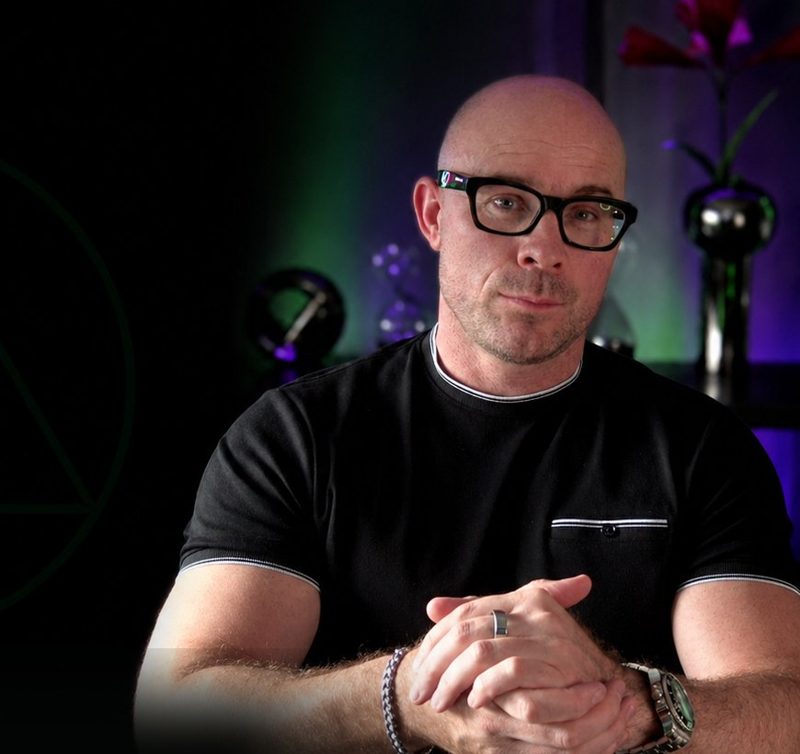
If you’ve tried to talk yourself out of this fear and it hasn’t worked, that isn’t a lack of willpower. A phobia is an alarm your mind learned, and logic alone rarely switches it off.
When a fear is less common, it can be harder to explain, so you may not have told many people about it. I work one to one over Zoom with people whose fears are holding them back, including rarer ones like this, and every plan starts with understanding what your fear is really about.
I’ve spent 17 years in clinical practice and helped more than 1,000 people with phobias. I hold a Postgraduate Certificate and a Postgraduate Diploma in Clinical Hypnotherapy, both with Distinction, and journalists and clients call me the Phobia Guru.
Common questions
When does worry about hair loss become a phobia?
Most people notice changes to their hair at some point and feel some concern. It becomes more of a problem when checking and worrying take up a lot of time or stop you going out or being photographed. A GP can look at any real hair loss, and support for the anxiety itself can help too.
How can you help?
I use hypnotherapy and NLP to change how your mind responds to the thing you fear, so the old alarm stops going off. Sessions are one to one over Zoom, and you get a recording of the hypnosis to listen to afterwards.
How many sessions will I need?
Many clients notice a real difference after one 90 minute session. If the fear goes back a long way, three sessions gives us room to make the change stick.
Further reading: NHS: Hair loss · NHS: Body dysmorphic disorder · NHS: Phobias
Ready to start?
A short call is the simplest next step. We’ll talk about your fear, what you’d like to feel instead, and whether I’m the right person to help.
- Take the free test at the top of this page to see how strong your fear is.
- Book a 30 minute call. Use code PHOBIA at checkout for half price: £24.50 instead of £49 ($29.50 outside the UK).
- Start your sessions over Zoom from wherever you live, or face to face in Hertfordshire.
See all session options and prices