
Fear of becoming quadriplegic (quadriplegiphobia)
En español: lee sobre este miedo en Fobias.org.
Quadriplegiphobia is a fear of becoming quadriplegic, meaning losing the use of all four limbs. It can lead someone to avoid sports, diving, riding or driving, or to dwell on the idea of a serious accident. Real numbness, weakness or tingling in the limbs should be checked with a GP rather than left to worry about.
Many people find that with the right help, the worry about losing movement eases and they can enjoy being active.
Use code PHOBIA at checkout for half price: £24.50 instead of £49. Outside the UK? $29.50.
About this phobia
The word is formed from quadriplegia, the medical term for paralysis of all four limbs, also called tetraplegia. It is a rare term that appears mainly on phobia lists. It overlaps with health anxiety and with fears about accidents and losing independence.
How it shows up
This fear is more than a passing thought about accidents. People with it may picture being unable to move in vivid detail, feel a jolt of panic at news about spinal injuries, or give up activities they used to enjoy. Some find themselves checking that their arms and legs feel normal, which can make harmless sensations seem alarming. Taking sensible safety steps is healthy, but here the worry starts to crowd out ordinary life.
Common triggers
- News stories about spinal injuries
- Contact sports such as rugby
- Diving or jumping into water
- Horse riding and cycling
- Long car rides
- Pins and needles in the limbs
- Hospital dramas on television
Where it shows up
- Swimming pools and beaches
- Sports clubs and gyms
- Busy roads and motorways
- Hospitals and rehab settings
- Lying awake at night
- Watching sport on television
Symptoms
In your body
- Racing heart
- Tingling that grows with attention
- Tight neck and back muscles
- Shallow breathing
- Feeling faint
In your mind
- Vivid pictures of being unable to move
- Fear of losing independence
- Treating small sensations as warning signs
- Endless what-if thinking
What you might do
- Giving up sports and hobbies
- Avoiding driving or being a passenger
- Testing limb movement over and over
- Searching symptoms online
What may cause it
Hardly anything has been written about this fear by name. It is often linked with health anxiety, and may begin after knowing someone with a spinal injury, a near miss, or a vivid story in the news. Paying close attention to the body can make normal tingling or stiffness feel threatening, which then feeds the fear. Dropping activities can feel protective but tends to keep the worry strong.
How it can affect your life
People may drop sport, travel and outdoor plans, which can affect fitness, friendships and mood. Some feel tense in cars or on public transport, which can make getting to work harder. Loved ones may also notice the constant checking and worry, which can put a strain on family life.
Related fears
- Health anxiety
- Fear of illness (nosophobia)
- Fear of accidents (dystychiphobia)
- Fear of becoming helpless
Things that can help day to day
- Limit how often you read injury stories online
- Keep gentle, everyday exercise such as walking in your week
- Notice when checking your body makes the worry worse
- Talk the fear through with someone you trust
When to get help
Any real numbness, weakness or loss of feeling should be checked by a GP, and sudden symptoms need urgent care through NHS 111 or 999. If checks are clear but the worry carries on, a GP can talk about therapy for health anxiety.
Explore more unusual fears in the rare phobias A to Z, or browse the common phobias.
About me
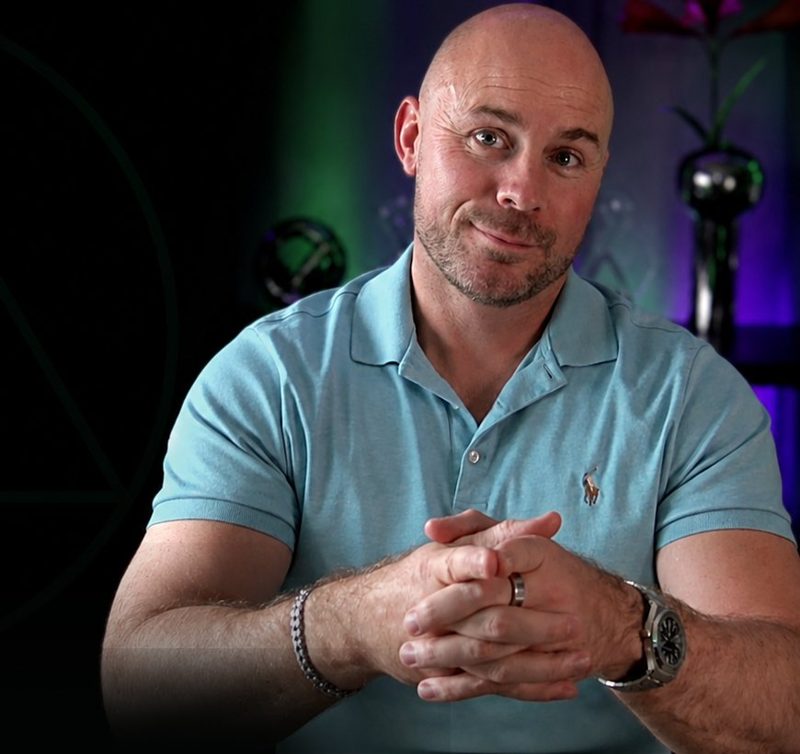
If you’ve tried to talk yourself out of this fear and it hasn’t worked, that isn’t a lack of willpower. A phobia is an alarm your mind learned, and logic alone rarely switches it off.
When a fear is less common, it can be harder to explain, so you may not have told many people about it. I work one to one over Zoom with people whose fears are holding them back, including rarer ones like this, and every plan starts with understanding what your fear is really about.
I’ve spent 17 years in clinical practice and helped more than 1,000 people with phobias. I hold a Postgraduate Certificate and a Postgraduate Diploma in Clinical Hypnotherapy, both with Distinction, and journalists and clients call me the Phobia Guru.
Common questions
Is it normal to worry about paralysis after hearing about an accident?
A short spell of worry after a frightening story is common. It becomes more of a problem when it stops you doing things you value or keeps coming back for weeks. Any physical symptoms in the limbs or neck are best checked by a GP.
How can you help?
I use hypnotherapy and NLP to change how your mind responds to the thing you fear, so the old alarm stops going off. Sessions are one to one over Zoom, and you get a recording of the hypnosis to listen to afterwards.
How many sessions will I need?
Many clients notice a real difference after one 90 minute session. If the fear goes back a long way, three sessions gives us room to make the change stick.
Further reading: NHS: Health anxiety · NHS: Phobias · Mind: Understanding phobias
Ready to start?
A short call is the simplest next step. We’ll talk about your fear, what you’d like to feel instead, and whether I’m the right person to help.
- Take the free test at the top of this page to see how strong your fear is.
- Book a 30 minute call. Use code PHOBIA at checkout for half price: £24.50 instead of £49 ($29.50 outside the UK).
- Start your sessions over Zoom from wherever you live, or face to face in Hertfordshire.
See all session options and prices