
Fear of bees (apiphobia)
En español: lee sobre este miedo en Fobias.org.
A fear of bees can show up in gardens, at picnics, near flowers or even when you hear a buzz. It often reaches wasps and other stinging insects too, and it can be helped.
Many people find that with the right help, they can sit in the garden or have a picnic without leaping up at every buzz.
Use code PHOBIA at checkout for half price: £24.50 instead of £49. Outside the UK? $29.50.
Understanding this fear
Apiphobia, also called melissophobia, is a strong fear of bees. Most people would step away from a bee, and that is sensible. With this phobia, a bee, a buzzing sound or even the idea of one can bring on panic, and it can stop you enjoying gardens, picnics and summer days. The fear often spreads to wasps, hornets and anything that buzzes or stings.
It sits within the wider group of insect phobias, which are among the more common animal fears. For some people the fear is mainly about the pain of a sting, while for others it is the buzz, the unpredictable flight or the worry of a bee landing on them. It is different from a real sting allergy, though people who have had a bad reaction understandably often develop the fear too.
Common triggers
- A buzzing sound close by
- A bee landing on you or your clothes
- Bees flying near your face or hair
- Flowering plants and lavender
- Sweet drinks and food outdoors
- Hives or swarms seen on TV
- Something brushing against your skin outside
- Warm, sunny days in spring and summer
Where it shows up
- Gardens and allotments
- Parks, picnics and barbecues
- Beer gardens and outdoor cafes
- School playing fields
- Countryside walks and farms
- Open windows and conservatories
Symptoms
In your body
- Sudden jump or startle at a buzz
- Racing heart and quick breathing
- Hot flush or sweating
- Trembling or shaky hands
- Feeling sick or a tight stomach
- Freezing on the spot or wanting to run
In your mind
- It is going to sting me
- I will have a terrible reaction
- Constant scanning for bees outdoors
- Feeling trapped when one comes indoors
- Embarrassment at reacting in front of others
What you might do
- Staying inside on sunny days
- Flapping, swatting or running when a bee appears
- Keeping windows shut all summer
- Avoiding outdoor events, gardens or meals
- Covering drinks or checking food constantly
What causes it
A painful sting, especially in childhood, is a common starting point, and so is seeing someone else stung or panicking. Children often pick up the fear from a parent who jumps or screams at bees. Our brains are primed to notice small creatures that can cause pain, and the sudden, unpredictable movement of a flying insect is hard for an anxious mind to ignore. People who have had a strong allergic reaction may develop the fear afterwards. Avoiding the outdoors or flapping at bees brings short term relief, but it teaches the brain that every bee is an emergency, so the fear keeps growing.
How it can affect your life
This fear can shrink summer down to staying indoors with the windows closed. It can get in the way of family days out, children’s sports, weddings and holidays. Parents may worry about passing it on, and children with the fear may struggle at playtime or on school trips. Panicked flapping can also make an actual sting more likely, which adds to the stress.
Things that can help day to day
- If a bee comes near, stay still or move slowly and calmly away
- Cover sweet drinks outdoors and use a straw
- Learn a little about bees from books or documentaries, from a distance
- Practise slow breathing so a buzz does not tip you into panic
- Look at pictures, then videos, building up at your own pace
When to get help
If you have had a severe reaction to a sting in the past, see your GP to talk about allergy testing and what to do, and call 999 straight away for swelling of the lips, tongue or throat or trouble breathing after a sting. If the fear is stopping you going outside, enjoying summer or doing things with your family, it is worth getting help with the fear itself.
How hypnosis can help with fear of bees
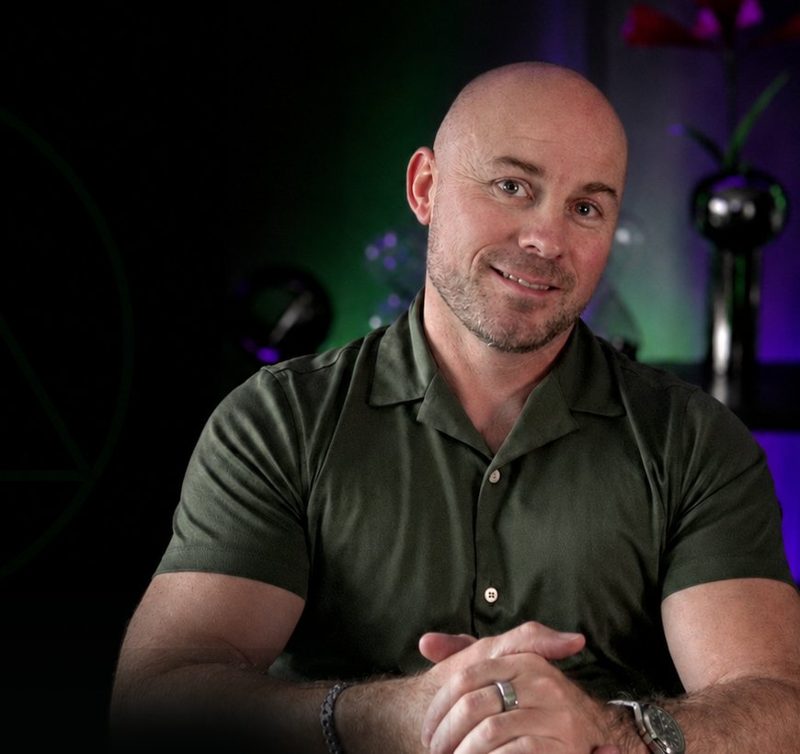
If you’ve tried to talk yourself out of this fear and it hasn’t worked, that isn’t a lack of willpower. A phobia is an alarm your mind learned, and logic alone rarely switches it off.
When I work with a fear of bees over Zoom, I first find out what sets it off most, whether that is the buzz, the flight or the thought of a sting. Often there is an early memory of being stung or seeing someone panic, and with hypnotherapy and NLP we can take the charge out of that memory. I then help you rehearse sitting in a garden or at a picnic while a bee goes about its business, staying calm and still. Many clients find they can enjoy being outdoors again without constantly scanning the air.
I’ve spent 17 years in clinical practice and helped more than 1,000 people with phobias. I hold a Postgraduate Certificate and a Postgraduate Diploma in Clinical Hypnotherapy, both with Distinction.
Common questions
Do bees sting for no reason?
Bees usually sting to defend themselves or their nest, often when they are trapped, squashed or swatted. Staying calm and moving slowly away tends to be the safest response.
Is fear of bees the same as a bee allergy?
No. An allergy is a physical reaction to venom, and a phobia is an anxiety response. They can go together, especially after a bad reaction. If you think you are allergic, speak to your GP.
How can I stop my child being scared of bees?
Children learn a lot from how adults react, so try to stay calm and model moving slowly away. Talk about how bees help flowers grow, and use picture books before real encounters. If the fear is severe, getting help early can stop it settling in.
Does it also cover wasps and hornets?
Often it does. Many people react to anything that buzzes or stings, not only bees. We would look at which insects set it off for you.
How can you help?
I use hypnotherapy and NLP to change how your mind responds to the thing you fear, so the old alarm stops going off. Sessions are one to one over Zoom, and you get a recording of the hypnosis to listen to afterwards.
How many sessions will I need?
Many clients notice a real difference after one 90 minute session. If the fear goes back a long way, three sessions gives us room to make the change stick.
Further reading: Healthline: Bee fear (melissophobia) · Cleveland Clinic: Entomophobia (fear of insects) · NHS: Insect bites and stings · NHS: Phobias
Ready to start?
A short call is the simplest next step. We’ll talk about your fear, what you’d like to feel instead, and whether I’m the right person to help.
- Take the free test at the top of this page to see how strong your fear is.
- Book a 30 minute call. Use code PHOBIA at checkout for half price: £24.50 instead of £49 ($29.50 outside the UK).
- Start your sessions over Zoom from wherever you live, or face to face in Hertfordshire.
See all session options and prices