
Fear of being beaten or criticised (rhabdophobia)
Rhabdophobia is listed as a fear of being beaten with a rod, and also as a fear of being harshly criticised. In everyday life it can look like flinching at raised voices, dreading feedback at work, or bracing for punishment that never comes. Where the fear grows out of past mistreatment, a GP or a specialist counsellor can offer support.
Many people find that with the right help, feedback and criticism become things they can hear calmly and learn from.
Use code PHOBIA at checkout for half price: £24.50 instead of £49. Outside the UK? $29.50.
About this phobia
The name comes from the Greek rhabdos, meaning rod or staff. It is a rare term found mainly on phobia lists, and the two meanings given for it are quite different. The criticism side overlaps with fear of rejection and social anxiety, while the physical side may connect with earlier frightening experiences.
How it shows up
Some people with this fear react most to the physical side, feeling sudden alarm at a raised hand, a stick or a quick movement nearby. Others react most to harsh words, feeling a rush of shame and panic when they sense criticism coming. Both can lead to keeping quiet, staying small and working hard to avoid any mistake. Nobody enjoys criticism, but here the body can respond as if real danger is close.
Common triggers
- Raised voices or shouting
- Sudden hand movements nearby
- Being called into a meeting
- Appraisals and feedback
- A stern look or sharp tone
- Sticks, belts or canes
- Being told off in front of others
Where it shows up
- Work, especially with strict managers
- School and training settings
- Family gatherings
- Arguments at home
- Public places when someone is angry
- Sports teams with harsh coaches
Symptoms
In your body
- Flinching or freezing
- Racing heart
- Sweating
- Shaking
- Tight chest or stomach
In your mind
- Expecting to be blamed
- Harsh self-criticism
- Replaying comments for days
- Feeling small or ashamed
What you might do
- Over-apologising
- Avoiding feedback
- Working late to rule out errors
- Keeping away from any conflict
What may cause it
Where the fear has a physical side, it often links back to times when someone was hit, threatened or harshly punished, often in childhood. The criticism side can grow from a home, school or workplace where mistakes were met with anger or shame. Little is written about the term itself, but fear responses shaped by earlier harsh treatment are well known. Avoiding feedback and conflict can bring short relief but keeps the fear in place.
How it can affect your life
It can make work stressful, hold people back from promotion and make close relationships tense. Some people feel on edge much of the time, waiting for something to go wrong. The effort of trying never to make a mistake can also be exhausting and leave little room for rest.
Related fears
- Fear of criticism and rejection
- Social anxiety
- Fear of punishment (poinephobia)
- Fear of failure (atychiphobia)
Things that can help day to day
- Write down a piece of fair feedback and what it really said
- Notice the difference between a comment on your work and an attack on you
- Use slow, calm breathing before meetings or difficult talks
- Spend more time with people who treat you kindly and fairly
When to get help
If the fear comes from past mistreatment, a GP or a specialist counsellor can help, and you do not have to talk about everything at once. If you are being harmed now, contact the police or a support helpline straight away.
Explore more unusual fears in the rare phobias A to Z, or browse the common phobias.
About me
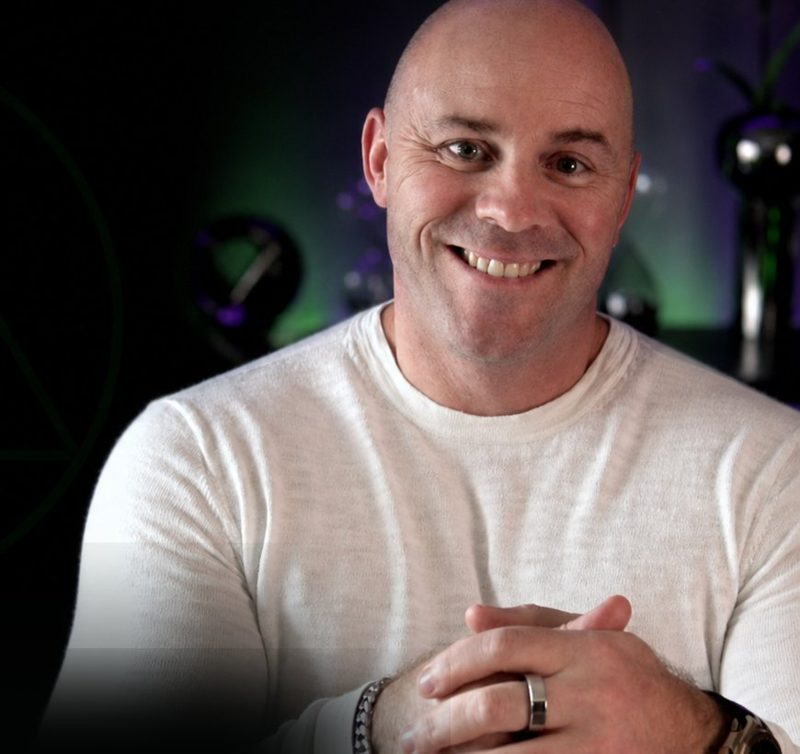
If you’ve tried to talk yourself out of this fear and it hasn’t worked, that isn’t a lack of willpower. A phobia is an alarm your mind learned, and logic alone rarely switches it off.
When a fear is less common, it can be harder to explain, so you may not have told many people about it. I work one to one over Zoom with people whose fears are holding them back, including rarer ones like this, and every plan starts with understanding what your fear is really about.
I’ve spent 17 years in clinical practice and helped more than 1,000 people with phobias. I hold a Postgraduate Certificate and a Postgraduate Diploma in Clinical Hypnotherapy, both with Distinction, and journalists and clients call me the Phobia Guru.
Common questions
Is rhabdophobia linked to how someone was treated as a child?
It can be for some people, though not always. A fear of punishment or criticism sometimes starts with harsh experiences early on, and sometimes builds later through work or relationships. If past experiences still feel raw, speaking to a GP or a specialist counsellor is a gentle place to start.
How can you help?
I use hypnotherapy and NLP to change how your mind responds to the thing you fear, so the old alarm stops going off. Sessions are one to one over Zoom, and you get a recording of the hypnosis to listen to afterwards.
How many sessions will I need?
Many clients notice a real difference after one 90 minute session. If the fear goes back a long way, three sessions gives us room to make the change stick.
Further reading: Cleveland Clinic: Atychiphobia (fear of failure) · NHS: Social anxiety · Mind: Understanding phobias
Ready to start?
A short call is the simplest next step. We’ll talk about your fear, what you’d like to feel instead, and whether I’m the right person to help.
- Take the free test at the top of this page to see how strong your fear is.
- Book a 30 minute call. Use code PHOBIA at checkout for half price: £24.50 instead of £49 ($29.50 outside the UK).
- Start your sessions over Zoom from wherever you live, or face to face in Hertfordshire.
See all session options and prices