
Fear of being buried alive (taphophobia)
En español: lee sobre este miedo en Fobias.org.
A fear of being buried alive can show up around funerals, graves, cemeteries or even a tight tunnel. It can be upsetting to talk about, and it can be helped.
Many people find that with the right help, funerals, tunnels and quiet moments stop setting off those frightening thoughts.
Use code PHOBIA at checkout for half price: £24.50 instead of £49. Outside the UK? $29.50.
Understanding this fear
Taphophobia is a fear of being buried alive, often tied to a worry about being wrongly declared dead. The name comes from the Greek words for grave and fear. Many people find the idea unpleasant in a film or story and then move on with their day. With taphophobia the thought keeps coming back, it can bring on panic, and it can colour how you feel about funerals, graves, sleep or being shut in.
In the past this fear was widely talked about. In the eighteenth and nineteenth centuries some wealthy people paid for safety coffins fitted with bells, glass lids or breathing pipes, and writers such as Edgar Allan Poe turned the fear into stories. Today it often links with a fear of enclosed spaces, of not being able to breathe, or with wider worries about death and losing control. Others fear graves and cemeteries without any trouble in small rooms, which is why it helps to look at what your own fear is made of.
Common triggers
- Funerals and burials
- Seeing a coffin lowered into the ground
- Films or stories about premature burial
- Thinking about your own death or funeral wishes
- Tight, dark spaces with no easy way out
- Bedding pulled over your face
- News stories about mistakes in hospitals
- Reports of people trapped in collapsed buildings or caves
- The thought of a general anaesthetic
Where it shows up
- Cemeteries and churchyards
- Funerals and crematoria
- Tunnels and caves
- Lifts and small windowless rooms
- MRI scanners
- Bed at night in a dark room
- Basements and cellars
Symptoms
In your body
- Tight chest and a feeling of not getting enough air
- Racing heart
- Hot, clammy skin
- An urge to loosen clothing or get fresh air
- Dizziness or light-headedness
- Trouble falling asleep
In your mind
- What if they think I am dead and I am not
- I will wake up and not be able to get out
- Picturing the lid closing again and again
- Strong dread whenever funeral plans come up
- Feeling silly for worrying, yet unable to stop
What you might do
- Avoiding funerals or leaving before the burial
- Taking long routes to avoid cemeteries
- Sleeping with a light on or the door open
- Writing detailed instructions to make sure you are not buried
- Avoiding films, books or conversations about death
- Checking you can always get out of a room
What causes it
No single thing causes taphophobia. For some it starts with a film, a ghost story or a news report heard at a young age, which leaves a vivid picture the mind keeps replaying. For others it grows out of a wider fear of enclosed spaces or of not being able to breathe, and the grave becomes the most extreme version of that fear. A death in the family, a funeral that felt overwhelming, or general worry about health and dying can all add weight. Like other phobias, it can run in families, partly through what we learn from watching the people around us. Avoidance then keeps it going, because never attending a funeral or walking past a grave means the alarm is never given the chance to settle.
How it can affect your life
This fear can make it very hard to say goodbye to someone you love, as funerals and burials may feel impossible to attend. That can stir up guilt and tension in families when you cannot be there. Some people find it creeps into the night, making it harder to relax in a dark bedroom or drift off to sleep. Medical scans in enclosed machines can feel daunting, and planning your own end of life wishes may be something you put off for years.
Things that can help day to day
- Notice the what if thought and label it as a fear, not a fact
- Practise slow breathing, letting each breath out last longer than the breath in
- Before a funeral, plan where you will sit and when you can step outside
- Talk about the fear with someone you trust rather than keeping it secret
- Cut back on horror films and stories that feed the picture
When to get help
It is worth getting help if the fear is stopping you attending funerals, disturbing your sleep, or taking up a lot of your thinking time. If worries about death or illness are affecting daily life, or your mood is low, please speak to your GP. If you are struggling and need to talk to someone straight away, Samaritans are there on 116 123.
How I can help
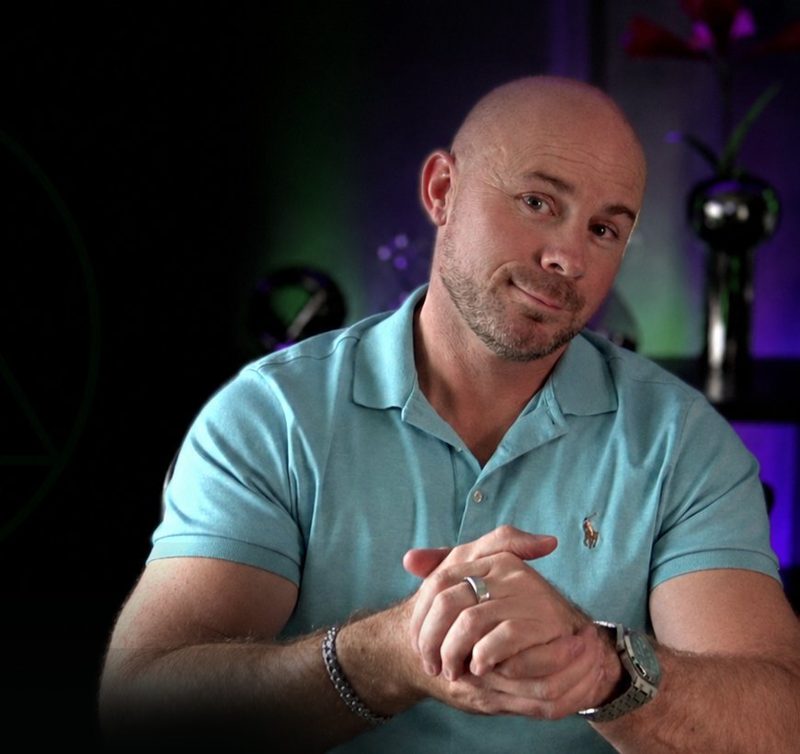
If you’ve tried to talk yourself out of this fear and it hasn’t worked, that isn’t a lack of willpower. A phobia is an alarm your mind learned, and logic alone rarely switches it off.
When I work with this fear, I first want to understand what it is really about for you. For some people it is the feeling of being trapped, for others it is the fear of not being heard, and for others it is grief or a fear of death that has taken a very specific shape. Over Zoom, I use hypnotherapy and NLP to help your mind put the old pictures away and to rehearse calm, ordinary moments, like standing at a graveside or lying in a dark bedroom, while you feel settled. Many clients find the thought loses its grip and becomes something they can think about without the old jolt of panic.
I’ve spent 17 years in clinical practice and helped more than 1,000 people with phobias. I hold a Postgraduate Certificate and a Postgraduate Diploma in Clinical Hypnotherapy, both with Distinction.
Common questions
Is a fear of being buried alive the same as claustrophobia?
They often overlap, because both involve a feeling of being trapped. But some people fear graves and cemeteries without any problem in small rooms, so it is worth looking at your own fear rather than assuming.
Why was the fear of being buried alive so common in the past?
Before modern medicine it was harder to be certain someone had died, and stories of mistaken burials spread widely. Some people even bought coffins with bells or air pipes. As trust in doctors grew, the fear became far less common.
Can I go to a funeral if I have this fear?
Many people with this fear do attend, especially with a plan, such as sitting near an exit and having someone with them. If it feels too much right now, that is something the right help can change over time.
Is this linked to claustrophobia?
Often, yes. A fear of being trapped in small spaces can feed into it, but some people fear graves and cemeteries without any fear of enclosed spaces. We look at what your own fear is made of.
How can you help?
I use hypnotherapy and NLP to change how your mind responds to the thing you fear, so the old alarm stops going off. Sessions are one to one over Zoom, and you get a recording of the hypnosis to listen to afterwards.
How many sessions will I need?
Many clients notice a real difference after one 90 minute session. If the fear goes back a long way, three sessions gives us room to make the change stick.
Further reading: Wikipedia: Taphophobia · Cleveland Clinic: Thanatophobia, fear of death · NHS: Phobias · Mind: About phobias
Ready to start?
A short call is the simplest next step. We’ll talk about your fear, what you’d like to feel instead, and whether I’m the right person to help.
- Take the free test at the top of this page to see how strong your fear is.
- Book a 30 minute call. Use code PHOBIA at checkout for half price: £24.50 instead of £49 ($29.50 outside the UK).
- Start your sessions over Zoom from wherever you live, or face to face in Hertfordshire.
See all session options and prices