
Fear of being contagious (tapinophobia)
En español: lee sobre este miedo en Fobias.org.
Tapinophobia is a fear of being contagious, meaning a worry about passing an illness on to other people. It might lead someone to keep away from friends and family, wash repeatedly, or avoid hugging loved ones in case they spread something. If you are worried about a real illness, a GP can check your symptoms and advise you.
Many people find that with the right help, they can take sensible care when unwell and still enjoy being close to the people they love.
Use code PHOBIA at checkout for half price: £24.50 instead of £49. Outside the UK? $29.50.
About this phobia
This is a rarely reported term that appears mostly on lists of phobias, with little clinical writing about it under this name. The worry itself is close to well-known patterns in health anxiety and in contamination fears linked to obsessive compulsive disorder. It differs from a fear of catching germs, which is usually called mysophobia or germophobia.
How it shows up
Taking care not to pass on a cold or stomach bug is simply considerate. With tapinophobia that care turns into constant fear, and a person may feel sure they are carrying something harmful even when they feel well. The worry often centres on the most vulnerable people nearby, such as babies, older relatives or anyone who is already unwell. What sets it apart from ordinary caution is the guilt and dread that come with it, and how far people go just to feel safe.
Common triggers
- A sniffle, cough or sore throat
- Being near a baby or older relative
- News about outbreaks
- Someone nearby falling ill
- Hugs, kisses and shared food
- Cooking for others
Where it shows up
- Family visits
- Hospitals and care homes
- Workplaces and schools
- Busy public transport
- Shared kitchens
Symptoms
In your body
- Tension and restlessness
- Hot flushes or a sick feeling
- Sore, dry hands from washing
- Fast heartbeat
In your mind
- Blaming yourself in advance if others get ill
- Intrusive images of harming someone by accident
- Needing to be certain you are not infectious
- Replaying contact to check what you touched
What you might do
- Washing or cleaning repeatedly
- Avoiding physical contact
- Cancelling plans at the slightest symptom
- Asking others whether they feel ill
What may cause it
Research on tapinophobia as a separate term is very thin, but the pattern is well recognised in health anxiety and in obsessive compulsive disorder, where fears of causing harm by accident are common. A strong sense of responsibility, serious illness in the family or a frightening outbreak can all set it off. Washing, avoiding and checking feel protective, yet they also teach the mind that the danger was real. Over time that keeps the fear alive and can make it spread to new situations.
How it can affect your life
People with this fear can become cut off from friends and family, miss work or social events, and lose the comfort of physical closeness. The cleaning and checking may take up hours each day and leave the skin sore.
Related fears
- Fear of germs (mysophobia)
- Fear of illness (nosophobia)
- Health anxiety
- Contamination worries in OCD
Things that can help day to day
- Follow ordinary hygiene advice, then try to stop there
- Notice the urge to check without acting on it straight away
- Gently cut back on asking for reassurance
- Share the worry with someone you trust
When to get help
If you have symptoms of an illness, a GP or pharmacist can advise you. If washing, checking or avoiding is taking up a lot of time or causing distress, talk to your GP, as good help for OCD and health anxiety is available.
Explore more unusual fears in the rare phobias A to Z, or browse the common phobias.
About me
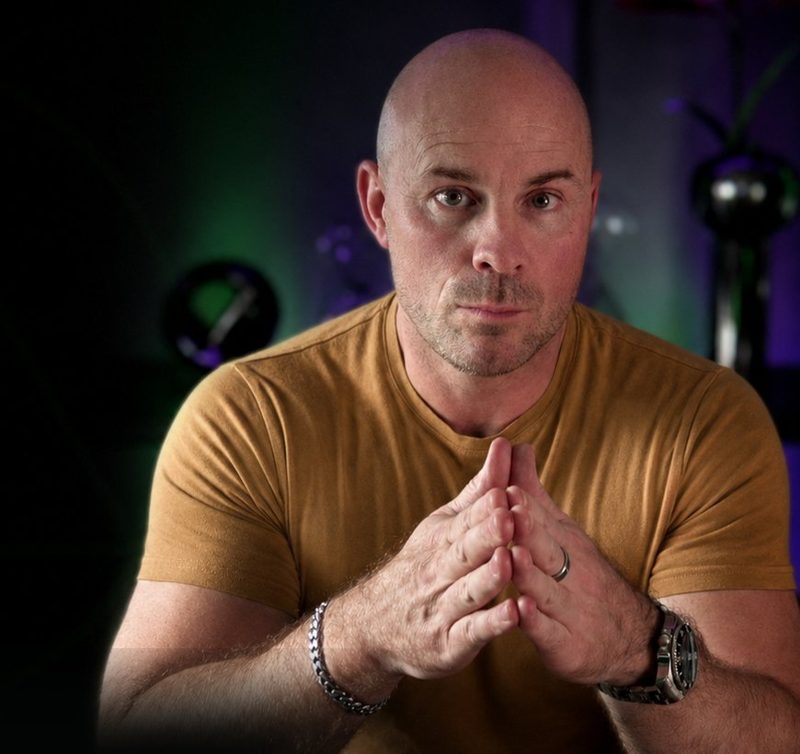
If you’ve tried to talk yourself out of this fear and it hasn’t worked, that isn’t a lack of willpower. A phobia is an alarm your mind learned, and logic alone rarely switches it off.
When a fear is less common, it can be harder to explain, so you may not have told many people about it. I work one to one over Zoom with people whose fears are holding them back, including rarer ones like this, and every plan starts with understanding what your fear is really about.
I’ve spent 17 years in clinical practice and helped more than 1,000 people with phobias. I hold a Postgraduate Certificate and a Postgraduate Diploma in Clinical Hypnotherapy, both with Distinction, and journalists and clients call me the Phobia Guru.
Common questions
Is fear of being contagious a sign of OCD?
It can be one part of obsessive compulsive disorder, but it can also appear with general health anxiety or after a period of illness. Only a qualified professional can say which applies, so if the fear is taking over your day, talking to a GP is a good place to start.
How can you help?
I use hypnotherapy and NLP to change how your mind responds to the thing you fear, so the old alarm stops going off. Sessions are one to one over Zoom, and you get a recording of the hypnosis to listen to afterwards.
How many sessions will I need?
Many clients notice a real difference after one 90 minute session. If the fear goes back a long way, three sessions gives us room to make the change stick.
Further reading: NHS: Health anxiety · Cleveland Clinic: Mysophobia (germophobia) · NHS: Obsessive compulsive disorder
Ready to start?
A short call is the simplest next step. We’ll talk about your fear, what you’d like to feel instead, and whether I’m the right person to help.
- Take the free test at the top of this page to see how strong your fear is.
- Book a 30 minute call. Use code PHOBIA at checkout for half price: £24.50 instead of £49 ($29.50 outside the UK).
- Start your sessions over Zoom from wherever you live, or face to face in Hertfordshire.
See all session options and prices