
Fear of being forgotten or ignored (athazagoraphobia)
En español: lee sobre este miedo en Fobias.org.
A fear of being forgotten or ignored can show up in friendships, relationships, at work or when someone does not reply. It can also mean a fear of forgetting people or things, and it can be helped.
Many people find that with the right help, a late reply or a quiet day stops feeling like proof they don’t matter.
Use code PHOBIA at checkout for half price: £24.50 instead of £49. Outside the UK? $29.50.
Understanding this fear
Athazagoraphobia is a fear of being forgotten, ignored or overlooked by people who matter to you. It can also mean a fear of forgetting people or important things yourself. Everyone feels a pang when a message goes unanswered. With this fear, that pang becomes a wave of panic or dread, and it can colour how you see every friendship and relationship.
It is not a formal diagnosis on its own and there is little research on it, though it is grouped with the specific phobias. It often links to worries about abandonment, loneliness and low self worth. For some people it is tied to dementia, either from caring for a loved one who no longer recognises them or from worrying about losing their own memory, which some writers call dementia worry.
Common triggers
- A message read but not answered
- Not being invited to a get together
- Friends making plans without you
- Someone forgetting your birthday
- Being talked over in a meeting
- A partner seeming distracted
- A loved one with dementia not recognising you
- Forgetting a name or appointment yourself
Where it shows up
- Group chats and social media
- Workplaces and team meetings
- Family gatherings and celebrations
- Care homes and hospital visits
- Parties and nights out
- Home alone in the evening
Symptoms
In your body
- Tight chest or a sinking feeling in the stomach
- Racing heart while waiting for a reply
- Restlessness and trouble sitting still
- Muscle tension in the neck and shoulders
- Poor sleep and lying awake replaying events
- Nausea or loss of appetite
In your mind
- They have forgotten about me
- I do not matter to anyone
- If I disappeared nobody would notice
- Constant watching for signs of being left out
- Fear that you are losing your memory
What you might do
- Checking your phone over and over
- Sending follow up messages or seeking reassurance
- Going along with things to avoid being left out
- Pulling away first so you cannot be forgotten
- Writing everything down or testing your memory
What causes it
This fear often grows from experiences of being left, overlooked or not noticed, especially in childhood, such as being left alone, a parent leaving or a lot of moving around. Loss of a loved one can also play a part. Watching someone you love develop dementia can make the fear of forgetting, or being forgotten, very real. A sensitive or anxious temperament and a family history of anxiety may add to it. Checking and reassurance seeking bring short term relief, but they keep the mind on high alert, so the fear tends to deepen.
How it can affect your life
This fear can put real strain on relationships, because constant checking or needing reassurance can tire both you and the people you love. Some people go the other way and withdraw, which then leaves them more isolated. At work it can make you overly sensitive to being left off an email or a meeting. It can also bring low mood, poor sleep and trouble concentrating.
Things that can help day to day
- Notice the thought they have forgotten me and list other explanations
- Set phone free times instead of checking for replies
- Keep a short note of moments when people did think of you
- Reach out to one person a week for a chat, not for reassurance
- Use slow breathing when the panic rises while waiting
When to get help
If the fear is affecting your relationships, sleep or work, or you feel low most of the time, it is worth talking to your GP. If you are worried about your own memory, a GP is the right first step to check it out properly. If you feel very low, you can also talk to Samaritans any time on 116 123.
How I can help
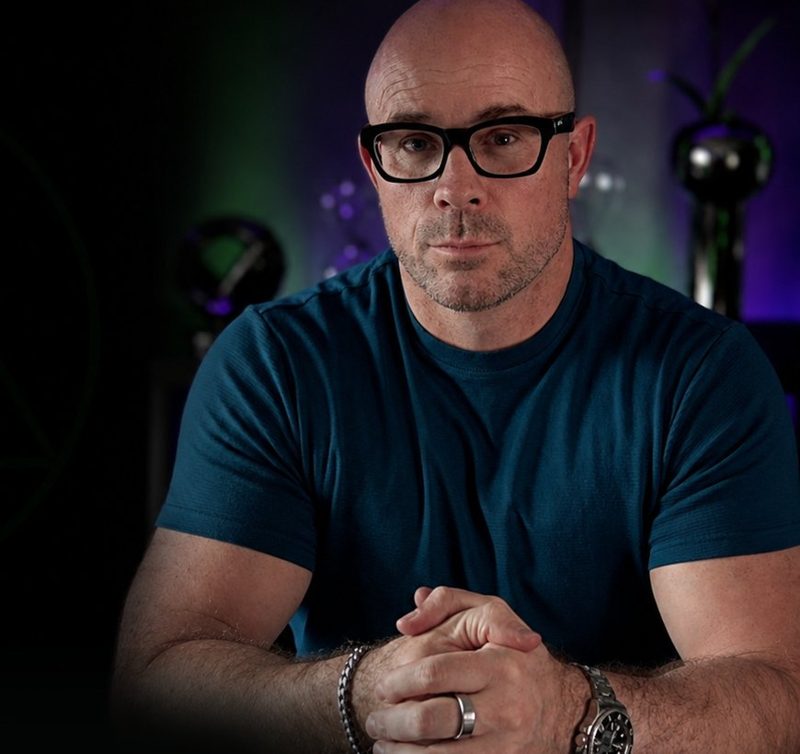
If you’ve tried to talk yourself out of this fear and it hasn’t worked, that isn’t a lack of willpower. A phobia is an alarm your mind learned, and logic alone rarely switches it off.
When I work with a fear of being forgotten over Zoom, I look for the moments that first taught you that you might be left or overlooked, because the fear usually makes sense once we find them. Using hypnotherapy and NLP, we can change how those old moments feel, so they stop driving how you react today. I also help you build a steadier sense of your own worth that does not depend on the next reply. Many clients find they check less, worry less and enjoy their relationships more.
I’ve spent 17 years in clinical practice and helped more than 1,000 people with phobias. I hold a Postgraduate Certificate and a Postgraduate Diploma in Clinical Hypnotherapy, both with Distinction.
Common questions
Is athazagoraphobia a real phobia?
It is not a separate diagnosis in the main manuals, but the anxiety is real and can be strong. Professionals would usually treat it as a specific phobia or as part of wider anxiety, and it responds to help.
Is fear of being forgotten linked to dementia?
It can be. Some people develop it while caring for someone with dementia, or from worry about losing their own memory. If you are concerned about memory changes, see your GP for a proper check.
Why do I panic when someone does not reply to my messages?
An unanswered message is ambiguous, and an anxious mind fills the gap with the worst story. If you have been let down or overlooked before, the brain is primed to read silence as rejection.
Does this fear mean I am needy?
No. It usually comes from a deep wish to matter to people, and often from past experiences of being overlooked. It is understandable, and it can ease.
How can you help?
I use hypnotherapy and NLP to change how your mind responds to the thing you fear, so the old alarm stops going off. Sessions are one to one over Zoom, and you get a recording of the hypnosis to listen to afterwards.
How many sessions will I need?
Many clients notice a real difference after one 90 minute session. If the fear goes back a long way, three sessions gives us room to make the change stick.
Further reading: Healthline: Athazagoraphobia · Mentalhealth.com: Athazagoraphobia · Mind: About loneliness
Ready to start?
A short call is the simplest next step. We’ll talk about your fear, what you’d like to feel instead, and whether I’m the right person to help.
- Take the free test at the top of this page to see how strong your fear is.
- Book a 30 minute call. Use code PHOBIA at checkout for half price: £24.50 instead of £49 ($29.50 outside the UK).
- Start your sessions over Zoom from wherever you live, or face to face in Hertfordshire.
See all session options and prices