
Fear of being laughed at (gelotophobia)
En español: lee sobre este miedo en Fobias.org.
A fear of being laughed at can show up at work, at school, in social groups or any time you feel on show. Even friendly laughter can feel like it is aimed at you, and that is exhausting. It can be helped.
Many people find that with the right help, laughter in a room stops feeling aimed at them, and they can relax and join in.
Use code PHOBIA at checkout for half price: £24.50 instead of £49. Outside the UK? $29.50.
Understanding this fear
Gelotophobia is a strong fear of being laughed at. People with it tend to scan faces and conversations for signs of mockery, and even friendly laughter or a warm smile can feel like an attack. Most of us dislike being made fun of, but this goes further. The fear is constant, it comes with a deep sense of looking ridiculous, and it shapes how you act around others.
The idea was first described by a German psychotherapist, Michael Titze, who noticed that some patients froze and moved stiffly whenever they felt laughed at. Since then researchers have measured it in samples from dozens of countries, and it seems to sit on a scale in the general population, from barely there to very strong. It is closely related to social anxiety, with the fear of ridicule at its heart. It often grows out of being teased, mocked or bullied when young, and it tends to go hand in hand with shyness and low self esteem.
Common triggers
- Laughter from a group you have just walked past
- Friends sharing a joke you did not hear
- Being teased, even playfully
- Speaking up in a meeting or class
- Making a small slip in front of others
- Photos or videos of you being shared
- Group chats where the tone is unclear
- Dancing, singing or performing
- Trying something new in public
Where it shows up
- Offices, staff rooms and meetings
- School corridors and classrooms
- Pubs, parties and social gatherings
- Gyms and changing rooms
- Dance floors and karaoke nights
- Social media and messaging groups
- Buses and trains when people nearby laugh
Symptoms
In your body
- Hot face or blushing
- Stiff, wooden posture and movements
- Tension headaches
- Trembling hands or voice
- Light headedness or dizziness
- Poor sleep after a social event
In your mind
- Certainty that the laughter is about you
- Feeling ridiculous or that something is wrong with you
- Replaying moments when you think you looked silly
- Trouble telling playful teasing from real mockery
- Shame that lingers long after the event
What you might do
- Avoiding parties, groups and team events
- Staying quiet so you cannot say anything silly
- Checking your appearance again and again
- Asking friends whether people were laughing at you
- Holding back your own laughter
- Leaving situations early
What causes it
Researchers link this fear most strongly to repeated experiences of being ridiculed or not taken seriously in childhood and the teenage years, including bullying and online teasing. For some adults a single, very humiliating moment can be enough to start it. Early family life may play a part too, if a child did not feel valued or safe to be themselves. The mind then learns to treat laughter as a warning sign and starts scanning for it everywhere. Avoiding social situations and staying on guard bring short term relief, but they stop you noticing all the times laughter was friendly or had nothing to do with you.
How it can affect your life
Living on alert for mockery is tiring. People may turn down social plans, avoid speaking up at work or in class, and come across as distant or humourless when inside they simply feel tense. Friendships and dating can suffer, and some people underrate their own abilities. It can also make it hard to relax into humour, which is one of the main ways people bond.
Things that can help day to day
- When you think people are laughing at you, list other possible reasons for the laughter
- Turn your attention outwards onto the conversation instead of watching yourself
- Spend time with one or two trusted people before larger groups
- Use slow breathing to settle a hot face or racing heart
- Note down the times laughter turned out to be friendly or unrelated
When to get help
If the fear is stopping you from working, studying, making friends or going out, it is worth talking to someone. Your GP is a good first port of call if anxiety is affecting your daily life, and they can tell you about talking therapies. If you are being bullied at school or work, please also tell someone in charge so it can be dealt with.
How I can help
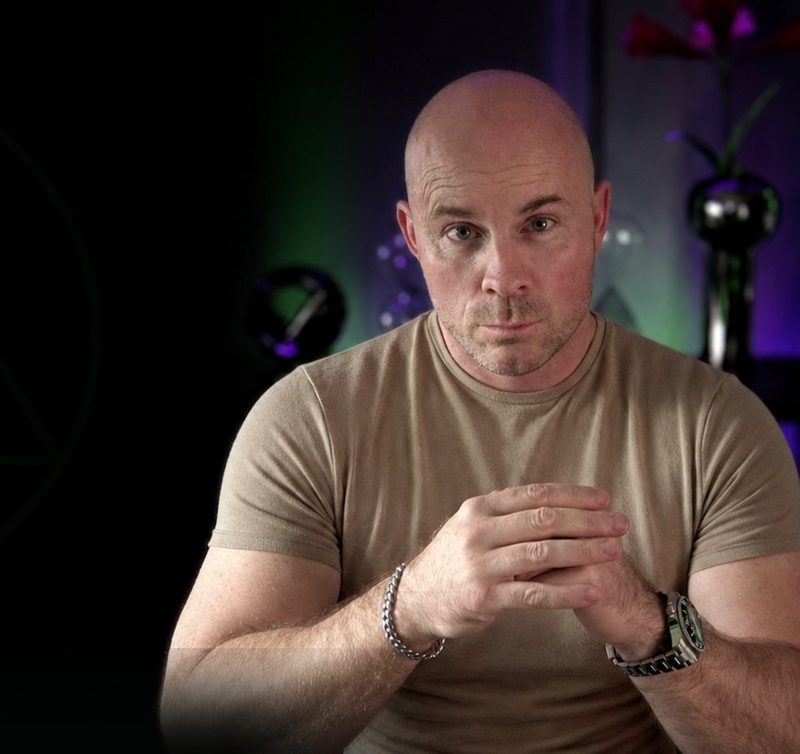
If you’ve tried to talk yourself out of this fear and it hasn’t worked, that isn’t a lack of willpower. A phobia is an alarm your mind learned, and logic alone rarely switches it off.
When I help someone with a fear of being laughed at, I start by finding the moments that taught your mind to stay on guard, as they are often older than you realise. Using hypnotherapy and NLP over Zoom, we can take the sting out of those memories so they stop setting off the alarm. I also help you rehearse being in groups while feeling relaxed and at ease, so your mind starts to read laughter as ordinary rather than a threat. Many clients find they can stop scanning the room and begin to enjoy people again.
I’ve spent 17 years in clinical practice and helped more than 1,000 people with phobias. I hold a Postgraduate Certificate and a Postgraduate Diploma in Clinical Hypnotherapy, both with Distinction.
Common questions
Is gelotophobia the same as social anxiety?
They overlap a lot, and many people have both. Social anxiety is a broad fear of being judged, while gelotophobia centres on the belief that you look ridiculous and will be laughed at.
Can a fear of being laughed at start in adulthood?
Yes. It often begins with teasing in childhood, but a single very humiliating experience as an adult, such as being mocked at work, can be enough to set it off.
Why does friendly teasing feel so painful?
People with this fear often find it hard to tell playful teasing from mockery, so the brain plays it safe and treats both as a threat. With help, it becomes easier to hear the warmth in other people’s laughter.
Why do I think people are laughing at me?
If you were teased or humiliated in the past, your mind can learn to watch for it everywhere. Friendly laughter then gets read as a threat. This is a learned habit of the mind, and learned habits can be changed.
How can you help?
I use hypnotherapy and NLP to change how your mind responds to the thing you fear, so the old alarm stops going off. Sessions are one to one over Zoom, and you get a recording of the hypnosis to listen to afterwards.
How many sessions will I need?
Many clients notice a real difference after one 90 minute session. If the fear goes back a long way, three sessions gives us room to make the change stick.
Further reading: Ruch and Proyer (2008): The fear of being laughed at · NHS: Social anxiety · Wikipedia: Gelotophobia
Ready to start?
A short call is the simplest next step. We’ll talk about your fear, what you’d like to feel instead, and whether I’m the right person to help.
- Take the free test at the top of this page to see how strong your fear is.
- Book a 30 minute call. Use code PHOBIA at checkout for half price: £24.50 instead of £49 ($29.50 outside the UK).
- Start your sessions over Zoom from wherever you live, or face to face in Hertfordshire.
See all session options and prices