
Fear of being poisoned (toxiphobia)
En español: lee sobre este miedo en Fobias.org.
A fear of being poisoned can show up with food, drink, cleaning products or chemicals around the home. It can make eating out and cooking stressful, and it can be helped.
Many people find that with the right help, cooking, eating out and using cleaning products feel ordinary again.
Use code PHOBIA at checkout for half price: £24.50 instead of £49. Outside the UK? $29.50.
Understanding this fear
Toxiphobia is a strong fear of being poisoned. It can focus on food going off, chemicals in cleaning products, medicines, or the worry that something you eat or drink has been tampered with. Normal care, such as checking dates or storing bleach safely, is sensible, but with this fear the worry is constant and the checking never quite feels enough. If you are eating or drinking much less because of this fear, or it feels like more than worry, please speak to your GP first.
There are no reliable figures for how common this fear is, partly because people often keep it to themselves. It can start after a bout of food poisoning or an allergic reaction, or after seeing someone close to you become ill. It often overlaps with other worries, such as fears about germs and contamination, fears of being sick, or worries about health in general. For some people the fear is about accidentally poisoning someone else, such as a child or partner, rather than themselves.
Common triggers
- Food near or past its use by date
- Meals cooked by other people
- Unfamiliar restaurants and takeaways
- Cleaning products, sprays and garden chemicals
- Odd smells or tastes in food or drink
- Damaged or opened packaging
- News stories about food recalls or contamination
- Starting a new medicine
- Drinks left unattended
Where it shows up
- Restaurants, cafes and takeaways
- Friends’ homes and family meals
- The kitchen when cooking or cleaning
- Supermarkets and food shops
- Work canteens and shared fridges
- Pubs, bars and parties
- Holidays abroad with unfamiliar food
Symptoms
In your body
- Churning stomach or nausea
- Racing heart and quick breathing
- Tight throat when trying to eat or drink
- Sweating or feeling shaky
- Appetite disappearing when anxious
- Panic attacks around food or chemicals
In your mind
- This tastes wrong, it might be off
- What if someone has put something in it
- I might have left bleach on the plates
- Nagging doubt even after checking
- Picturing becoming seriously ill
- Guilt or fear about harming someone else by accident
What you might do
- Checking dates, seals and labels again and again
- Only eating food you have prepared yourself
- Turning down meals out or invitations
- Washing food, plates or hands many times
- Avoiding cleaning products altogether
- Asking others for reassurance that food is safe
What causes it
For many people the fear began with a real experience, such as a bad bout of food poisoning, an allergic reaction or seeing someone else become very unwell. Others grew up with a parent who was very anxious about germs, dates or chemicals, and picked up the same alarm. Frightening news stories about contamination and toxins can add fuel, and a generally anxious temperament or a family history of anxiety can make someone more likely to develop it. The fear is kept going by checking and avoiding, because each check brings brief relief but leaves a nagging doubt behind, which leads to more checking.
How it can affect your life
This fear can make shared meals, eating out and travel stressful, and it can strain relationships when friends or family feel their cooking is not trusted. Time spent checking, washing and reading labels can eat into the day. Some people avoid useful medicines or cleaning products altogether. When the fear starts to affect how much someone eats or drinks, it can begin to affect health, which is why a GP should be involved early.
Things that can help day to day
- Learn the basic food safety guidance once, then agree with yourself to check one time and stop
- Remind yourself that a feeling of doubt is not proof of danger
- Before meals out or using cleaning products, take a few slow, steady breaths
- Take small steps, such as letting a trusted friend make you a drink, and notice the anxiety rise and fall
- Gently cut down on asking others for reassurance, as it tends to feed the fear over time
When to get help
Please speak to your GP if you are eating or drinking much less, losing weight, avoiding medicines you need, or if checking and washing are taking up a lot of your day. If the fear is mainly about food and your eating has changed, Beat, the UK eating disorder charity, also offers support. If you strongly believe someone is trying to harm you, that is worth talking through with your GP too, who can help you make sense of what is going on.
How I can help
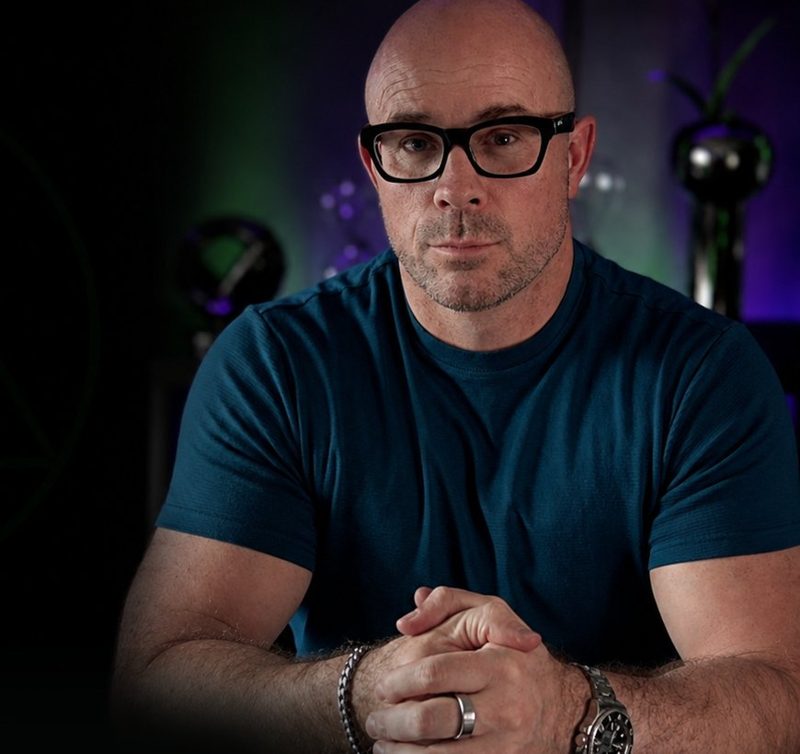
If you’ve tried to talk yourself out of this fear and it hasn’t worked, that isn’t a lack of willpower. A phobia is an alarm your mind learned, and logic alone rarely switches it off.
For a fear of being poisoned, I begin by gently exploring where the doubt comes from, whether that is an old bout of illness, a worry about harming others or a deeper need to feel safe and in control. Using hypnotherapy and NLP over Zoom, we let your mind rehearse ordinary moments calmly, such as eating a meal someone else has cooked or wiping a surface with a spray, without the usual rush of doubt. This helps quieten the urge that keeps pulling you back to check. Many clients find that food and everyday products start to feel ordinary again, and I always work alongside any advice from your GP.
I’ve spent 17 years in clinical practice and helped more than 1,000 people with phobias. I hold a Postgraduate Certificate and a Postgraduate Diploma in Clinical Hypnotherapy, both with Distinction.
Please note: If you are eating or drinking much less because of this fear, or it feels like more than worry, please speak to your GP first.
Common questions
Is a fear of being poisoned a form of OCD?
It can overlap. Some people have a straightforward phobia, while for others the fear comes with repeated checking or washing that is hard to stop, which can be part of OCD. Your GP can help you work out what fits, and both can be helped.
Why do I keep checking food even when I know it is fine?
Checking brings a quick sense of relief, but it soon fades and leaves doubt behind, so the urge comes back. Over time the checking itself keeps the fear alive. Learning to check once and then move on is often part of the work.
Can food poisoning cause a lasting fear?
Yes, a bad bout of food poisoning is a common starting point. The mind links certain foods, smells or places with feeling ill and tries to protect you. With the right help that link can be loosened.
Is this the same as a fear of food poisoning?
They overlap. Some people fear food poisoning, others fear chemicals or harm from other people. Understanding which one drives your anxiety helps us decide where to begin.
How can you help?
I use hypnotherapy and NLP to change how your mind responds to the thing you fear, so the old alarm stops going off. Sessions are one to one over Zoom, and you get a recording of the hypnosis to listen to afterwards.
How many sessions will I need?
Many clients notice a real difference after one 90 minute session. If the fear goes back a long way, three sessions gives us room to make the change stick.
Further reading: Wikipedia: Toxiphobia · NHS: Phobias · Mind: About phobias
Ready to start?
A short call is the simplest next step. We’ll talk about your fear, what you’d like to feel instead, and whether I’m the right person to help.
- Take the free test at the top of this page to see how strong your fear is.
- Book a 30 minute call. Use code PHOBIA at checkout for half price: £24.50 instead of £49 ($29.50 outside the UK).
- Start your sessions over Zoom from wherever you live, or face to face in Hertfordshire.
See all session options and prices