
Fear of being tied up (merinthophobia)
Merinthophobia is a fear of being bound or tied up, whether with rope, straps or anything else that holds the body still. Some people notice it during medical care, when a seatbelt feels too tight, or even when watching a film scene where someone is restrained. If this fear is linked to something that happened to you, a GP or specialist counsellor can help.
About this phobia
The name is usually traced to the Greek merinthos, meaning cord or string. It turns up mainly on lists of phobias rather than in clinical writing. It sits close to claustrophobia and to a wider fear of being trapped or unable to move.
How it shows up
For most people, a snug seatbelt or a blood pressure cuff is a passing nuisance. For someone with merinthophobia, the moment movement is limited can bring a sudden urge to break free, even when they know they are safe. The fear is less about the rope or strap itself and more about the feeling of being held still with no quick way out. That loss of control is what separates it from simple discomfort.
Common triggers
- Tight seatbelts or harnesses
- Blood pressure cuffs and medical straps
- Being held down during play fighting
- Film or TV scenes of someone restrained
- Sleeping bags or tightly tucked bedding
- Tight clothing around the wrists or chest
Where it shows up
- Hospital or dental appointments
- Fairground rides with safety bars
- Long car rides or flights
- Bedtime, when covers feel heavy
- Crowded spaces where arms feel pinned
Symptoms
In your body
- Racing heart
- Shallow, quick breathing
- Sweating or feeling hot
- Tense muscles, ready to pull free
- Light-headedness
In your mind
- A sense of panic about being trapped
- Thoughts that you will not be able to escape
- Strong need to stay in control
- Dread before appointments that involve straps
What you might do
- Loosening belts and straps straight away
- Avoiding rides, scans or treatments
- Sitting near exits or aisle seats
- Asking others not to hold your arms or wrists
What may cause it
Very little has been written about this fear on its own, so most of what is known comes from the wider study of claustrophobia and fears of being trapped. A frightening experience of being held down, whether in childhood play, a medical setting or something more serious, can leave a lasting link between restraint and danger. Some people seem to have a stronger general need for physical freedom, which may make them more prone to it. Avoiding anything restrictive tends to keep the fear going, because the body never learns that the feeling passes.
How it can affect your life
It can make routine health care hard, from having blood pressure taken to lying still for a scan. Travel, theme parks and even close cuddles may be avoided, which can affect family life and relationships.
Related fears
- Fear of enclosed spaces (claustrophobia)
- Fear of being trapped (cleithrophobia)
- Fear of medical procedures
- Fear of losing control
Things that can help day to day
- Tell medical staff about the fear so they can explain each step and check in with you
- Practise slow breathing, with a longer out-breath, before any appointment
- Agree a simple signal with a nurse or partner that means pause
- Start with mild pressure you control, such as a loose watch strap, and notice the feeling ease
When to get help
If the fear is stopping you from getting medical care, or it is linked to a time you were held against your will or mistreated, a GP or specialist counsellor can help.
Explore more unusual fears in the rare phobias A to Z, or browse the common phobias.
About me
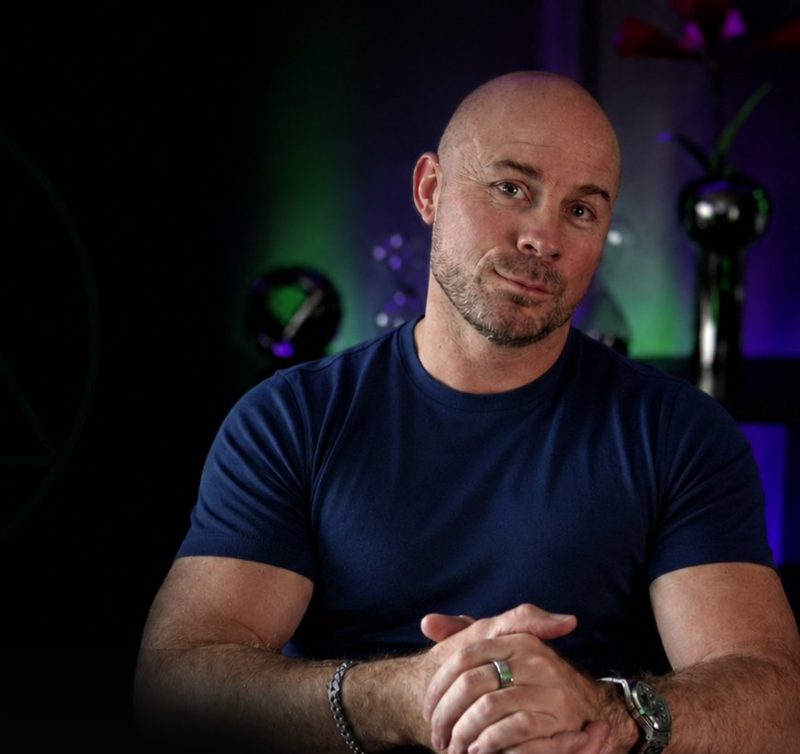
I am Adam Cox, a clinical hypnotherapist with more than 20 years of experience, and journalists and clients call me the Phobia Guru. I work one to one over Zoom with people whose fears are holding them back, including rarer ones like this. Every plan starts with understanding what your fear is really about.
Common questions
Is merinthophobia the same as claustrophobia?
They overlap but are not identical. Claustrophobia centres on small or enclosed spaces, while merinthophobia is about the body itself being held or restricted. Many people with one notice some of the other.
How can you help?
I use hypnotherapy and NLP to change how your mind responds to the thing you fear, so the old alarm stops going off. Sessions are one to one over Zoom, and you get a recording of the hypnosis to listen to afterwards.
How many sessions will I need?
Many clients notice a real difference after one 90 minute session. If the fear goes back a long way, three sessions gives us room to make the change stick.
Further reading: Merinthophobia
Ready to start?
Book a £49 consultation call and we’ll talk through your fear, or take the free suitability test first.
See all session options and prices
Hypnosis downloads for this fear
Prefer to start on your own? This recorded session from my store is £9.99 and yours to keep.
