
Fear of being touched (haphephobia)
En español: lee sobre este miedo en Fobias.org.
A fear of being touched can show up in crowded places, at the hairdresser’s, with handshakes and hugs, or in close relationships. It is more than simply liking your space, and it can be helped.
Many people find that with the right help, a handshake, a hug or a trip to the hairdresser feels easier, on their own terms.
Use code PHOBIA at checkout for half price: £24.50 instead of £49. Outside the UK? $29.50.
Understanding this fear
Haphephobia is an intense fear of being touched. It is more than liking personal space or not being a hugger, as even a light brush of an arm can set off panic, and the dread of possible touch can shape where you go and who you see. Unlike conditions where touch is physically painful, the distress with haphephobia comes from the fear itself. Some people fear touch from anyone, while others fear it only from strangers or from certain people.
Haphephobia is thought to be one of the rarer specific phobias, and nobody knows exactly how many people have it. It can appear on its own or alongside other difficulties, such as a fear of germs, a fear of crowds, obsessive compulsive disorder or the after-effects of a difficult experience. Some autistic people also find touch uncomfortable, which is a different thing, though the two can look alike. Children with the fear may cry, freeze or cling to a trusted adult when someone tries to touch them.
Common triggers
- Handshakes and greeting hugs
- Someone standing too close
- Being brushed past in a crowd
- A hand on the shoulder or arm without warning
- Medical, dental or beauty treatments
- Affection from a partner or family member
- Haircuts and having hair washed
- Being touched from behind
Where it shows up
- Crowded trains, buses and queues
- Hairdressers and barbers
- GP and dental surgeries
- Parties and family gatherings
- Busy shops and concerts
- Workplaces where hugging is common
- Lifts and narrow corridors
Symptoms
In your body
- Racing heart
- Feeling hot, flushed or sweaty
- Trembling
- Fast breathing or hyperventilating
- Nausea
- Hives or blotchy skin
- Feeling faint
In your mind
- Constant watchfulness about who is near me
- Dread when a greeting is coming
- A sudden urge to pull away or escape
- Worry that people will think I am cold or rude
- Knowing the fear is excessive but not being able to stop it
What you might do
- Avoiding crowds, parties and busy transport
- Keeping arms folded or holding a bag as a barrier
- Putting off haircuts, check-ups or treatments
- Stepping back before anyone can reach out
- Keeping distance in close relationships
- Making excuses to skip greetings
What causes it
There is no single known cause. For some people the fear grew after an upsetting experience involving touch, and the memory may not even be clear. Others learned it by watching a parent or close relative avoid touch, or developed it alongside another fear, such as germs or crowds. A family history of anxiety and a naturally inhibited temperament can make the fear more likely. Avoidance keeps it going, because each time you step back the relief tells your mind that touch really was dangerous.
How it can affect your life
Fear of being touched can make close relationships hard, as partners, children and friends may feel rejected even when they understand. It can stop people seeing a doctor, dentist or hairdresser when they need to, and make busy commutes and social events exhausting. Many people end up shrinking their social life to avoid situations where touch might happen. Over time this can lead to loneliness and low mood.
Things that can help day to day
- Tell trusted people what helps, such as asking before touching or offering a wave instead of a hug
- Practise slow breathing in places where you feel a little uneasy
- Plan quieter times for busy places such as shops or public transport
- Start with touch you control, such as resting a hand on your own arm, and notice your body settle
- Ask for extra time and a clear explanation before medical or dental care
When to get help
It is worth getting help if the fear stops you seeing a doctor or dentist, keeps you away from people you care about or brings on panic attacks. If anxiety is affecting your daily life, your GP is a good first step. If the fear is linked to a difficult past experience, a specialist counsellor can help alongside our work.
How I can help
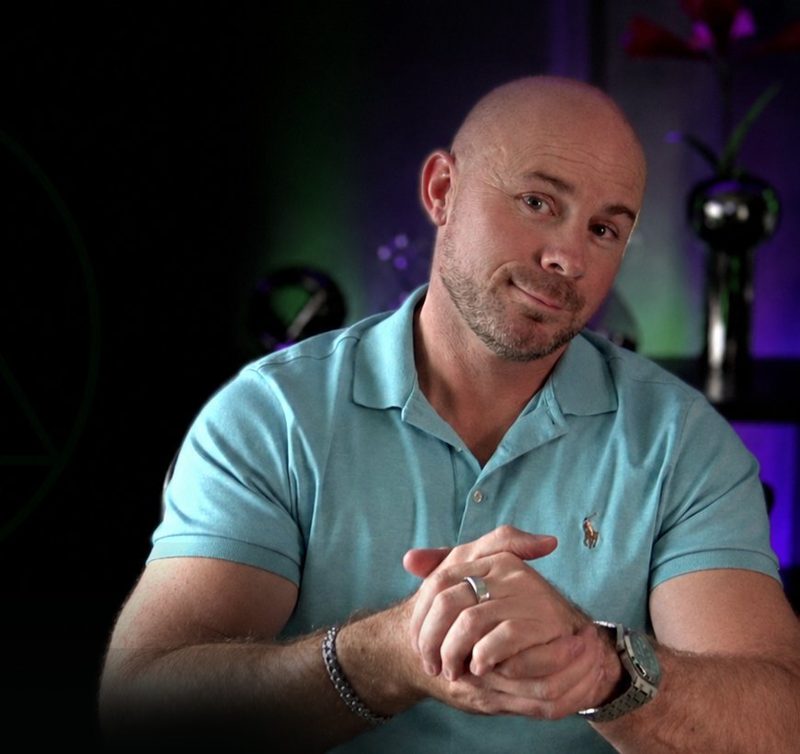
If you’ve tried to talk yourself out of this fear and it hasn’t worked, that isn’t a lack of willpower. A phobia is an alarm your mind learned, and logic alone rarely switches it off.
When I work with a fear of being touched over Zoom, nobody needs to be in the room with you, which many people find reassuring. I start by understanding exactly what kinds of touch feel unsafe and whether there is a memory or situation behind it. With hypnotherapy and NLP, we let your mind rehearse calm, chosen contact, such as a handshake or a hug from someone you trust, so the automatic alarm can soften. You set the pace throughout. Many clients find everyday moments like haircuts and greetings become much easier.
I’ve spent 17 years in clinical practice and helped more than 1,000 people with phobias. I hold a Postgraduate Certificate and a Postgraduate Diploma in Clinical Hypnotherapy, both with Distinction.
Please note: If the fear is linked to a difficult past experience, a specialist counsellor can help alongside our work.
Common questions
Is haphephobia the same as not liking hugs?
No. Plenty of people prefer not to hug and feel fine about it. Haphephobia is when the fear of touch brings strong anxiety or panic and starts to limit your life.
Can a fear of being touched be linked to autism?
Many autistic people find some kinds of touch uncomfortable because of how their senses process it, which is different from a phobia. If you are unsure which applies to you, your GP can help you get the right assessment.
How do I explain my fear of touch to a partner?
Keep it simple and honest, and explain that it is a fear response, not a sign of how you feel about them. Agree on signals together, such as asking first, so touch feels predictable and on your terms.
Is this linked to something that happened to me?
Sometimes, but not always. For some people it has roots in a past experience, and for others it has built up gradually. You never have to share more than you want to, and we go at a pace that feels safe.
How can you help?
I use hypnotherapy and NLP to change how your mind responds to the thing you fear, so the old alarm stops going off. Sessions are one to one over Zoom, and you get a recording of the hypnosis to listen to afterwards.
How many sessions will I need?
Many clients notice a real difference after one 90 minute session. If the fear goes back a long way, three sessions gives us room to make the change stick.
Further reading: Cleveland Clinic: Haphephobia · Healthline: Haphephobia · Medical News Today: Fear of being touched
Ready to start?
A short call is the simplest next step. We’ll talk about your fear, what you’d like to feel instead, and whether I’m the right person to help.
- Take the free test at the top of this page to see how strong your fear is.
- Book a 30 minute call. Use code PHOBIA at checkout for half price: £24.50 instead of £49 ($29.50 outside the UK).
- Start your sessions over Zoom from wherever you live, or face to face in Hertfordshire.
See all session options and prices