
Fear of belly buttons (omphalophobia)
En español: lee sobre este miedo en Fobias.org.
Omphalophobia is a fear of belly buttons, whether your own or other people’s. Some people cannot bear to touch their own navel, while others feel uneasy seeing them on a beach or in photos. It is often mentioned in lists of unusual fears.
Many people find that with the right help, belly buttons stop being a source of discomfort.
Use code PHOBIA at checkout for half price: £24.50 instead of £49. Outside the UK? $29.50.
About this phobia
The term comes from the Greek omphalos, meaning navel. It is not a recognised clinical diagnosis, though some people do describe living with it. For many, the reaction is more disgust than fear.
How it shows up
Omphalophobia can sound odd to others, but for those who live with it, the feeling is very real. Some cannot touch or even look at their own belly button, while others feel queasy when someone else shows theirs on a beach or in a photo. The reaction is often more disgust than fear, yet it can still shape choices about clothes, holidays and how people wash. Many feel embarrassed and keep it to themselves, which can make it feel stranger than it is.
Common triggers
- Touching your own navel
- Seeing others’ belly buttons
- Crop tops and swimwear
- Navel piercings
- Close-up photos
- Being prodded in the stomach
Where it shows up
- Beaches and swimming pools
- Changing rooms
- Gyms
- Summer festivals
- Showering or bathing
Symptoms
In your body
- Shudders
- Nausea
- Tense stomach
- Feeling faint
In your mind
- Disgust that lingers
- Worry about something going wrong if touched
- Feeling odd or embarrassed
What you might do
- Avoiding beaches and pools
- Wearing high-waisted clothes
- Washing around the area quickly
- Looking away from others
What may cause it
There is no clinical research on this fear. Many people describe a link to the umbilical cord, or a belief that the navel connects straight to the organs inside, which can make touching it feel risky or wrong. Disgust seems to play a big part, and a childhood moment such as being prodded in the tummy may be remembered as a starting point. Avoiding the area keeps the feeling fresh, because there is no chance to get used to it.
How it can affect your life
It can make summer holidays, swimming and some clothing choices hard, and gym or pool changing rooms may be avoided. Washing and caring for the body may also feel uncomfortable. For new parents, caring for a baby’s healing navel can be especially hard.
Related fears
- Fear of the body (somatophobia)
- Disgust sensitivity
- Fear of medical procedures
- Fear of germs (mysophobia)
Things that can help day to day
- Learn a little about how the navel forms, as it is simply a scar and not an opening to the inside
- Touch the area through clothing for a few seconds, then try without when you feel ready
- Use a soft cloth when washing, so the area is cared for without direct touch at first
- Look at a simple drawing before moving on to photos of real belly buttons
When to get help
If you have pain, redness or discharge from the navel, see a GP. If the fear is affecting daily life, a GP can also talk through support.
Explore more unusual fears in the rare phobias A to Z, or browse the common phobias.
About me
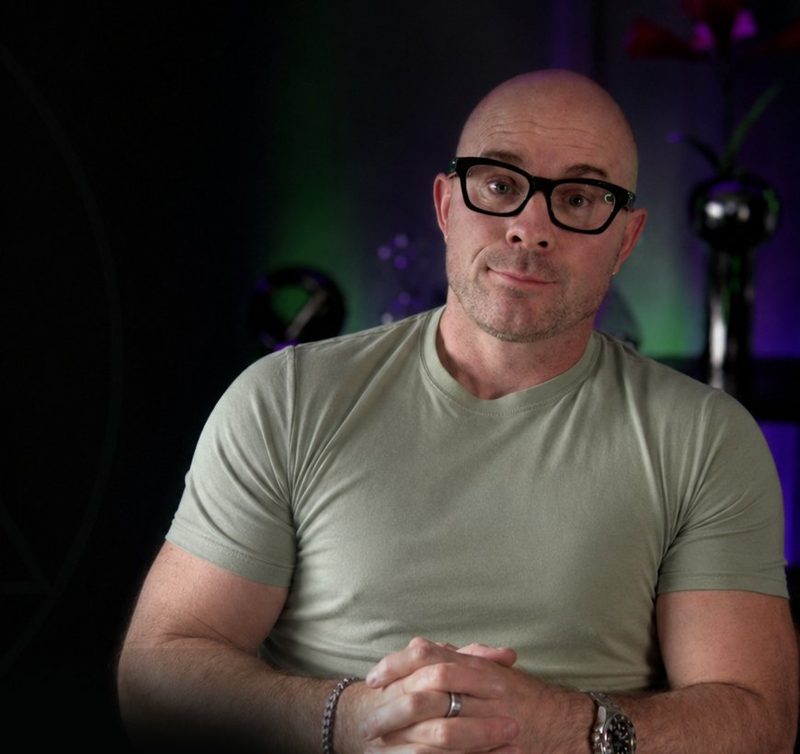
If you’ve tried to talk yourself out of this fear and it hasn’t worked, that isn’t a lack of willpower. A phobia is an alarm your mind learned, and logic alone rarely switches it off.
When a fear is less common, it can be harder to explain, so you may not have told many people about it. I work one to one over Zoom with people whose fears are holding them back, including rarer ones like this, and every plan starts with understanding what your fear is really about.
I’ve spent 17 years in clinical practice and helped more than 1,000 people with phobias. I hold a Postgraduate Certificate and a Postgraduate Diploma in Clinical Hypnotherapy, both with Distinction, and journalists and clients call me the Phobia Guru.
Common questions
Why might someone be afraid of belly buttons?
There is no single reason. Some link it to the navel’s connection to birth and the umbilical cord, while others simply find the look or feel unsettling. Whatever the cause, it is real for the person who feels it.
How can you help?
I use hypnotherapy and NLP to change how your mind responds to the thing you fear, so the old alarm stops going off. Sessions are one to one over Zoom, and you get a recording of the hypnosis to listen to afterwards.
How many sessions will I need?
Many clients notice a real difference after one 90 minute session. If the fear goes back a long way, three sessions gives us room to make the change stick.
Further reading: Healthline: Omphalophobia · The Conversation: Innies, outies and omphalophobia · NHS: Phobias
Ready to start?
A short call is the simplest next step. We’ll talk about your fear, what you’d like to feel instead, and whether I’m the right person to help.
- Take the free test at the top of this page to see how strong your fear is.
- Book a 30 minute call. Use code PHOBIA at checkout for half price: £24.50 instead of £49 ($29.50 outside the UK).
- Start your sessions over Zoom from wherever you live, or face to face in Hertfordshire.
See all session options and prices