
Fear of blind spots in vision (scotomaphobia)
Scotomaphobia is a fear of blindness in part of the visual field, often called a blind spot. Someone with it may keep testing their vision by covering one eye, worry about every floater or blur, or panic during a migraine aura. Any new or sudden change in sight should be checked promptly by an optician, a GP or NHS 111.
Many people find that with the right help, and after an eye check where needed, the worry about their sight settles.
Use code PHOBIA at checkout for half price: £24.50 instead of £49. Outside the UK? $29.50.
About this phobia
The name comes from scotoma, the medical word for an area of lost or reduced vision, which goes back to the Greek skotos, meaning darkness. It is rarely reported and appears mainly on lists. It can overlap with health anxiety and with a wider fear of going blind.
How it shows up
Someone with this fear may keep staring at a blank wall looking for gaps, or worry that every floater is the start of something serious. A migraine aura can be especially frightening, as it may bring a patch of shimmering or missing vision. The fear tends to make people more aware of normal quirks of sight, which then fuels more checking. A new problem should always be checked, but here the worry keeps going long after the all-clear.
Common triggers
- Floaters drifting across vision
- Migraine aura or shimmering patches
- Blurry vision when tired
- Stories about sight loss
- Eye tests and scans
- Afterimages from bright light
Where it shows up
- Opticians and eye clinics
- Reading or screen work
- Driving
- Bright sunlight
- Lying in bed at night
- Waiting for test results
Symptoms
In your body
- Eye strain from checking
- Headache
- Racing heart
- Tension around the eyes
- Dry, tired eyes
In your mind
- Picturing life without sight
- Treating normal quirks as danger
- Doubt after a clear eye test
- Constant attention on eyesight
What you might do
- Testing each eye in turn
- Searching symptoms online
- Booking extra eye tests
- Avoiding driving or screens
What may cause it
Research on this fear by name is very limited. It often links to health anxiety and to a fear of losing sight, perhaps after a family member’s eye problem or a frightening migraine. Everyone has a natural blind spot that the brain fills in, and once someone learns this they may start hunting for it. Repeated checking can make normal sensations seem bigger than they are.
How it can affect your life
Reading, screen work and driving can become stressful. Repeated appointments and checking take up time and can leave people tired and on edge. The worry may also make it hard to enjoy films, books or hobbies that rely on good eyesight.
Related fears
- Fear of going blind
- Health anxiety
- Fear of illness (nosophobia)
- Fear of eyes (ommetaphobia)
Things that can help day to day
- Keep routine eye tests but avoid booking extras for reassurance
- Limit self-testing to once if you notice a change
- Take regular screen breaks to ease eye strain
- Write down what the optician told you and reread it when worried
When to get help
Any new or sudden change in sight, new flashes, or a shadow spreading across your vision should be checked urgently by an optician, a GP or NHS 111. If your eyes are healthy but the worry continues, a GP can suggest support for health anxiety.
Explore more unusual fears in the rare phobias A to Z, or browse the common phobias.
About me
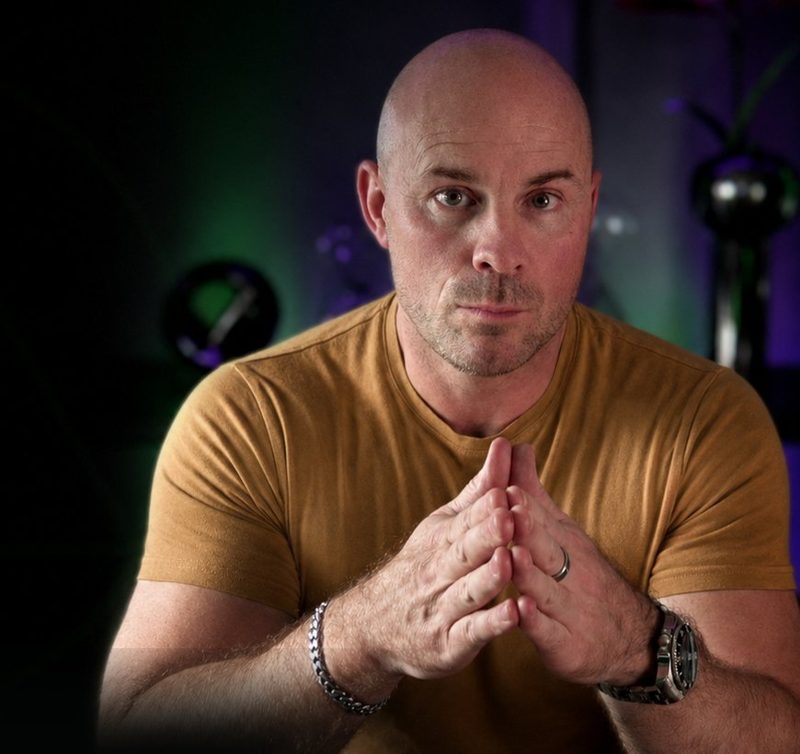
If you’ve tried to talk yourself out of this fear and it hasn’t worked, that isn’t a lack of willpower. A phobia is an alarm your mind learned, and logic alone rarely switches it off.
When a fear is less common, it can be harder to explain, so you may not have told many people about it. I work one to one over Zoom with people whose fears are holding them back, including rarer ones like this, and every plan starts with understanding what your fear is really about.
I’ve spent 17 years in clinical practice and helped more than 1,000 people with phobias. I hold a Postgraduate Certificate and a Postgraduate Diploma in Clinical Hypnotherapy, both with Distinction, and journalists and clients call me the Phobia Guru.
Common questions
Is a blind spot in vision always serious?
Not always. Everyone has a natural blind spot that the brain fills in, and some people get temporary patches during a migraine. Even so, new, growing or sudden changes need checking quickly by an optician or GP, and that reassurance can also ease the fear.
How can you help?
I use hypnotherapy and NLP to change how your mind responds to the thing you fear, so the old alarm stops going off. Sessions are one to one over Zoom, and you get a recording of the hypnosis to listen to afterwards.
How many sessions will I need?
Many clients notice a real difference after one 90 minute session. If the fear goes back a long way, three sessions gives us room to make the change stick.
Further reading: NHS: Health anxiety · NHS: Vision loss · NHS: Phobias
Ready to start?
A short call is the simplest next step. We’ll talk about your fear, what you’d like to feel instead, and whether I’m the right person to help.
- Take the free test at the top of this page to see how strong your fear is.
- Book a 30 minute call. Use code PHOBIA at checkout for half price: £24.50 instead of £49 ($29.50 outside the UK).
- Start your sessions over Zoom from wherever you live, or face to face in Hertfordshire.
See all session options and prices