
Fear of bridges (gephyrophobia)
En español: lee sobre este miedo en Fobias.org.
A fear of bridges can show up on motorways, footbridges, railway crossings and even short flyovers. It can change the routes you take and the places you are willing to go. It is something I help people with.
Many people find that with the right help, they can take the direct route over a bridge or flyover and stop planning their routes around them.
Use code PHOBIA at checkout for half price: £24.50 instead of £49. Outside the UK? $29.50.
Understanding this fear
Gephyrophobia is an intense fear of bridges or of crossing them. For some people it is the drive across a long motorway span that sets it off, for others a narrow footbridge, a viaduct or simply seeing a bridge ahead. Plenty of people feel a flicker of unease on a high, windy crossing, but a phobia is different. The dread can start days before a trip, the body goes into alarm mode on the approach, and routes get planned around avoiding bridges altogether.
It is usually seen as a situational specific phobia, and it often overlaps with a fear of heights, deep water, driving or feeling trapped with no easy way off. Some people find it grew out of one of those fears, or out of a stressful, sleep short period when a panic attack happened on a crossing. News of a bridge failure elsewhere can reawaken the fear, even when the bridge you use is perfectly sound. There is no reliable figure for how many people have it, but in some places there are even services that will drive anxious motorists across, which shows how many people struggle.
Common triggers
- Long spans over open water
- High crossings with low side rails
- Strong crosswinds on an exposed bridge
- Traffic slowing or stopping mid span
- A steep crest where you cannot see the far side
- Narrow lanes with no hard shoulder
- Feeling the deck vibrate as lorries pass
- News stories about bridge failures
- Being a passenger with no control
- Thinking ahead to a route with a crossing
Where it shows up
- Motorway viaducts and flyovers
- Large estuary crossings
- Rail bridges and viaducts on train trips
- Suspension and pedestrian footbridges
- River bridges in town and city centres
- Causeways and long elevated roads
- Glass floors and open grid walkways
Symptoms
In your body
- Pounding heart as the bridge comes into view
- Tight chest and shallow breathing
- Sweaty palms gripping the steering wheel
- Dizziness or a swaying feeling
- Shaky hands or legs
- Nausea or a churning stomach
- Tense shoulders and clenched jaw
In your mind
- Fear the bridge will give way
- Images of the car going over the side
- Dread of panicking halfway with no way off
- Worry about losing control of the wheel
- Feeling trapped if traffic stops
- Shame that others cross without a second thought
What you might do
- Long detours to avoid crossings
- Asking someone else to drive
- Turning down jobs or trips that involve a bridge
- Staring fixedly ahead and gripping the wheel
- Checking traffic and weather reports again and again
- Keeping to the lane furthest from the edge
What causes it
Many bridge fears start with one bad moment, such as a panic attack on a crossing, a near miss, a skid in the wet or seeing an accident. Sometimes the fear grows out of an existing worry about heights, water or driving, or appears during a stressful patch of life when the nervous system is already on high alert. Watching a parent tense up on bridges, or seeing dramatic footage of a collapse, can also teach the mind that crossings are dangerous. Our brains are built to be wary of drops and of places with no easy exit, and a bridge combines both. Avoidance then keeps the fear alive, because every detour brings relief and the mind never gets the chance to learn that the crossing would have been fine.
How it can affect your life
A fear of bridges can quietly shrink your map. Commutes get longer, some jobs and holidays feel off limits, and you may rely on a partner or friend to drive certain routes. People sometimes miss family events or even health appointments because the trip involves a crossing. Many also feel embarrassed and keep it hidden, which adds to the strain.
Things that can help day to day
- Breathe slowly on the approach, letting each out breath be longer than the in breath
- Plan the route calmly in advance so there are no surprises
- Keep a log of what you feared would happen and what actually did
- Cut back on caffeine before a drive that includes a bridge
- Build up in small steps as a passenger first, and only drive a crossing when you feel safe to
When to get help
It is worth getting help if you are planning your life around avoiding bridges, turning down work or travel, or using alcohol or sedatives to cope. If you feel panic could affect your concentration at the wheel, let someone else drive that route until you have had support. Your GP is a good first port of call if anxiety or panic attacks are affecting your daily life, and you can also refer yourself to NHS talking therapies.
How I can help
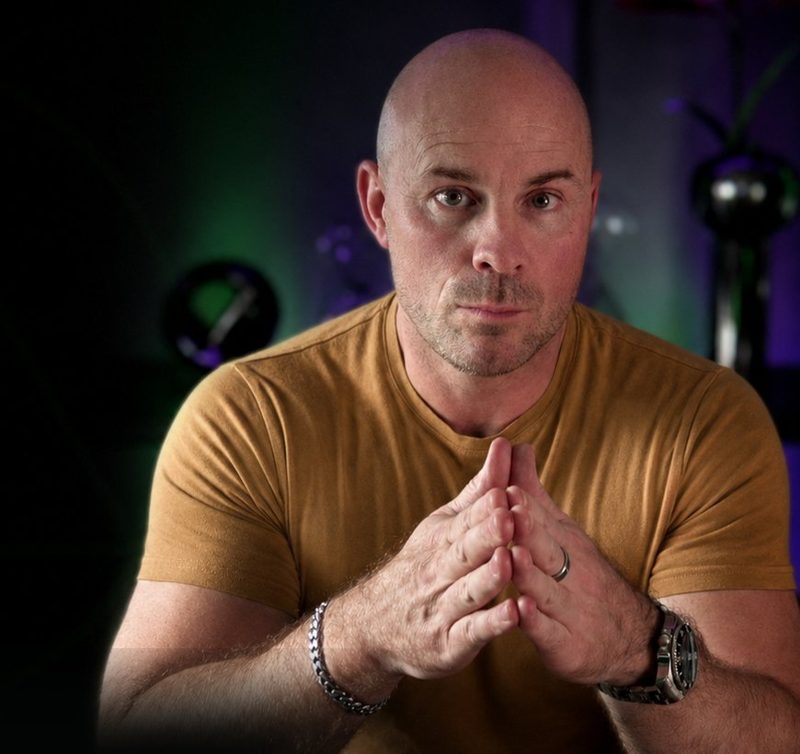
If you’ve tried to talk yourself out of this fear and it hasn’t worked, that isn’t a lack of willpower. A phobia is an alarm your mind learned, and logic alone rarely switches it off.
When I work with a fear of bridges over Zoom, I first want to know what the fear is really about, because for one person it is the height, for another the water and for another the sense of being stuck in traffic. Using hypnotherapy and NLP, I help you rehearse a crossing in your mind while you stay calm and settled, so your brain starts to link bridges with a steady feeling rather than alarm. We also work on the automatic jolt of panic that kicks in as a bridge comes into view, so it can settle rather than build. Many clients find that crossings they have avoided for years start to feel manageable again.
I’ve spent 17 years in clinical practice and helped more than 1,000 people with phobias. I hold a Postgraduate Certificate and a Postgraduate Diploma in Clinical Hypnotherapy, both with Distinction.
Common questions
Why do some bridges scare me more than others?
Long, high spans over water, steep crests where you cannot see the far side and narrow lanes with no hard shoulder tend to be the hardest. They combine height, exposure and a feeling of no escape, which is exactly what an anxious mind latches on to.
Will the fear fade if I just avoid bridges?
Usually the opposite happens. Each detour brings quick relief, which teaches your mind that the bridge was dangerous and that avoiding it kept you safe, so the fear tends to grow over time.
Is it safe to drive over a bridge when I feel anxious?
Feeling nervous is not the same as being unsafe, and many anxious drivers cross without any problem. Safety always comes first though, so if panic is strong enough to affect your concentration, let someone else drive that route for now while you work on the fear.
Is this the same as a fear of heights?
They can overlap, but they are not the same. Some people are fine with heights but panic on a bridge, often because of the driving, the water below or the feeling of being unable to stop. Knowing which it is helps us work on the right thing.
How can you help?
I use hypnotherapy and NLP to change how your mind responds to the thing you fear, so the old alarm stops going off. Sessions are one to one over Zoom, and you get a recording of the hypnosis to listen to afterwards.
How many sessions will I need?
Many clients notice a real difference after one 90 minute session. If the fear goes back a long way, three sessions gives us room to make the change stick.
Further reading: CBS News: What is the fear of crossing bridges · NBC News: Gephyrophobics fear crossing that bridge · NHS: Phobias
Ready to start?
A short call is the simplest next step. We’ll talk about your fear, what you’d like to feel instead, and whether I’m the right person to help.
- Take the free test at the top of this page to see how strong your fear is.
- Book a 30 minute call. Use code PHOBIA at checkout for half price: £24.50 instead of £49 ($29.50 outside the UK).
- Start your sessions over Zoom from wherever you live, or face to face in Hertfordshire.
See all session options and prices