
Fear of bulls (taurophobia)
En español: lee sobre este miedo en Fobias.org.
Taurophobia is a fear of bulls. For walkers and people who live in the countryside it can mean avoiding fields with livestock, planning routes around farms, or feeling frozen at the sight of cattle behind a gate.
Many people find that with the right help, a countryside walk past a field of cattle feels calm, with sensible care.
Use code PHOBIA at checkout for half price: £24.50 instead of £49. Outside the UK? $29.50.
About this phobia
The name comes from the Latin taurus, meaning bull, which is also the name of the star sign. It is an uncommon term found mainly on phobia lists. Some caution around bulls is reasonable, as they can be dangerous, and the fear often overlaps with a wider fear of cows or other large animals.
How it shows up
Bulls are large, strong animals, and keeping a respectful distance is plain common sense. With taurophobia the reaction is much stronger than caution, and seeing cattle on a distant hillside or hearing a bellow can trigger panic even when the animals are safely fenced. Some people cannot tell bulls from cows at a distance, so any herd feels like a threat. The fear tends to matter most to walkers, rural families and people visiting farms, where it can quietly rule out places they would like to go.
Common triggers
- Cattle in a field crossed by a footpath
- A bull behind a gate or fence
- Bellowing or snorting sounds
- Signs warning of a bull in the field
- News stories about walkers and cattle
- Images of bullfighting or bull running
Where it shows up
- Countryside walks and footpaths
- Farm visits and open farms
- Agricultural shows
- Country lanes beside pasture
- Holiday cottages in farming areas
Symptoms
In your body
- Freezing on the spot
- Pounding heart
- Shaky legs
- Dry mouth
- Short, quick breaths
In your mind
- Imagining being chased or charged
- Misjudging how close the animals are
- Thinking there is no way to escape
- Worry for days before a walk
What you might do
- Planning routes around fields
- Turning back from walks
- Avoiding countryside holidays
- Checking maps for livestock
What may cause it
Taurophobia has not been studied much on its own, but fears of animals are among the most common specific phobias. A frightening encounter, a story heard as a child or vivid images from bullfighting can all plant the fear. Because some caution around cattle is genuinely sensible, it can be hard to tell where reasonable care ends and fear begins. Avoidance then means a person never learns that most country outings pass calmly.
How it can affect your life
The fear can limit walking, rural holidays and days out with children, and may cause tension if a partner or friends love the countryside. For people who live or work near farms it can make everyday routes stressful. For some people, even cattle on a farming programme or a calendar picture can bring the feeling back.
Related fears
- Fear of cows (bovinophobia)
- Fear of animals (zoophobia)
- Fear of horses (equinophobia)
- Fear of large animals
Things that can help day to day
- Choose routes that avoid fields with livestock
- Learn the standard countryside advice on walking near cattle
- Use steady breathing to ride out the first surge of fear
- Look at calm pictures of cattle at home
When to get help
If the fear stops you enjoying the outdoors or affects work or family life, a GP or therapist can help. Never go near bulls to test the fear, as they can be genuinely dangerous.
Explore more unusual fears in the rare phobias A to Z, or browse the common phobias.
About me
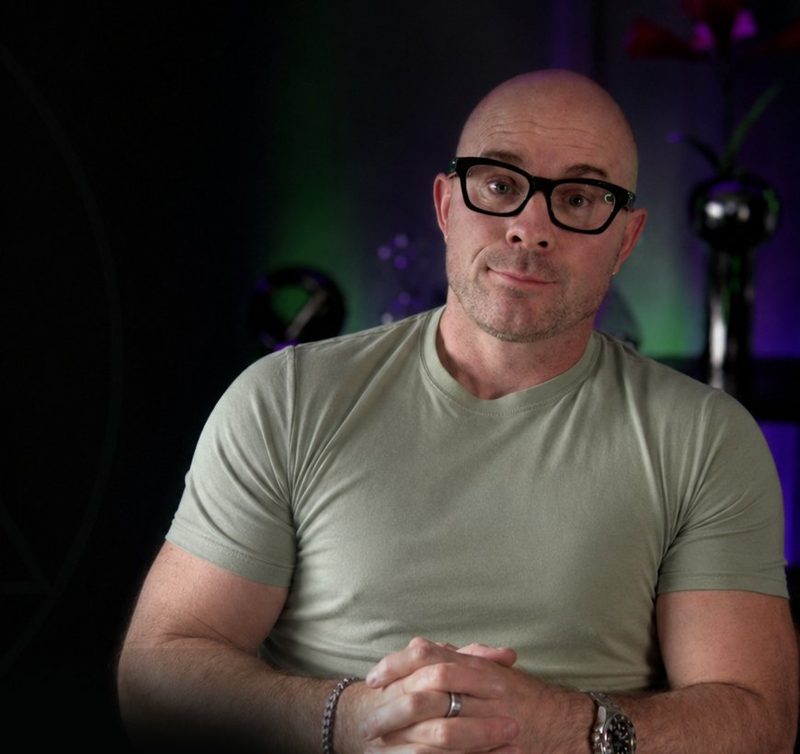
If you’ve tried to talk yourself out of this fear and it hasn’t worked, that isn’t a lack of willpower. A phobia is an alarm your mind learned, and logic alone rarely switches it off.
When a fear is less common, it can be harder to explain, so you may not have told many people about it. I work one to one over Zoom with people whose fears are holding them back, including rarer ones like this, and every plan starts with understanding what your fear is really about.
I’ve spent 17 years in clinical practice and helped more than 1,000 people with phobias. I hold a Postgraduate Certificate and a Postgraduate Diploma in Clinical Hypnotherapy, both with Distinction, and journalists and clients call me the Phobia Guru.
Common questions
Is it sensible to be afraid of bulls?
A degree of caution is wise, since bulls are large and can be unpredictable, and walkers are generally advised to keep their distance. It becomes a phobia when the fear stops you enjoying the countryside at all or causes panic even when you are clearly safe.
How can you help?
I use hypnotherapy and NLP to change how your mind responds to the thing you fear, so the old alarm stops going off. Sessions are one to one over Zoom, and you get a recording of the hypnosis to listen to afterwards.
How many sessions will I need?
Many clients notice a real difference after one 90 minute session. If the fear goes back a long way, three sessions gives us room to make the change stick.
Further reading: Cleveland Clinic: Zoophobia (fear of animals) · Cleveland Clinic: Equinophobia (fear of horses) · NHS: Phobias
Ready to start?
A short call is the simplest next step. We’ll talk about your fear, what you’d like to feel instead, and whether I’m the right person to help.
- Take the free test at the top of this page to see how strong your fear is.
- Book a 30 minute call. Use code PHOBIA at checkout for half price: £24.50 instead of £49 ($29.50 outside the UK).
- Start your sessions over Zoom from wherever you live, or face to face in Hertfordshire.
See all session options and prices