
Fear of butterflies and moths (lepidopterophobia)
En español: lee sobre este miedo en Fobias.org.
A fear of butterflies and moths can show up in the garden, at a window, in a bedroom at night or at a butterfly house. The fluttering and unpredictable flight are the usual triggers. It can be helped.
Many people find that with the right help, a moth at the window or a butterfly in the garden becomes something they can stay calm around.
Use code PHOBIA at checkout for half price: £24.50 instead of £49. Outside the UK? $29.50.
Understanding this fear
Lepidopterophobia is an intense fear of butterflies and moths. To many people they are pretty and harmless, which can make the fear feel embarrassing. Yet for someone with this phobia, a moth bumping against a lamp or a butterfly drifting close can cause real panic and a rush to get away. Often it is the thought of one landing on you or flying into your face that feels unbearable.
It is one of the less studied animal phobias, but it is not as rare as people think. One small university survey in the United States found that more than 5 in every 100 students had a strongly negative reaction to moths. Some people fear only moths, some only butterflies and some both. It often begins in childhood, perhaps after a sudden encounter, and can be learned from a family member who reacted strongly.
Common triggers
- Erratic, fluttering flight
- A moth flying towards a light or your face
- Wings brushing against your skin or hair
- Dusty moth wings or powder on your fingers
- Close up views of the body and antennae
- Moths in wardrobes or cupboards
- Butterflies landing nearby
- Opening a window on a summer evening
Where it shows up
- Bedrooms at night with a lamp on
- Gardens and parks in summer
- Butterfly houses and zoos
- Porches and outside lights
- Wardrobes and lofts
- Camping and caravan holidays
Symptoms
In your body
- Flinching or ducking suddenly
- Racing heart
- Short of breath
- Shaking and sweating
- A crawling or tickling feeling on the skin
- Feeling faint or light headed
In your mind
- It is going to fly into my face or hair
- I cannot predict where it will go next
- Feeling trapped in a room with one
- Disgust at the body or the dust on the wings
- Embarrassment about being scared of something harmless
What you might do
- Keeping windows shut and lights off in summer
- Checking the room before going to bed
- Leaving the room until someone removes it
- Avoiding gardens, butterfly houses and nature trips
- Covering your face or hair when one is near
What causes it
Many people can remember an early fright, such as a moth landing on them in the dark or getting caught in their hair. Others learned the fear by watching a parent or sibling react strongly. The fast, zigzag flight plays a big part, because the brain finds it hard to track and predict, and that sense of no control can feel threatening. Some people also feel disgust at the body or the powdery wings. Every time you leave the room or keep windows shut to avoid them, the relief teaches the mind that this was the only way to stay safe, so the fear keeps going.
How it can affect your life
This fear tends to peak in the warmer months, when evenings with the windows open or sitting in the garden can feel off limits. Some people struggle to sleep if they think a moth is in the room, or avoid wardrobes and lofts. It can mean missing out on family days at butterfly houses, zoos and nature parks, and the embarrassment can stop people talking about it.
Things that can help day to day
- Use fly screens on windows so you can let fresh air in
- Turn off bright lights near open windows on summer evenings
- Look at drawings or photos of butterflies for short spells and build up
- Breathe out slowly and keep still, as most moths and butterflies drift away on their own
- Remind yourself that they cannot bite or sting
When to get help
It is worth getting help if the fear is affecting your sleep, keeping you indoors in summer or stopping you from enjoying family outings. If anxiety is affecting your daily life, your GP is a good first port of call.
How I can help
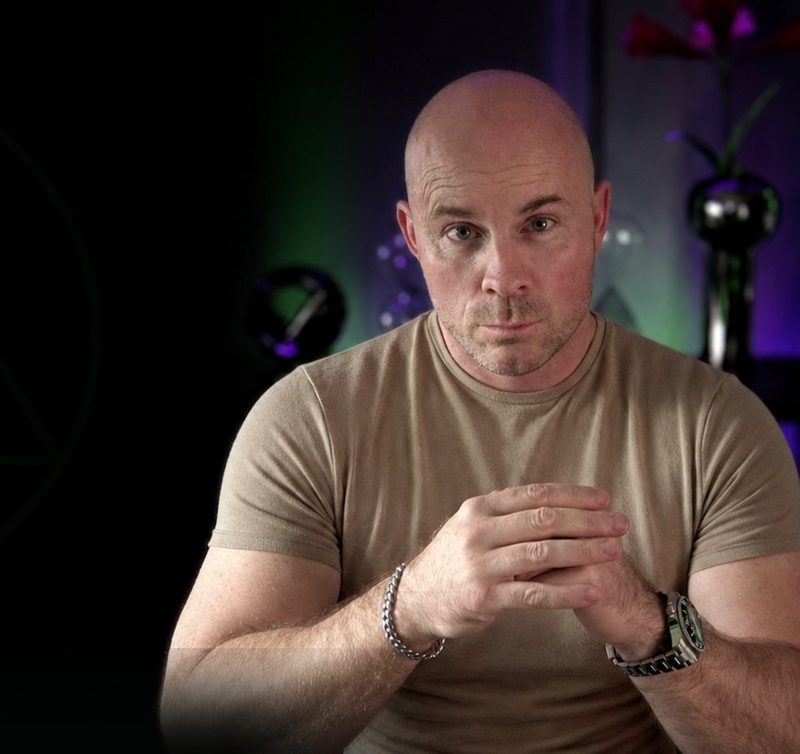
If you’ve tried to talk yourself out of this fear and it hasn’t worked, that isn’t a lack of willpower. A phobia is an alarm your mind learned, and logic alone rarely switches it off.
When I work with a fear of butterflies and moths over Zoom, I start by working out what really sets you off, whether it is the fluttering, the thought of being touched or an early memory. Using hypnotherapy and NLP, we slow down the way the mind replays that flight, so it no longer feels sudden and out of control. We then rehearse sitting calmly as a moth flies past a lamp or a butterfly lands nearby. Many clients find they can stay in the room, or enjoy the garden again, without the old jolt of panic.
I’ve spent 17 years in clinical practice and helped more than 1,000 people with phobias. I hold a Postgraduate Certificate and a Postgraduate Diploma in Clinical Hypnotherapy, both with Distinction.
Common questions
Why am I scared of moths but not butterflies?
Moths often appear at night, fly towards lights and faces, and arrive without warning, which can make them feel more threatening. Butterflies are usually seen in daylight at a distance. The fear can attach to one, the other or both.
Can moths or butterflies hurt you?
Adult moths and butterflies in the UK do not bite or sting. Some caterpillars have hairs that can irritate skin, so it is sensible not to handle those.
Is it silly to be afraid of butterflies?
No. The fear response is automatic and has little to do with how dangerous something is. It is a recognised phobia, and it can be helped.
Is a fear of moths different?
There is a separate name for a fear of moths alone, mottephobia. Some people fear only moths, some only butterflies, and some both. Whichever it is for you, the approach is much the same.
How can you help?
I use hypnotherapy and NLP to change how your mind responds to the thing you fear, so the old alarm stops going off. Sessions are one to one over Zoom, and you get a recording of the hypnosis to listen to afterwards.
How many sessions will I need?
Many clients notice a real difference after one 90 minute session. If the fear goes back a long way, three sessions gives us room to make the change stick.
Further reading: Healthline: Lepidopterophobia · Entomological Society of America: Survey of mottephobia · NHS: Phobias
Ready to start?
A short call is the simplest next step. We’ll talk about your fear, what you’d like to feel instead, and whether I’m the right person to help.
- Take the free test at the top of this page to see how strong your fear is.
- Book a 30 minute call. Use code PHOBIA at checkout for half price: £24.50 instead of £49 ($29.50 outside the UK).
- Start your sessions over Zoom from wherever you live, or face to face in Hertfordshire.
See all session options and prices