
Fear of cars (motorphobia)
Motorphobia is a fear of cars and other motor vehicles. It might mean fear of being a passenger, of driving, or of being near busy traffic. Some people develop it after a crash or a near miss, while others cannot point to a clear cause.
Many people find that with the right help, getting into a car, as a driver or a passenger, feels calm and ordinary.
Use code PHOBIA at checkout for half price: £24.50 instead of £49. Outside the UK? $29.50.
About this phobia
The term is built from motor, from the Latin for mover, and phobia. It is rarely used clinically, where fear of driving or of travelling by car is usually described in plain terms. It overlaps with amaxophobia, a fear of riding in vehicles.
How it shows up
Many people feel a little tense in heavy traffic, but motorphobia goes further. Someone might refuse lifts, grip the seat as a passenger, or feel panic at the thought of getting behind the wheel. For some, even standing near a busy road or hearing a car horn is enough to set off a surge of fear. When it follows a crash, the fear can arrive suddenly in someone who used to drive with ease.
Common triggers
- Getting into a car as a driver or passenger
- Busy roads and fast traffic
- Motorways and dual carriageways
- Sudden braking or horns
- News of road accidents
- Being driven by someone else
Where it shows up
- School runs and commuting
- Long motorway drives
- Car parks and petrol stations
- Driving lessons or tests
- Taxis and lifts from friends
Symptoms
In your body
- Racing heart
- Sweaty palms
- Shaking
- Dizziness
- Feeling short of breath
In your mind
- Picturing a crash happening
- Fear of losing control of the car
- Dread in the hours before a trip
What you might do
- Avoiding driving or being a passenger
- Taking long routes to avoid main roads
- Relying on others for transport
- Back-seat driving or constant checking
What may cause it
Fear of driving and of riding in cars is well recognised, and it often follows a crash or near miss, either your own or one that happened to someone close. It can also build up without a clear event, sometimes after a panic attack while driving. Avoidance makes sense at first but tends to shrink a person’s world over time. When the fear follows a crash, it may be part of a wider stress reaction that deserves proper support.
How it can affect your life
In many parts of the UK a car is needed for work, school runs and shopping, so the fear can limit jobs, independence and family life. It can also put pressure on partners or friends who end up doing all the driving.
Related fears
- Fear of driving (driving phobia)
- Fear of riding in vehicles (amaxophobia)
- Fear of travel (hodophobia)
- Fear of accidents (dystychiphobia)
Things that can help day to day
- Start by sitting in a parked car on your drive with the engine off, breathing slowly
- If you drive, book a refresher lesson with an instructor used to nervous drivers
- Plan short, familiar trips at quiet times and build up gradually
- Do not drive while very anxious; pull over safely and wait until you feel settled
When to get help
If the fear started after a crash, or you have flashbacks, poor sleep or panic attacks, speak to a GP, as this is common and there is effective help.
Explore more unusual fears in the rare phobias A to Z, or browse the common phobias.
About me
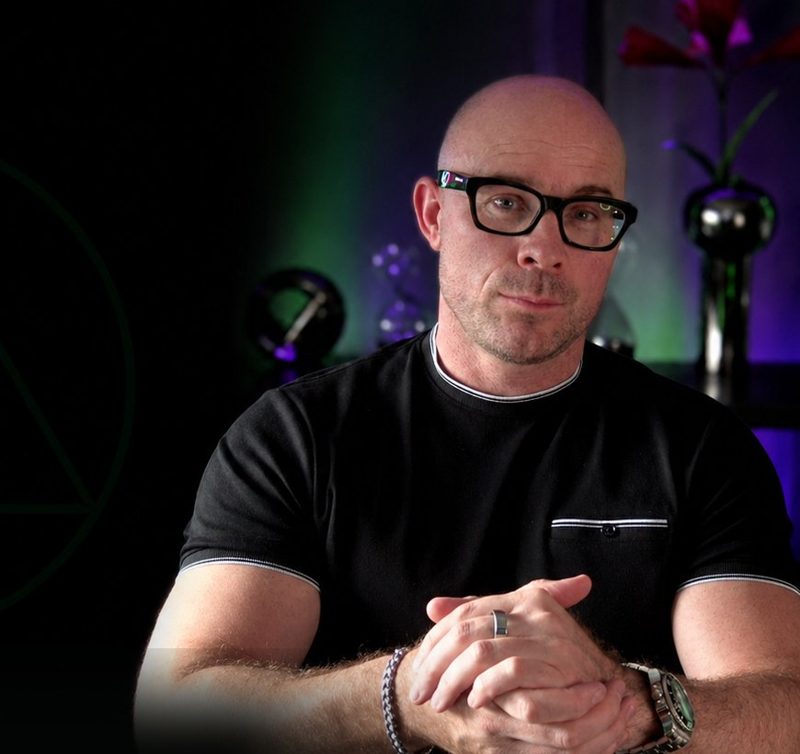
If you’ve tried to talk yourself out of this fear and it hasn’t worked, that isn’t a lack of willpower. A phobia is an alarm your mind learned, and logic alone rarely switches it off.
When a fear is less common, it can be harder to explain, so you may not have told many people about it. I work one to one over Zoom with people whose fears are holding them back, including rarer ones like this, and every plan starts with understanding what your fear is really about.
I’ve spent 17 years in clinical practice and helped more than 1,000 people with phobias. I hold a Postgraduate Certificate and a Postgraduate Diploma in Clinical Hypnotherapy, both with Distinction, and journalists and clients call me the Phobia Guru.
Common questions
Can a fear of cars start after an accident?
It can. Many people notice anxiety about cars after a crash, even a minor one. If it began after an accident and memories of it keep coming back, a GP is a sensible place to start.
How can you help?
I use hypnotherapy and NLP to change how your mind responds to the thing you fear, so the old alarm stops going off. Sessions are one to one over Zoom, and you get a recording of the hypnosis to listen to afterwards.
How many sessions will I need?
Many clients notice a real difference after one 90 minute session. If the fear goes back a long way, three sessions gives us room to make the change stick.
Further reading: Driving phobia
Ready to start?
A short call is the simplest next step. We’ll talk about your fear, what you’d like to feel instead, and whether I’m the right person to help.
- Take the free test at the top of this page to see how strong your fear is.
- Book a 30 minute call. Use code PHOBIA at checkout for half price: £24.50 instead of £49 ($29.50 outside the UK).
- Start your sessions over Zoom from wherever you live, or face to face in Hertfordshire.
See all session options and prices