
Fear of cats (ailurophobia)
En español: lee sobre este miedo en Fobias.org.
Cats are everywhere: in friends’ homes, on garden walls, crossing the street. A fear of cats can make visiting people, or walking down your own road, feel tense.
With the right help, many people find they can visit friends with cats and walk down their own road without that tense watchfulness.
Use code PHOBIA at checkout for half price: £24.50 instead of £49. Outside the UK? $29.50.
Understanding this fear
Ailurophobia is a strong, lasting fear of cats. Plenty of people are not cat lovers, but with this phobia a cat on a garden wall or a meow from another room can bring on real panic. You might avoid friends’ homes, cross the road or feel tense walking down your own street. For some it is fear of being scratched or pounced on, and for others it is closer to disgust.
It is less common than fears of spiders, snakes or dogs, but it can be very limiting because cats are everywhere. It usually starts in early childhood, often after a scratch, a cat leaping out unexpectedly or growing up around someone who was frightened of cats. Some people also pick up old beliefs about cats being sly or unlucky. Having one phobia can make it more likely to develop another.
Common triggers
- A cat jumping down or leaping out suddenly
- Cats staring or approaching
- Hissing, yowling or meowing
- Cats rubbing against your legs
- Being scratched or fearing claws
- Fur or fur-like fabric
- Photos and videos of cats online
- Black cats and superstitions
Where it shows up
- Friends’ and relatives’ homes
- Gardens, walls and fences
- Your own street or driveway
- Pet shops and vets
- Holiday homes and B and Bs
- Cat cafes and farms
- Social media feeds
Symptoms
In your body
- Racing heart
- Fast breathing
- Trembling
- Sweating
- Dizziness
- Nausea
- Tension headaches
In your mind
- It is going to jump at me or scratch my face
- I cannot predict what it will do
- Dread before visiting someone with a cat
- Feeling trapped if a cat is between you and the door
- Feeling silly or embarrassed about the fear
What you might do
- Turning down invitations to homes with cats
- Asking hosts to shut cats away
- Crossing the road or changing route
- Checking gardens and walls before going outside
- Keeping windows and doors closed
What causes it
The exact cause is not known, but most people trace the fear back to early childhood. A scratch, a hiss or a cat leaping out without warning can be enough to teach a young brain that cats are dangerous. Children can also learn the fear by watching a parent react, or by hearing repeated warnings about cats. Cats move quickly and quietly and can be hard to read, which adds to the sense of unpredictability. Avoiding cats brings relief, but constant avoidance makes the fear grow stronger over time.
How it can affect your life
Because cats are so common, this fear can affect daily life more than people expect. Visiting friends, family or a new partner’s home may feel impossible, and some people turn down holidays or house shares because of a cat. Walking down the street can mean constantly scanning walls and gardens. People often feel embarrassed and keep it to themselves, which can make it feel isolating.
Things that can help day to day
- Use slow breathing when you see or hear a cat
- Learn a little about cat body language so their behaviour feels less unpredictable
- Look at calm photos or videos of cats and build up slowly over time
- Ask a friend with a calm cat to keep it in another room at first, then build from there
- Picture yourself staying relaxed in a room with a cat before real visits
When to get help
If the fear is stopping you visiting people, affecting relationships or making you anxious walking down your road, it is worth getting help. If anxiety is affecting your daily life more widely, your GP is a good first port of call.
How I can help
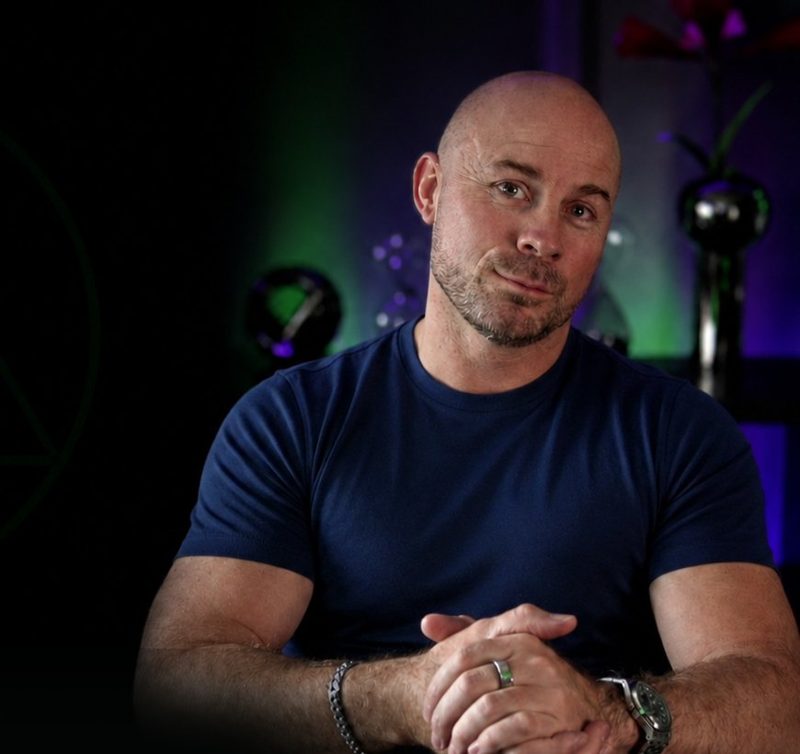
If you’ve tried to talk yourself out of this fear and it hasn’t worked, that isn’t a lack of willpower. A phobia is an alarm your mind learned, and logic alone rarely switches it off.
When I work with a fear of cats over Zoom, I start by finding the first moment your brain learned that cats were dangerous, which is often a sudden fright that happened very fast when you were small. Using hypnosis and NLP, we change how that memory is stored so it no longer sets off the alarm. Then we rehearse visiting a friend’s house or walking past a cat on a wall while your body stays calm. Many clients find cats go back to being just part of the scenery.
I’ve spent 17 years in clinical practice and helped more than 1,000 people with phobias. I hold a Postgraduate Certificate and a Postgraduate Diploma in Clinical Hypnotherapy, both with Distinction.
Common questions
Why am I scared of cats but not dogs?
Phobias are often linked to one specific early experience. Cats also move suddenly and quietly and can be harder to read than dogs, which can make them feel less predictable.
How do I visit a friend who has a cat?
Let your friend know in advance and ask if the cat can stay in another room at first. Many people then build up slowly, with slow breathing to stay settled.
Will I always be afraid of cats?
Not necessarily. Animal phobias usually respond well to help, and gradual, well-paced work on the fear allows many people to feel calm around cats again.
Where does it come from?
Usually a childhood scratch, a cat leaping out unexpectedly, or growing up around someone who feared cats.
How do sessions work?
I use hypnotherapy and NLP to change how your mind responds to cats. Sessions are one to one over Zoom, and you get a recording of the hypnosis to listen to afterwards.
How many sessions will I need?
Many clients notice a real difference after one 90 minute session. If the fear goes back a long way, three sessions gives us room to make the change stick.
Further reading: Cleveland Clinic: Ailurophobia (fear of cats) · Psych Central: Ailurophobia · NHS: Phobias
Ready to start?
A short call is the simplest next step. We’ll talk about your fear, what you’d like to feel instead, and whether I’m the right person to help.
- Take the free test at the top of this page to see how strong your fear is.
- Book a 30 minute call. Use code PHOBIA at checkout for half price: £24.50 instead of £49 ($29.50 outside the UK).
- Start your sessions over Zoom from wherever you live, or face to face in Hertfordshire.
See all session options and prices