
Fear of cemeteries (coimetrophobia)
En español: lee sobre este miedo en Fobias.org.
Coimetrophobia is a fear of cemeteries and graveyards. It might mean taking long detours to avoid walking past one, feeling uneasy at a burial, or finding it hard to visit the grave of someone you have lost. For many it is less about the place and more about the feelings it brings up.
Many people find that with the right help, they can walk past a graveyard or visit a loved one’s grave feeling calm.
Use code PHOBIA at checkout for half price: £24.50 instead of £49. Outside the UK? $29.50.
About this phobia
The word comes from the Greek koimeterion, meaning a sleeping place, which is also the root of the English word cemetery. It is uncommon as a clinical term. It is closely linked to thanatophobia, the fear of death, and to fears of ghosts and the supernatural.
How it shows up
Coimetrophobia often brings a mix of fear and sadness. Walking past rows of headstones may stir thoughts of death, loss or the supernatural, and some people feel a strong urge to hurry past or cross the road. For those who have lost someone, it can make visiting a grave very hard, even when part of them wants to go. It goes beyond a passing chill because it shapes routes, plans and how people grieve.
Common triggers
- Headstones and graves
- Funerals and burials
- Churchyards at dusk
- Stories about ghosts and hauntings
- Anniversaries of a loss
- Cemeteries in films and TV
- Hearses and funeral processions
Where it shows up
- Churchyards and cemeteries
- Funerals
- Routes that pass a graveyard
- Old churches and crypts
- Historic sites and guided tours
- Memorial services
Symptoms
In your body
- Chills or goosebumps
- Tight chest
- Racing heart
- Heavy, drained feeling
- Trouble sleeping after a visit
In your mind
- Thoughts about death and dying
- Fear of ghosts or spirits
- Sadness or grief rising up
- Imagining what lies beneath the ground
What you might do
- Taking long detours
- Avoiding funerals or grave visits
- Staying away from old churches
- Keeping eyes down when passing
What may cause it
Cemeteries bring up some of the biggest human fears, including death and the unknown, so it is natural for some people to feel uneasy there. A loss, a frightening story or a scary film can deepen that unease into a phobia. For some the fear is closely tied to grief that has not yet had a chance to settle. Coimetrophobia has little research of its own and is usually understood alongside fear of death.
How it can affect your life
Missing a funeral or being unable to visit a grave can bring guilt and make grieving harder. Daily routes may change, and family gatherings around a loss can feel overwhelming. Some people also find it hard to watch films or read books that feature graveyards or funerals.
Related fears
- Fear of death (thanatophobia)
- Fear of ghosts (phasmophobia)
- Fear of dead bodies (necrophobia)
- Fear of funerals and loss
Things that can help day to day
- Visit a cemetery in daylight with someone you trust, starting at the gate
- Bring something to focus on, such as flowers or a letter, if visiting a loved one
- Read about the history of a local churchyard, which can make it feel calmer
- Let yourself feel sad without rushing away
When to get help
If grief feels stuck or the fear is stopping you saying goodbye to someone, your GP or a bereavement service can help. Support is also worthwhile if the fear is shaping your daily life.
Explore more unusual fears in the rare phobias A to Z, or browse the common phobias.
About me
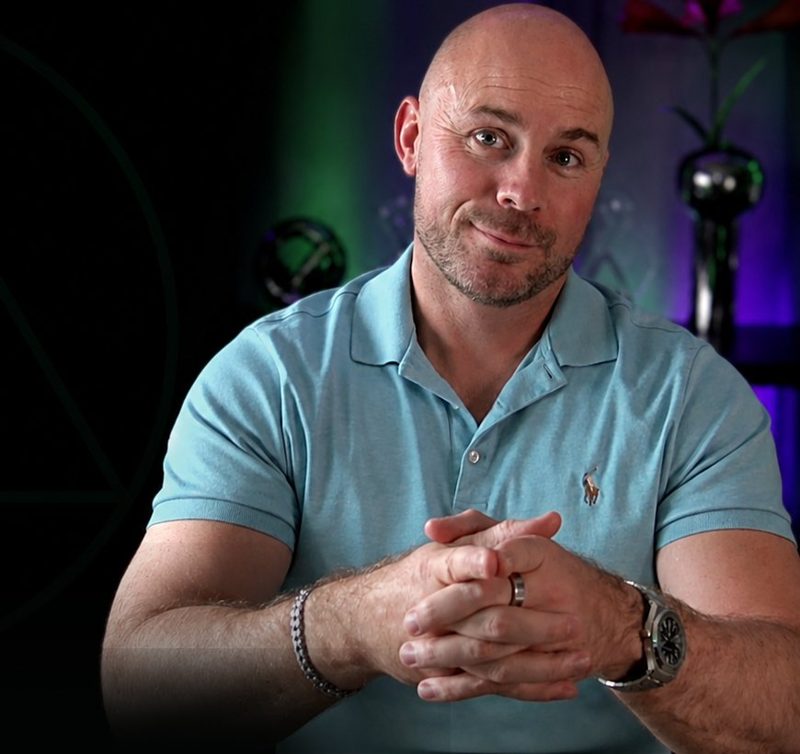
If you’ve tried to talk yourself out of this fear and it hasn’t worked, that isn’t a lack of willpower. A phobia is an alarm your mind learned, and logic alone rarely switches it off.
When a fear is less common, it can be harder to explain, so you may not have told many people about it. I work one to one over Zoom with people whose fears are holding them back, including rarer ones like this, and every plan starts with understanding what your fear is really about.
I’ve spent 17 years in clinical practice and helped more than 1,000 people with phobias. I hold a Postgraduate Certificate and a Postgraduate Diploma in Clinical Hypnotherapy, both with Distinction, and journalists and clients call me the Phobia Guru.
Common questions
Is it normal to feel uneasy in a cemetery?
A little unease is very common, as cemeteries remind us of loss. It becomes more of a problem when it stops you saying goodbye to someone or visiting a grave that matters to you. If grief is part of the picture, bereavement support can help alongside work on the fear.
How can you help?
I use hypnotherapy and NLP to change how your mind responds to the thing you fear, so the old alarm stops going off. Sessions are one to one over Zoom, and you get a recording of the hypnosis to listen to afterwards.
How many sessions will I need?
Many clients notice a real difference after one 90 minute session. If the fear goes back a long way, three sessions gives us room to make the change stick.
Further reading: Simply Psychology: Thanatophobia · Healthline: Thanatophobia · NHS: Phobias
Ready to start?
A short call is the simplest next step. We’ll talk about your fear, what you’d like to feel instead, and whether I’m the right person to help.
- Take the free test at the top of this page to see how strong your fear is.
- Book a 30 minute call. Use code PHOBIA at checkout for half price: £24.50 instead of £49 ($29.50 outside the UK).
- Start your sessions over Zoom from wherever you live, or face to face in Hertfordshire.
See all session options and prices