
Fear of challenges to doctrine (heresyphobia)
Heresyphobia is a fear of ideas that challenge official doctrine. It can show up as anxiety when hearing views that go against a faith, a party line or an organisation’s teaching, or as fear of having such thoughts yourself. Some people avoid books, conversations or online content in case they come across them.
About this phobia
The word joins the English heresy with phobia, and it is a rarely reported term found mostly on lists. It is not a clinical diagnosis. It overlaps with hamartophobia, the fear of sinning, and with ideophobia, the fear of ideas.
How it shows up
Most people feel uncomfortable when their deepest beliefs are questioned. Heresyphobia turns that discomfort into fear: hearing a dissenting view, reading an opposing argument or having a stray doubt can feel dangerous. Some people fear what a group might do, such as shunning them, while others fear their own thoughts are a betrayal. It differs from strong conviction because it shuts down curiosity and brings real anxiety.
Common triggers
- Debates on faith or politics
- Books or videos questioning core beliefs
- Doubts that pop into your head
- Friends leaving a group or faith
- Being asked to explain your beliefs
- Awkward questions from children
- Satire or jokes about beliefs
Where it shows up
- Religious or political meetings
- Online forums and comment sections
- Universities and classrooms
- Family dinners
- Workplaces with mixed views
- Social media feeds
Symptoms
In your body
- Racing heart
- Feeling hot or flushed
- Tight jaw
- Unsettled stomach
- Trouble sleeping after a debate
In your mind
- Fear of being led astray
- Guilt about doubts
- All or nothing thinking
What you might do
- Avoiding books, sites or people with other views
- Ending conversations abruptly
- Seeking reassurance from leaders
- Hiding doubts from others
What may cause it
There is no clinical research on heresyphobia as such, but it is most likely to grow in settings where questioning was discouraged or punished, or where leaving meant losing family and friends. When belonging depends on agreeing, a new idea can feel like a threat to safety rather than just a difference of opinion. In some people, fear of their own doubting thoughts may overlap with scrupulosity. Avoidance then keeps it in place, because there is never a chance to find that faith or loyalty can survive hearing another view.
How it can affect your life
The fear can narrow friendships and limit study and work, especially in fields where debate is normal. It can cause strain in families where members hold different views. Some people feel trapped, unable to explore questions that matter deeply to them.
Related fears
- Fear of ideas (ideophobia)
- Fear of sinning (hamartophobia)
- Fear of change (metathesiophobia)
- Religious scrupulosity
Things that can help day to day
- Read or listen to a different view in small doses, without needing to agree
- Remind yourself that hearing an idea is not the same as accepting it
- Talk to someone open-minded who will not judge your questions
- Write your own beliefs down in your own words
When to get help
If fear of challenging ideas is causing distress, or is linked to control or mistreatment within a group, a GP or specialist counsellor can help. Your GP can refer you for talking therapy.
Explore more unusual fears in the rare phobias A to Z, or browse the common phobias.
About me
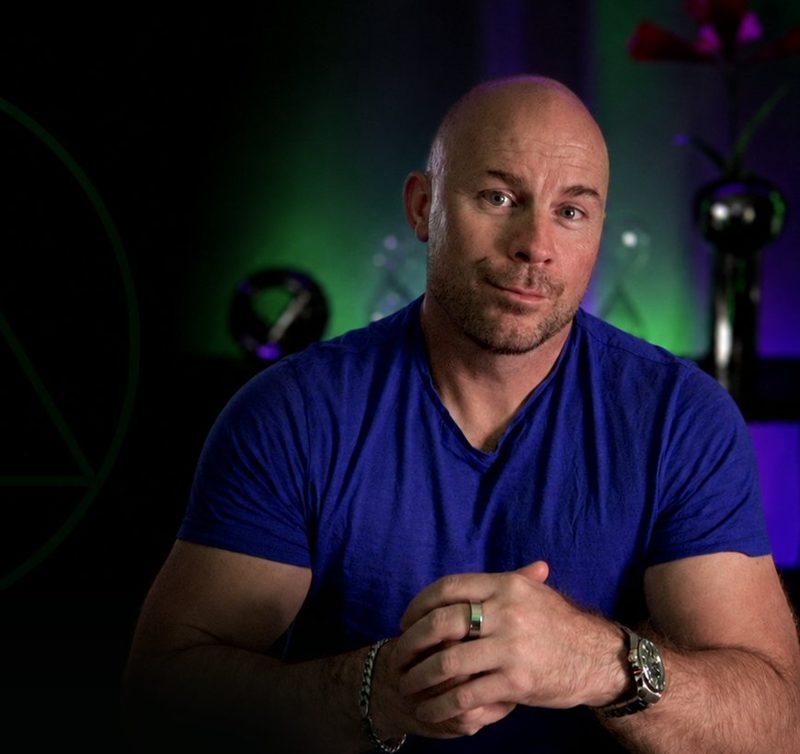
I am Adam Cox, a clinical hypnotherapist with more than 20 years of experience, and journalists and clients call me the Phobia Guru. I work one to one over Zoom with people whose fears are holding them back, including rarer ones like this. Every plan starts with understanding what your fear is really about.
Common questions
Is it a phobia to avoid ideas that challenge your beliefs?
Not usually. Many people prefer to stay within their own views, and that is a matter of choice. It becomes more like a fear when doubting thoughts cause real distress, guilt or panic, and that is something a counsellor can help with.
How can you help?
I use hypnotherapy and NLP to change how your mind responds to the thing you fear, so the old alarm stops going off. Sessions are one to one over Zoom, and you get a recording of the hypnosis to listen to afterwards.
How many sessions will I need?
Many clients notice a real difference after one 90 minute session. If the fear goes back a long way, three sessions gives us room to make the change stick.
Further reading: IOCDF: What is OCD and scrupulosity · Medical News Today: Fear of change · NHS: Phobias
Ready to start?
Book a £49 consultation call and we’ll talk through your fear, or take the free suitability test first.
See all session options and prices
Hypnosis downloads for this fear
Prefer to start on your own? This recorded session from my store is £9.99 and yours to keep.
