
Fear of change (metathesiophobia)
En español: lee sobre este miedo en Fobias.org.
A fear of change can show up when you face a new job, a move, a break-up or even a small change to your routine. It can leave you feeling stuck, even when you know change might be good for you. It can be helped.
Many people find that with the right help, a new job, a move or a change of routine feels less frightening and more like a fresh start.
Use code PHOBIA at checkout for half price: £24.50 instead of £49. Outside the UK? $29.50.
Understanding this fear
Metathesiophobia is an intense fear of change that can leave you frozen even when part of you wants things to be different. Most people feel a bit uneasy before a big move or a new job, then adjust. With this fear the unease turns into dread, overthinking and avoidance, sometimes over quite small changes. You may stay in a job, home or relationship that no longer suits you simply because leaving feels too frightening.
Feeling wary of change is very human, and a fear of change is not a mental illness in its own right. It becomes a problem when it starts to block chances, growth or healthy relationships, or when it sits alongside wider anxiety. It can affect anyone, but it often grows after a change that went badly, such as a redundancy, a house move that fell through or a painful break-up. It can link to a strong need for control and to a dislike of uncertainty.
Common triggers
- A new job, promotion or restructure at work
- Moving house or area
- A relationship starting or ending
- Children starting school or leaving home
- Changes to your daily routine
- Retirement
- New technology or systems at work
- Plans being changed at short notice
- Having to make a big decision
Where it shows up
- Workplaces going through a reorganisation
- Job interviews and first days
- Estate agents and new homes
- Family gatherings where plans are discussed
- Doctor or hospital appointments with news
- Lying awake at night going over choices
Symptoms
In your body
- Tight chest or a knot in the stomach
- Racing heart when change is mentioned
- Headaches from constant worry
- Poor sleep before a change
- Changes in appetite
- Restlessness and muscle tension
In your mind
- Expecting the worst with no evidence for it
- What if I make the wrong choice and lose everything
- Feeling safe only when things stay the same
- Going over the same decision again and again
- A sense of dread or loss about the future
What you might do
- Putting off decisions or leaving them to others
- Turning down new chances at work
- Sticking rigidly to the same routines
- Seeking reassurance from friends and family
- Finding reasons to undo a change already made
What causes it
Our brains are wired to prefer what is familiar, because a known situation feels safer than an unknown one, and the unknown can register as a threat. For some people this pull is much stronger, often because a past change led to real hardship, such as losing a job and struggling for money. Catastrophic thinking then fills the gap with worst case pictures. A strong need to predict and control outcomes can make any change feel dangerous, whether it is good or bad, planned or sudden. Each time you avoid a change, you get a moment of relief, which teaches the mind that staying put is the only safe option and makes the next change feel even harder.
How it can affect your life
A fear of change can quietly shape a whole life. People stay in jobs they have outgrown, turn down promotions or avoid moving closer to family because the leap feels too much. Relationships can suffer if a partner wants to plan for the future and you keep holding back. Over time this can lead to regret and a feeling of being stuck, even when on paper everything looks fine.
Things that can help day to day
- Practise tiny changes, such as a new route to the shops or a different breakfast
- Write down the worst, best and most likely outcome of a change you face
- Find out as much as you can about the change so it feels less unknown
- Break a big change into small steps with dates
- Use slow breathing when your mind starts racing ahead
When to get help
It is worth getting help if the fear is stopping you taking chances you want, keeping you in situations that make you unhappy, or causing constant worry and poor sleep. If anxiety is affecting your daily life, your GP is a good first port of call. If you are feeling very low, please speak to your GP or call Samaritans on 116 123.
How I can help
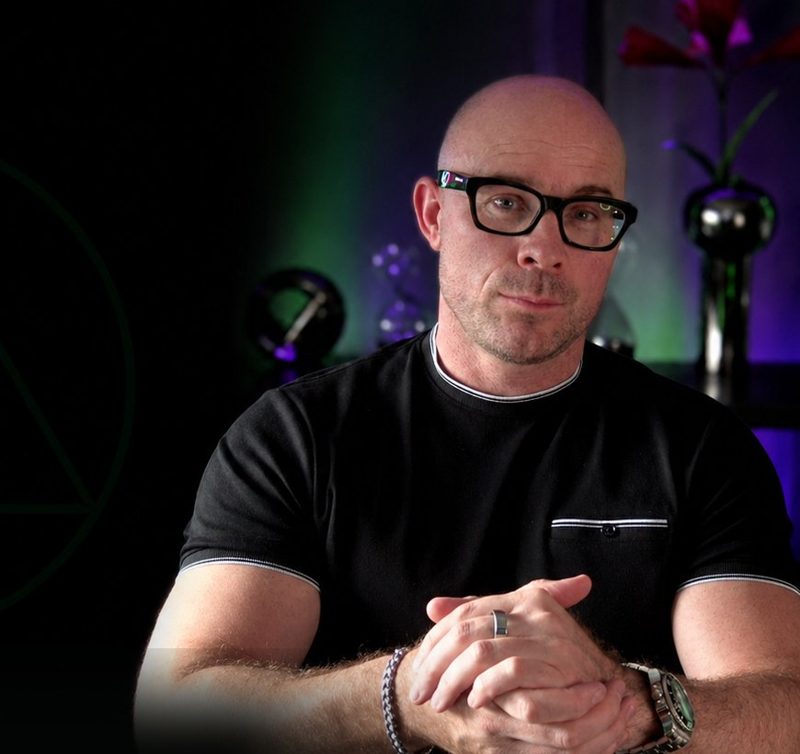
If you’ve tried to talk yourself out of this fear and it hasn’t worked, that isn’t a lack of willpower. A phobia is an alarm your mind learned, and logic alone rarely switches it off.
When I work with a fear of change over Zoom, we begin by finding out what the change really means to you, because it is usually about what might be lost rather than the change itself. Using hypnotherapy and NLP, we look at earlier changes that went badly and help the mind stop using them as proof that every change ends the same way. We then rehearse the next step in your mind, feeling steady and curious instead of braced for disaster. Many clients find decisions become lighter, and they start to trust themselves to cope with whatever comes.
I’ve spent 17 years in clinical practice and helped more than 1,000 people with phobias. I hold a Postgraduate Certificate and a Postgraduate Diploma in Clinical Hypnotherapy, both with Distinction.
Common questions
Why am I afraid of change even when it is good?
Good change still means leaving something familiar behind and facing the unknown. The part of the mind that keeps you safe reacts to uncertainty, not to whether the change is positive.
Is a fear of change a sign of anxiety?
On its own it is not a mental health condition, and most people feel some unease. If it is intense, lasts a long time and affects your life, it may be part of wider anxiety, and it is worth talking to your GP.
How do I stop overthinking a big decision?
Set a time limit for thinking it through and write your thoughts down rather than going over them in your head. Talking it over with one trusted person, then taking one small step, can break the loop.
Is this the same as fear of new things?
No. A fear of anything new is called neophobia. A fear of change is about leaving something familiar behind, and what might be lost or go wrong as a result.
How can you help?
I use hypnotherapy and NLP to change how your mind responds to the thing you fear, so the old alarm stops going off. Sessions are one to one over Zoom, and you get a recording of the hypnosis to listen to afterwards.
How many sessions will I need?
Many clients notice a real difference after one 90 minute session. If the fear goes back a long way, three sessions gives us room to make the change stick.
Further reading: Medical News Today: Fear of change · Calm: How to overcome the fear of change · NHS: Phobias
Ready to start?
A short call is the simplest next step. We’ll talk about your fear, what you’d like to feel instead, and whether I’m the right person to help.
- Take the free test at the top of this page to see how strong your fear is.
- Book a 30 minute call. Use code PHOBIA at checkout for half price: £24.50 instead of £49 ($29.50 outside the UK).
- Start your sessions over Zoom from wherever you live, or face to face in Hertfordshire.
See all session options and prices