
Fear of cheese (turophobia)
En español: lee sobre este miedo en Fobias.org.
Turophobia is a fear of cheese. It can mean picking cheese off meals, avoiding pizza nights or cheese boards, or feeling uneasy at the smell of cheese in a shop or fridge.
Many people find that with the right help, a pizza night or a cheese board becomes something they can relax around.
Use code PHOBIA at checkout for half price: £24.50 instead of £49. Outside the UK? $29.50.
About this phobia
The name comes from the Greek tyros, meaning cheese, and it is an uncommon term that shows up mostly on lists and in light-hearted articles. For many people the reaction is closer to strong disgust than fear, often focused on smell or texture. It is different from a dairy allergy or intolerance, which are medical issues.
How it shows up
Plenty of people simply dislike cheese, and that is a matter of taste. Turophobia is when cheese brings real fear or intense revulsion, so that seeing it melting on a plate or catching its smell can spoil a meal or send someone out of the room. Some people can eat a dish once the cheese has been removed, while others cannot bear it nearby at all. It differs from dislike because it begins to limit where a person can eat and how they feel around food.
Common triggers
- The smell of strong cheese
- Melted or stringy cheese
- Blue veins in blue cheese
- Cheese boards at parties
- Pizza and pasta nights
- Cheese hidden in sandwiches or salads
Where it shows up
- Restaurants and pizzerias
- Supermarket cheese counters
- Dinner parties
- Office lunches
- Fridges shared with others
- Children’s parties
Symptoms
In your body
- Retching or nausea
- Tense stomach
- Strong urge to move away
- Skin crawling
- Feeling hot or flushed
In your mind
- Disgust that feels overwhelming
- Worry about cheese being hidden in food
- Embarrassment about the reaction
- Feeling judged as fussy
What you might do
- Picking cheese out of dishes
- Avoiding meals out
- Checking ingredients carefully
- Turning down invitations involving food
What may cause it
Turophobia is not well studied, and for many people it is closer to disgust than to fear. Smell and texture often play a big role, and a bad experience, such as feeling ill after eating cheese, can link the two. Sensory sensitivity can also make strong flavours and textures harder to cope with. Avoiding cheese entirely then keeps the reaction as strong as ever.
How it can affect your life
Social meals, takeaways and work lunches can become stressful, and people may feel awkward explaining the reaction. It can also limit choices when eating out with friends or family. Being labelled a fussy eater can feel dismissive when the reaction is genuinely strong.
Related fears
- Fear of food (cibophobia)
- Fear of trying new foods (food neophobia)
- Fear of vomiting (emetophobia)
- Sensory sensitivity
Things that can help day to day
- Let hosts know politely in advance
- Choose dishes where cheese is easy to avoid
- Notice disgust rising and falling without fighting it
- If you want to, try small steps such as sitting near cheese
When to get help
If the fear is limiting what you can eat, or you are eating much less than usual or losing weight, speak to your GP. A GP or therapist can also help if it is causing distress.
Explore more unusual fears in the rare phobias A to Z, or browse the common phobias.
About me
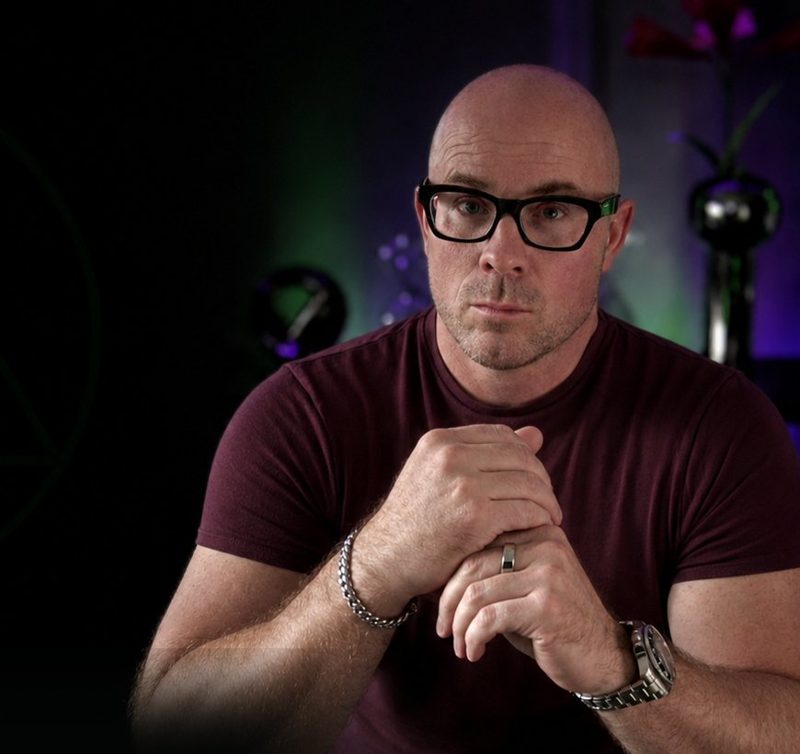
If you’ve tried to talk yourself out of this fear and it hasn’t worked, that isn’t a lack of willpower. A phobia is an alarm your mind learned, and logic alone rarely switches it off.
When a fear is less common, it can be harder to explain, so you may not have told many people about it. I work one to one over Zoom with people whose fears are holding them back, including rarer ones like this, and every plan starts with understanding what your fear is really about.
I’ve spent 17 years in clinical practice and helped more than 1,000 people with phobias. I hold a Postgraduate Certificate and a Postgraduate Diploma in Clinical Hypnotherapy, both with Distinction, and journalists and clients call me the Phobia Guru.
Common questions
Is it fussy eating or a real phobia?
A dislike of cheese is common and harmless. It may be a phobia if the reaction involves panic, or if avoiding cheese affects social life or eating out. If it means eating much less or losing weight, speak to a GP.
How can you help?
I use hypnotherapy and NLP to change how your mind responds to the thing you fear, so the old alarm stops going off. Sessions are one to one over Zoom, and you get a recording of the hypnosis to listen to afterwards.
How many sessions will I need?
Many clients notice a real difference after one 90 minute session. If the fear goes back a long way, three sessions gives us room to make the change stick.
Further reading: Healthline: Cibophobia (fear of food) · NHS: Phobias
Ready to start?
A short call is the simplest next step. We’ll talk about your fear, what you’d like to feel instead, and whether I’m the right person to help.
- Take the free test at the top of this page to see how strong your fear is.
- Book a 30 minute call. Use code PHOBIA at checkout for half price: £24.50 instead of £49 ($29.50 outside the UK).
- Start your sessions over Zoom from wherever you live, or face to face in Hertfordshire.
See all session options and prices