
Fear of chickens (alektorophobia)
En español: lee sobre este miedo en Fobias.org.
A fear of chickens can show up on farms, in gardens, at petting zoos and even at the sight of a feather. It is an unusual fear, but it is very real to the person who has it, and it can be helped.
Many people find that with the right help, a farm visit, a garden or a petting zoo becomes something they can enjoy.
Use code PHOBIA at checkout for half price: £24.50 instead of £49. Outside the UK? $29.50.
Understanding this fear
Alektorophobia is an intense fear of chickens, hens and cockerels. It is not the same as finding them noisy or messy. The fear is far bigger than any real threat a chicken poses, and it can be set off by seeing one, hearing one, or even looking at a picture. It is usually specific to chickens rather than all birds, though some people find other poultry difficult too.
It is described as rare, but because people often keep it to themselves, nobody knows how many have it. Like many animal phobias, it often begins in childhood, sometimes before the age of 10. Children who grew up in the countryside, had a scary moment with a hen, or have a parent with the same fear seem more likely to develop it. Some people cannot remember how it started at all.
Common triggers
- Sudden flapping wings
- A chicken running towards you
- Being pecked or chased
- A cockerel crowing nearby
- Loose feathers on the ground
- Beady eyes and quick, jerky head movements
- Pictures or videos of chickens
- Hearing someone talk about keeping hens
Where it shows up
- Farms and farm shops
- Petting zoos and city farms
- Neighbours’ gardens with hens
- Country walks and campsites
- Allotments
- Markets and village fairs
- Holiday cottages and smallholdings
Symptoms
In your body
- Pounding heart
- Sweating
- Shaking or trembling
- Tight chest or shallow breathing
- Dizziness
- Feeling sick or a knotted stomach
In your mind
- It is going to fly at my face
- I cannot stand not knowing which way it will move
- Strong dread before a visit to the countryside
- Embarrassment that a small bird scares you
- Feeling trapped if a hen is between you and the gate
What you might do
- Turning down invitations to farms or to friends who keep hens
- Checking gardens and fields before going in
- Walking a long way round to avoid a flock
- Freezing, screaming or running if one comes close
- Switching off TV programmes that show chickens
- In children, clinging to a parent, crying or tantrums
What causes it
Many people trace it to one frightening moment, often in childhood, such as being pecked, chased or startled by a hen flapping close to their face. The amygdala, the part of the brain that stores emotional memories, keeps a record of that fear, so seeing a chicken later brings the same feeling straight back. Fears can also be picked up from a parent who reacts strongly to birds. Chickens move in quick, unpredictable ways, which may make them easier for the mind to read as a threat. Each time you avoid them, the relief reinforces the idea that you had a lucky escape.
How it can affect your life
For some people this fear barely touches daily life, but for others it can rule out country walks, farm days with the children or visits to friends who keep hens. It may make you anxious about holidays in rural areas or even about going into a neighbour’s garden. Parents often worry about passing it on, and the embarrassment can stop people talking about it. Like other untreated phobias, it can add to general anxiety and low mood over time.
Things that can help day to day
- Practise slow breathing, with the out breath longer than the in breath, when you think about chickens
- Start by looking at simple drawings or cartoons before moving on to photos
- Notice catastrophic thoughts and remind yourself what a hen is actually likely to do
- Plan visits to places with hens alongside a calm friend, with a clear way out
- If you are a parent, stay calm around animals so your children do not pick up the fear
When to get help
It is worth getting help if the fear stops you doing things you want to do, such as family outings, or if it brings on panic attacks. It is also worth acting if a child’s fear is getting stronger rather than fading. If anxiety is affecting your daily life, your GP is a good first port of call.
How I can help
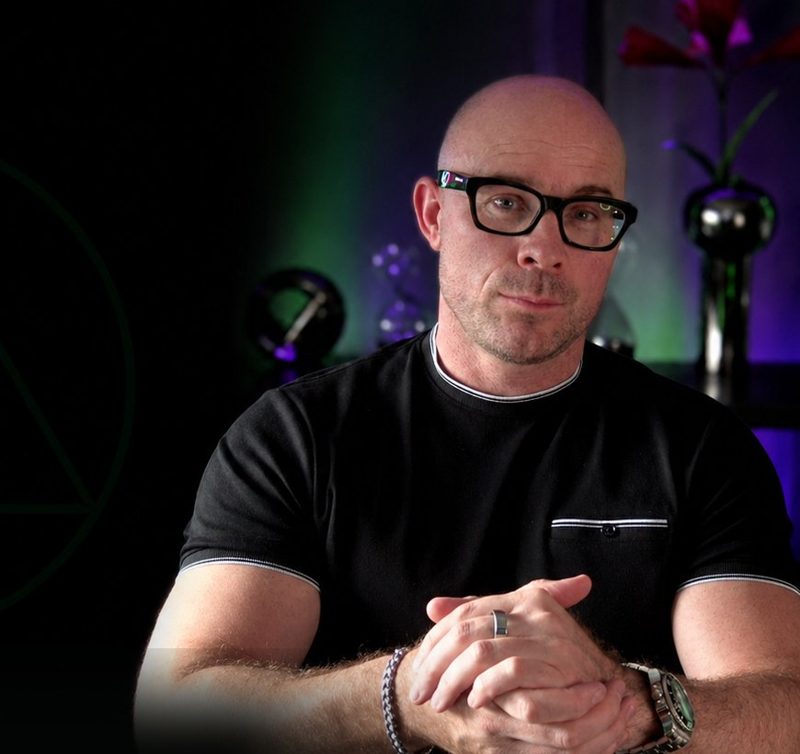
If you’ve tried to talk yourself out of this fear and it hasn’t worked, that isn’t a lack of willpower. A phobia is an alarm your mind learned, and logic alone rarely switches it off.
When someone comes to me with a fear of chickens, I want to know what the fear is really about, because for some it is the flapping, for others the pecking, and for many it goes back to one moment they have half forgotten. With hypnotherapy and NLP over Zoom, we gently revisit that moment so it stops feeling as if it is happening now. Then we rehearse being near hens in your mind, calmly and at a pace that feels comfortable. Many clients find that the automatic alarm switches down and they can visit a farm or a friend’s garden with far less tension. You get a recording of the hypnosis to keep listening to between sessions.
I’ve spent 17 years in clinical practice and helped more than 1,000 people with phobias. I hold a Postgraduate Certificate and a Postgraduate Diploma in Clinical Hypnotherapy, both with Distinction.
Common questions
Is a fear of chickens the same as a fear of birds?
Not usually. Alektorophobia is specific to chickens, hens and cockerels, while a fear of birds in general is called ornithophobia. Some people have both, so it helps to look at exactly what sets you off.
Can children grow out of a fear of chickens?
Many childhood fears do fade with time, especially if adults stay calm and do not force contact. If the fear is getting worse, causing tantrums or stopping family activities, it is worth getting support.
Why does a picture of a chicken make me panic?
The brain stores fear in a way that responds to reminders, not just to the real thing. A picture can be enough to switch on the alarm, which is why many people start with images when working on the fear.
Is it silly to be afraid of chickens?
Not at all. Birds move quickly and unpredictably, and it only takes one scary moment, often in childhood, for the fear to take hold. It is less common than some fears, but it is nothing to be ashamed of.
How can you help?
I use hypnotherapy and NLP to change how your mind responds to the thing you fear, so the old alarm stops going off. Sessions are one to one over Zoom, and you get a recording of the hypnosis to listen to afterwards.
How many sessions will I need?
Many clients notice a real difference after one 90 minute session. If the fear goes back a long way, three sessions gives us room to make the change stick.
Further reading: Cleveland Clinic: Alektorophobia · Healthline: Alektorophobia · NHS: Phobias
Ready to start?
A short call is the simplest next step. We’ll talk about your fear, what you’d like to feel instead, and whether I’m the right person to help.
- Take the free test at the top of this page to see how strong your fear is.
- Book a 30 minute call. Use code PHOBIA at checkout for half price: £24.50 instead of £49 ($29.50 outside the UK).
- Start your sessions over Zoom from wherever you live, or face to face in Hertfordshire.
See all session options and prices