
Fear of chins (geniophobia)
Geniophobia is a fear of chins. It may show up as discomfort looking at faces, a strong dislike of a particular chin shape, or unease about your own chin. Because faces are everywhere, even a small fear like this can make conversations or photos feel awkward.
Many people find that with the right help, faces become comfortable to look at again, chins and all.
Use code PHOBIA at checkout for half price: £24.50 instead of £49. Outside the UK? $29.50.
About this phobia
The term draws on the Greek geneion, meaning chin, which also gives the anatomical prefix genio. It appears mainly on lists of unusual fears and has very little clinical documentation. Worry focused on your own chin can sometimes be more about appearance anxiety than fear in the usual sense.
How it shows up
Disliking a certain feature is common, but geniophobia can bring real discomfort when looking at people. Someone may find their eyes pulled towards chins and then feel a wave of unease, or they may dread face-to-face chats and video calls. When the focus is their own chin, they may keep a hand over it in photos or avoid mirrors. The strength of the reaction, and how hard it is to ignore, is what marks it out from a simple preference.
Common triggers
- Close-up photos of faces
- Prominent, pointed or dimpled chins
- Your own chin in mirrors or selfies
- Video calls with the camera at a low angle
- Beards that draw attention to the chin
- Being touched on the face
Where it shows up
- Video calls for work or family
- Barbers and hairdressers with large mirrors
- Weddings, parties and photo sessions
- Close conversations across a table
Symptoms
In your body
- Queasy stomach
- Prickly skin or shivers
- Racing heartbeat
- Tense face and neck
In your mind
- Fixating on chins during a conversation
- Feeling disgust or unease
- Worry that others will notice your reaction
What you might do
- Looking away from people’s faces
- Turning cameras off on calls
- Covering your own chin
- Avoiding photos
What may cause it
There is no clinical research on geniophobia, so its causes are not known. Like other specific fears, it may start after an upsetting memory, such as an injury or a frightening face in a film, and then be kept going by avoidance. For some people the feeling is closer to disgust than fear, which tends to work in a similar way. Where the worry is mostly about your own chin, it can overlap with body dysmorphic disorder, where a small or unseen flaw feels huge.
How it can affect your life
Because faces are part of almost every interaction, this fear can make meetings, dates and family time tiring. It may lead to fewer photos and missed events. Where it centres on your own chin, it can slowly wear down confidence.
Related fears
- Fear of beards (pogonophobia)
- Fear of being looked at (scopophobia)
- Social anxiety
- Body dysmorphic disorder
Things that can help day to day
- Look at faces in neutral photos for short spells and notice the feeling fade
- Focus on a person’s eyes or voice during conversations
- Keep camera angles level on video calls
- Cut back on mirror checking if your own chin is the focus
When to get help
If the fear is affecting work or relationships, or worry about your own appearance takes up a lot of each day, speak to your GP. They can refer you for talking therapy.
Explore more unusual fears in the rare phobias A to Z, or browse the common phobias.
About me
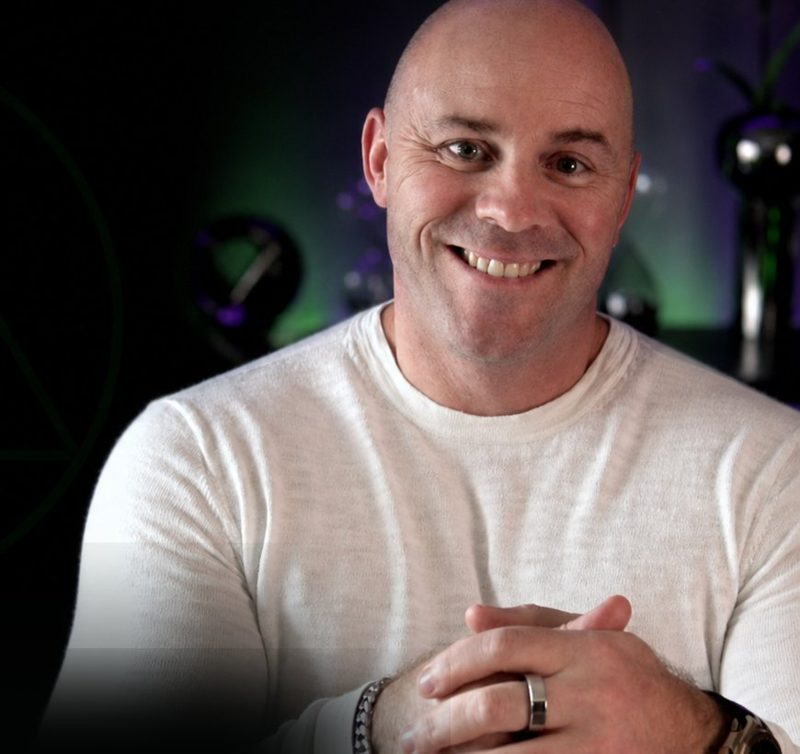
If you’ve tried to talk yourself out of this fear and it hasn’t worked, that isn’t a lack of willpower. A phobia is an alarm your mind learned, and logic alone rarely switches it off.
When a fear is less common, it can be harder to explain, so you may not have told many people about it. I work one to one over Zoom with people whose fears are holding them back, including rarer ones like this, and every plan starts with understanding what your fear is really about.
I’ve spent 17 years in clinical practice and helped more than 1,000 people with phobias. I hold a Postgraduate Certificate and a Postgraduate Diploma in Clinical Hypnotherapy, both with Distinction, and journalists and clients call me the Phobia Guru.
Common questions
Can you really be afraid of a body part?
Yes. Fears can attach to almost anything, including particular body parts, and the reaction is real even when the trigger seems unusual. If the focus is mainly on your own appearance and it causes a lot of distress, a GP can help with that too.
How can you help?
I use hypnotherapy and NLP to change how your mind responds to the thing you fear, so the old alarm stops going off. Sessions are one to one over Zoom, and you get a recording of the hypnosis to listen to afterwards.
How many sessions will I need?
Many clients notice a real difference after one 90 minute session. If the fear goes back a long way, three sessions gives us room to make the change stick.
Further reading: Healthline: Scopophobia · NHS: Body dysmorphic disorder · NHS: Social anxiety
Ready to start?
A short call is the simplest next step. We’ll talk about your fear, what you’d like to feel instead, and whether I’m the right person to help.
- Take the free test at the top of this page to see how strong your fear is.
- Book a 30 minute call. Use code PHOBIA at checkout for half price: £24.50 instead of £49 ($29.50 outside the UK).
- Start your sessions over Zoom from wherever you live, or face to face in Hertfordshire.
See all session options and prices