
Fear of choking (pseudodysphagia)
En español: lee sobre este miedo en Fobias.org.
A fear of choking can show up at mealtimes, with tablets, or even when swallowing your own saliva. It often begins after a choking scare, and it can be helped.
Many people find that with the right help, meals and tablets become calmer, and they can eat with friends without watching every mouthful.
Use code PHOBIA at checkout for half price: £24.50 instead of £49. Outside the UK? $29.50.
Understanding this fear
A fear of choking, sometimes called pseudodysphagia or phagophobia, is a strong fear that food, drink, tablets or even your own saliva will get stuck and stop you breathing. Swallowing feels hard or unsafe, and once a doctor has ruled out a physical cause, the problem is understood to be the fear rather than the throat itself. Most people feel shaken after something goes down the wrong way, and the feeling fades. With this fear it stays, and meals turn into something to get through rather than enjoy.
It is thought to be fairly uncommon, though no one knows exactly how many people have it, and it seems to be reported more often in women. It often begins after a choking scare, especially at a stressful time in life, but it can start without one. Many people gradually cut out certain foods or avoid tablets, so their diet narrows. If you choke often or have real trouble swallowing, please see your GP first so any physical cause can be checked.
Common triggers
- Dry or chewy foods
- Swallowing tablets
- Eating in a hurry or when stressed
- Meals with other people watching
- A tickle or tight feeling in the throat
- Hearing about someone who choked
- Reminders of a past choking scare
- Foods with mixed textures
Where it shows up
- Restaurants and cafes
- Family meals and celebrations
- Work lunches and canteens
- School dinners
- Eating alone at home with no one nearby
- Taking prescribed medicines
- At the dentist
Symptoms
In your body
- A lump or tight feeling in the throat
- Dry mouth
- Racing heart
- Feeling sick or gagging
- Shallow breathing
- A tense jaw and neck
In your mind
- If I swallow this I will choke
- What if no one can help me
- Constant focus on the act of swallowing
- Dread before every meal
- Embarrassment about eating differently from others
What you might do
- Cutting out certain foods
- Avoiding tablets altogether
- Sipping a drink with every mouthful
- Chewing for a very long time before swallowing
- Avoiding eating in front of others
- Only eating when someone else is there
What causes it
A fear of choking often starts with a real scare, such as food going down the wrong way, especially if it happened during a stressful period. The mind links swallowing with danger, and from then on it watches every mouthful. Panic adds to this, because anxiety tightens the throat muscles and dries the mouth, which makes swallowing feel harder and seems to prove the fear right. Worry about health, or the illness of someone close, can also play a part. Avoiding foods, sticking to certain textures or always needing a drink brings relief, but it keeps the fear alive and can make the list of safe foods shrink over time.
How it can affect your life
This fear can take the pleasure out of eating and make social meals stressful, from family dinners to work lunches and dates. Many people quietly narrow what they eat, and some stop going out to eat at all. Avoiding tablets can make it harder to take medicines a doctor has prescribed. Over time it can affect mood, confidence and, if eating drops, physical health, which is why it is worth getting support.
Things that can help day to day
- See your GP to rule out a physical cause, so you know what you are dealing with
- Sit down to eat, without rushing or doing other things at the same time
- Use slow breathing before meals to relax your throat and shoulders
- Notice the what if thought and remind yourself it is a fear, not a fact
- If tablets are a struggle, ask your GP or pharmacist what other options there are
When to get help
Please see your GP first if you choke often, have real trouble swallowing or feel food is getting stuck, so any physical cause can be checked. It is also worth getting help if you are eating less, losing weight, cutting out more and more foods or avoiding prescribed tablets. Beat, the UK eating disorder charity, also supports people whose eating has become restricted because of fear. If your mood is very low, talk to your GP, or call Samaritans on 116 123 if you need to talk now.
How I can help
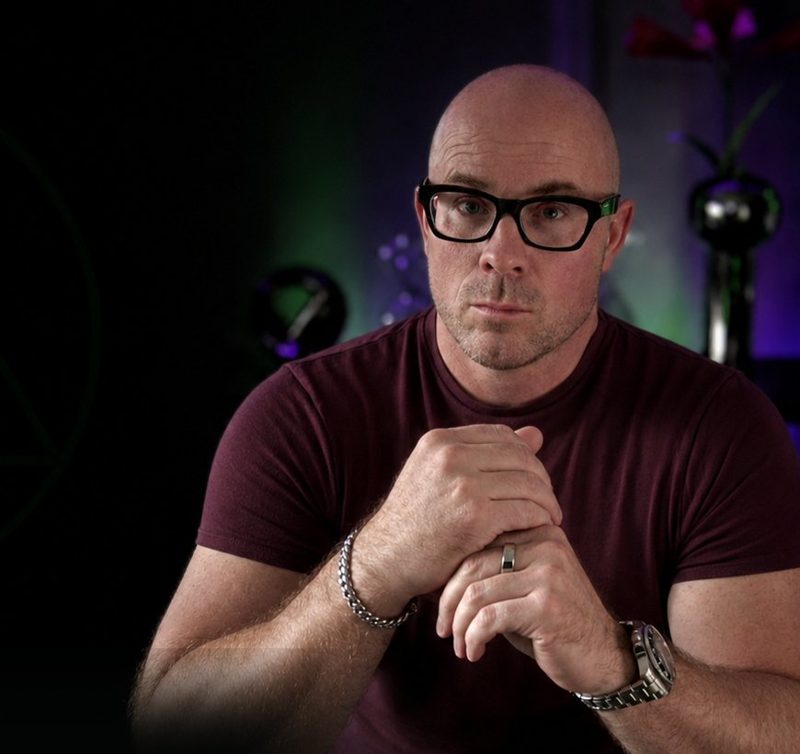
If you’ve tried to talk yourself out of this fear and it hasn’t worked, that isn’t a lack of willpower. A phobia is an alarm your mind learned, and logic alone rarely switches it off.
When I work with a fear of choking, I always want to know that your GP has checked for any physical cause first. Then we look at where the fear began, often a scare at a stressful time, and what your mind now expects to happen with each mouthful. Over Zoom, I use hypnotherapy and NLP to help your body relax around eating and to rehearse calm, ordinary meals in your mind, so swallowing can go back to being something you do without thinking. Many clients find mealtimes become less of a battle and that they start enjoying food with others again.
I’ve spent 17 years in clinical practice and helped more than 1,000 people with phobias. I hold a Postgraduate Certificate and a Postgraduate Diploma in Clinical Hypnotherapy, both with Distinction.
Please note: If you choke often or have real trouble swallowing, please see your GP first so any physical cause can be checked.
Common questions
Why does my throat feel tight when I am anxious?
Anxiety tenses the muscles in the neck and throat and can dry the mouth, which can make swallowing feel harder. This can feel like proof that something is wrong, so it is always worth seeing your GP to have it checked.
Can a fear of choking cause weight loss?
It can, because many people cut out foods or eat less to feel safe. If you are eating less or losing weight, please see your GP, and Beat can offer support too.
Can you get over a fear of choking after a choking incident?
Yes, many people do. A check with your GP first, then working on the fear itself, can help swallowing feel natural again.
Can a fear of choking limit what I eat?
Yes, it often does. Many people cut out certain foods or avoid pills altogether, and their diet gets smaller over time. The aim is to help your body feel safe with swallowing again, step by step.
How can you help?
I use hypnotherapy and NLP to change how your mind responds to the thing you fear, so the old alarm stops going off. Sessions are one to one over Zoom, and you get a recording of the hypnosis to listen to afterwards.
How many sessions will I need?
Many clients notice a real difference after one 90 minute session. If the fear goes back a long way, three sessions gives us room to make the change stick.
Further reading: BSCH: Phagophobia, fear of choking or swallowing · Discover Medicine: Psychogenic dysphagia case report · NHS: Phobias
Ready to start?
A short call is the simplest next step. We’ll talk about your fear, what you’d like to feel instead, and whether I’m the right person to help.
- Take the free test at the top of this page to see how strong your fear is.
- Book a 30 minute call. Use code PHOBIA at checkout for half price: £24.50 instead of £49 ($29.50 outside the UK).
- Start your sessions over Zoom from wherever you live, or face to face in Hertfordshire.
See all session options and prices