
Fear of cliff edges (cremnophobia)
Cremnophobia is a strong fear of precipices, such as cliff edges, sheer drops and steep quarry sides. Someone with this fear might avoid coastal paths, refuse to go near a viewpoint railing, or feel unsteady just watching a film shot from a clifftop.
Many people find that with the right help, a coastal path or a viewpoint becomes something they can enjoy with sensible care.
Use code PHOBIA at checkout for half price: £24.50 instead of £49. Outside the UK? $29.50.
About this phobia
The name comes from the Greek kremnos, meaning cliff. It is not a commonly used clinical term and appears mostly on lists of phobias. It sits close to acrophobia, the fear of heights, and many people who fear precipices would recognise themselves in that better-known word.
How it shows up
Most people feel a flicker of caution near a cliff edge, which settles once they step back onto firm ground. With cremnophobia that caution arrives early and loud, sometimes in the car park well before the drop is even in view, and it stays strong even when a solid fence is in place. Some people freeze and cannot move forwards or back, while others feel an urgent need to drop low or grab hold of something. Pictures, video footage and simply imagining the edge can be enough to set it off.
Common triggers
- Coastal paths with an open drop on one side
- Lookout platforms and viewpoints
- Quarry sides, gorges and ravines
- Clifftop scenes in films or online videos
- Children or pets wandering near an edge
- Strong wind on high open ground
Where it shows up
- Seaside walks and coastal holidays
- Hill and mountain trails
- Tourist sightseeing spots
- Roads that run beside a steep drop
- Travel and adventure programmes
Symptoms
In your body
- Racing heart
- Weak or shaky legs
- Dizziness or a feeling of swaying
- Sweaty palms
- Tight chest and quick breathing
In your mind
- Sudden fear of falling or being pulled over
- Vivid pictures of the worst happening
- Losing trust in your own balance
- Worry that builds for days before a trip
What you might do
- Keeping well back from any edge
- Crouching or gripping railings
- Choosing inland routes only
- Turning down trips to the coast or hills
What may cause it
Humans seem to have a natural wariness of sudden drops, and in cremnophobia that alarm appears to fire too easily and too strongly. A fall, a near miss or seeing someone else in danger near an edge can set it off, and so can frightening stories heard in childhood. Feeling a little unsteady near a drop is normal, but if it is read as proof of danger, the fear tends to grow each time. Almost nothing has been written about cremnophobia itself, so what is understood comes mainly from work on the fear of heights.
How it can affect your life
It can rule out coastal holidays, country walks and days out that friends and family look forward to, and some people steer clear of whole stretches of the UK because of the scenery. Family outings can feel tense when the person feels responsible for children or pets near a drop.
Related fears
- Fear of heights (acrophobia)
- Fear of falling (basophobia)
- Fear of dizziness or vertigo (illyngophobia)
Things that can help day to day
- Pick walks with a clear inland path or a solid barrier, and turn back whenever you choose
- Slow your breathing, making each out breath longer than the in breath
- Look at photos of coastlines at home in short sessions at your own pace
- Walk with a calm friend who knows about the fear and will not rush you
When to get help
If the fear is stopping you from enjoying holidays and days out, or you feel dizzy or unsteady in everyday life too, speak to your GP. A therapist experienced with phobias can help you work on it at a pace that feels safe.
Explore more unusual fears in the rare phobias A to Z, or browse the common phobias.
About me
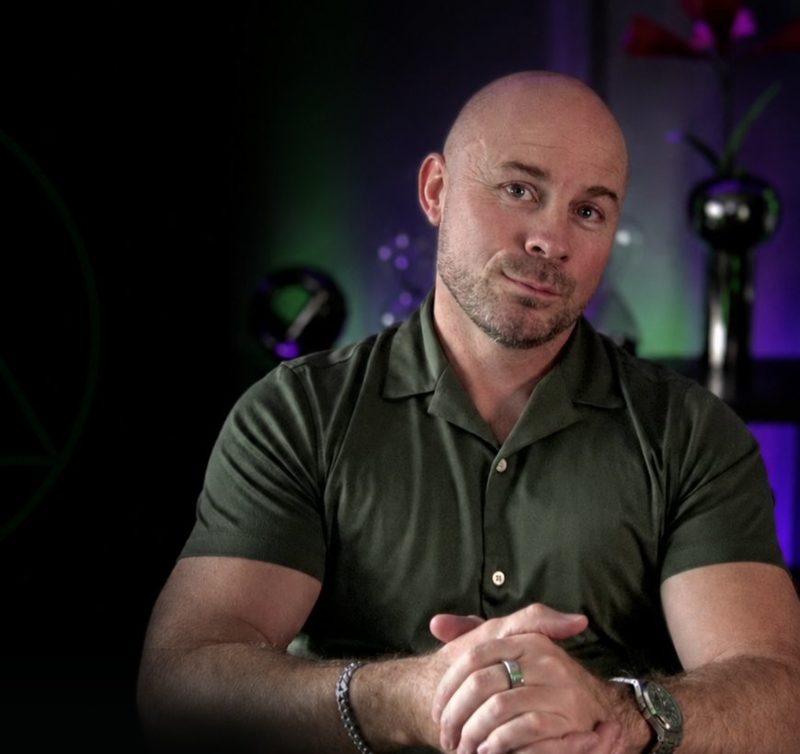
If you’ve tried to talk yourself out of this fear and it hasn’t worked, that isn’t a lack of willpower. A phobia is an alarm your mind learned, and logic alone rarely switches it off.
When a fear is less common, it can be harder to explain, so you may not have told many people about it. I work one to one over Zoom with people whose fears are holding them back, including rarer ones like this, and every plan starts with understanding what your fear is really about.
I’ve spent 17 years in clinical practice and helped more than 1,000 people with phobias. I hold a Postgraduate Certificate and a Postgraduate Diploma in Clinical Hypnotherapy, both with Distinction, and journalists and clients call me the Phobia Guru.
Common questions
Is cremnophobia the same as a fear of heights?
They overlap a great deal. A fear of heights can show up on ladders, balconies or tall buildings, while cremnophobia focuses on the sudden drop at the edge of land. Many people have elements of both.
How can you help?
I use hypnotherapy and NLP to change how your mind responds to the thing you fear, so the old alarm stops going off. Sessions are one to one over Zoom, and you get a recording of the hypnosis to listen to afterwards.
How many sessions will I need?
Many clients notice a real difference after one 90 minute session. If the fear goes back a long way, three sessions gives us room to make the change stick.
Further reading: Cremnophobia, A.Word.A.Day (Wordsmith.org)
Ready to start?
A short call is the simplest next step. We’ll talk about your fear, what you’d like to feel instead, and whether I’m the right person to help.
- Take the free test at the top of this page to see how strong your fear is.
- Book a 30 minute call. Use code PHOBIA at checkout for half price: £24.50 instead of £49 ($29.50 outside the UK).
- Start your sessions over Zoom from wherever you live, or face to face in Hertfordshire.
See all session options and prices