
Fear of clocks (chronomentrophobia)
Chronomentrophobia is a fear of clocks. It can be about the objects themselves, the ticking sound, or what clocks stand for, such as time running out. Some people cannot sleep in a room with a ticking clock, while others feel a rush of panic watching the seconds go by.
Many people find that with the right help, a ticking clock becomes background noise and time feels less pressing.
Use code PHOBIA at checkout for half price: £24.50 instead of £49. Outside the UK? $29.50.
About this phobia
The word draws on the Greek chronos, meaning time, and appears on several lists of unusual phobias, though it has little clinical documentation. It is close to chronophobia, a fear of time passing. For many people the clock is a reminder of deadlines, ageing or pressure rather than the real source of the fear.
How it shows up
For some people with chronomentrophobia, it is the ticking that gets under the skin, a steady sound that seems to grow louder in a quiet room. For others it is the clock face and what it stands for: deadlines, lateness and time slipping away. The fear can arrive as a sudden wave of panic or as a constant background unease. It differs from simply finding a clock annoying because it leads to avoidance and real distress.
Common triggers
- Ticking or chiming clocks
- Countdown timers
- Watching the second hand move
- Clocks in exam halls
- Alarm clocks
- The clocks going forward or back
- Smart watches buzzing with reminders
Where it shows up
- Bedrooms at night
- Exam rooms and classrooms
- Offices with wall clocks
- Waiting rooms
- Old houses and museums with chiming clocks
- Stations with large clock faces
Symptoms
In your body
- Racing heart
- Fast breathing
- Restlessness
- Trouble falling asleep
- Tight chest
In your mind
- Feeling that time is running out
- Worry about deadlines or getting older
- Thoughts locked onto the ticking
- Counting the seconds without meaning to
What you might do
- Removing clocks from rooms
- Using silent or digital displays only
- Avoiding checking the time
- Leaving rooms with loud clocks
What may cause it
Clocks are closely tied to pressure, from exams to work targets, so it is easy for them to become linked with stress. A clock ticking during a frightening or sad moment can also leave a lasting mark. For many people the clock stands in for deeper worries about time, ageing or not doing enough. There is little research on chronomentrophobia itself, and it is usually understood through general work on anxiety and specific phobias.
How it can affect your life
Sleep can be disturbed, and exams or deadline-heavy work can feel even harder. Some people put a lot of effort into keeping clocks out of sight, which others may find puzzling. Shared spaces such as offices and classrooms can feel tense when a ticking clock is hard to escape.
Related fears
- Fear of time passing (chronophobia)
- Fear of ageing (gerascophobia)
- Fear of failure (atychiphobia)
- Strong reaction to everyday sounds (misophonia)
Things that can help day to day
- Use a silent clock or a dimmed phone display at night
- Build some free, unscheduled time into your week
- Practise noticing the ticking and letting it fade into the background
- Break big deadlines into smaller steps so time feels less pressing
When to get help
If the fear is keeping you awake or making exams or work very hard, talk to your GP or a therapist. Ongoing worries about time and getting older are also worth talking through.
Explore more unusual fears in the rare phobias A to Z, or browse the common phobias.
About me
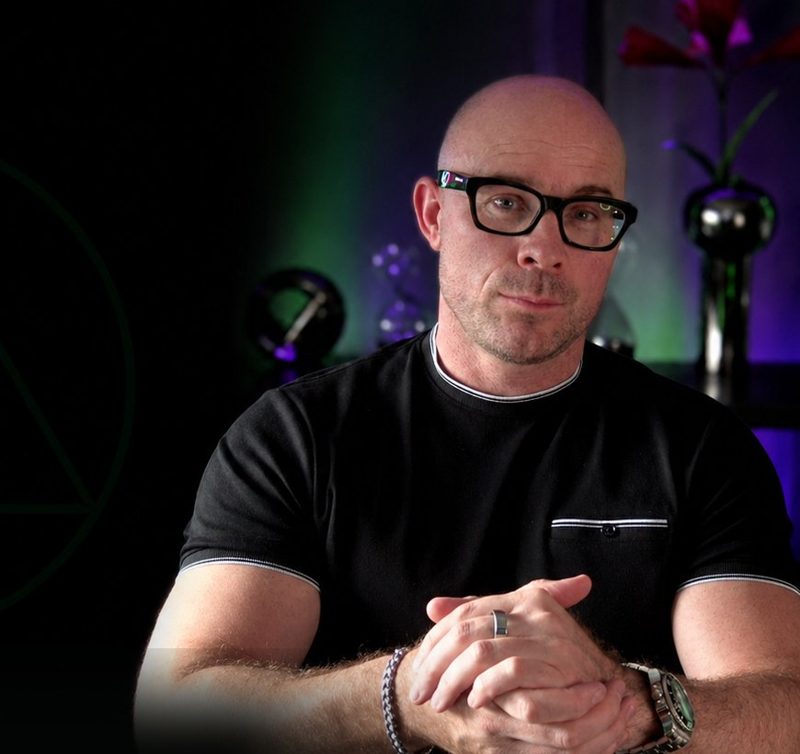
If you’ve tried to talk yourself out of this fear and it hasn’t worked, that isn’t a lack of willpower. A phobia is an alarm your mind learned, and logic alone rarely switches it off.
When a fear is less common, it can be harder to explain, so you may not have told many people about it. I work one to one over Zoom with people whose fears are holding them back, including rarer ones like this, and every plan starts with understanding what your fear is really about.
I’ve spent 17 years in clinical practice and helped more than 1,000 people with phobias. I hold a Postgraduate Certificate and a Postgraduate Diploma in Clinical Hypnotherapy, both with Distinction, and journalists and clients call me the Phobia Guru.
Common questions
Is this the same as a fear of time passing?
They often overlap. Chronophobia is the name given for a fear of time itself, while chronomentrophobia points to clocks and watches. Working out whether it is the object or what it stands for can help shape the right support.
How can you help?
I use hypnotherapy and NLP to change how your mind responds to the thing you fear, so the old alarm stops going off. Sessions are one to one over Zoom, and you get a recording of the hypnosis to listen to afterwards.
How many sessions will I need?
Many clients notice a real difference after one 90 minute session. If the fear goes back a long way, three sessions gives us room to make the change stick.
Further reading: Cleveland Clinic: Chronophobia · Cleveland Clinic: Misophonia · NHS: Phobias
Ready to start?
A short call is the simplest next step. We’ll talk about your fear, what you’d like to feel instead, and whether I’m the right person to help.
- Take the free test at the top of this page to see how strong your fear is.
- Book a 30 minute call. Use code PHOBIA at checkout for half price: £24.50 instead of £49 ($29.50 outside the UK).
- Start your sessions over Zoom from wherever you live, or face to face in Hertfordshire.
See all session options and prices