
Fear of cold and ice (cryophobia)
En español: lee sobre este miedo en Fobias.org.
Some people feel real dread around cold, ice and frost. With cryophobia, a frosty morning, an icy pavement or even reaching into a freezer can bring on anxiety, and winter itself may feel like something to get through rather than live in.
Many people find that with the right help, a frosty morning or an icy path becomes something they can handle calmly.
Use code PHOBIA at checkout for half price: £24.50 instead of £49. Outside the UK? $29.50.
About this phobia
Cryo comes from the Greek kryos, meaning icy cold. The word is rarely used in clinical settings, and several similar terms for fear of cold, such as frigophobia and cheimaphobia, appear on lists with overlapping meanings. Slipping on ice, being caught out in freezing weather or a past bad experience in winter can all feed into it.
How it shows up
Plenty of people dislike the cold, but cryophobia goes further than wishing for warmer weather. The fear can start with a forecast and build for days, and the body may react to cold air or ice as though facing real danger. Some people mainly fear slipping or being stranded somewhere freezing, while for others it is the feeling of cold on the skin that they cannot bear. It is often worse in the darker months, when cold is hard to get away from.
Common triggers
- Frost or ice on pavements and steps
- Snow forecasts and weather warnings
- Touching ice cubes or frozen food
- Cold wind or rain on bare skin
- Unheated rooms or a broken boiler
- Cold water in pools or the sea
Where it shows up
- Winter mornings and the commute
- Supermarket freezer aisles
- Ice rinks and winter markets
- School runs and outdoor sport in the cold
- Homes or offices that are hard to heat
Symptoms
In your body
- Shivering that feels out of proportion
- Tense muscles and hunched shoulders
- Racing heart
- Shallow breathing
- Feeling faint or queasy
In your mind
- Dread when the clocks go back
- Fear of slipping and getting hurt
- Worry about being stuck somewhere cold
- A sense that winter will never end
What you might do
- Staying indoors for long stretches
- Overheating rooms and wearing heavy layers
- Cancelling plans when frost is forecast
- Avoiding cold food, drinks or water
What may cause it
A bad fall on ice, being stranded in freezing weather or a frightening illness linked to the cold can all leave a lasting mark. For some people the fear grows from a general belief that cold is dangerous, sometimes picked up from anxious adults in childhood. Avoiding cold tends to keep the fear going, because the body never gets the chance to learn that a chilly day can be managed. There is little clinical writing on cryophobia, and a similar sounding term, frigophobia, is used for a quite different cultural pattern, so it is usually understood like any other specific phobia.
How it can affect your life
In a UK winter the fear can colour several months of the year, making work, school runs and social plans hard to keep up. Some people become quite cut off during cold spells, and worry about the next winter can start long before it arrives.
Related fears
- Fear of cold (frigophobia)
- Fear of winter (cheimaphobia)
- Fear of snow (chionophobia)
- Fear of falling (basophobia)
Things that can help day to day
- Plan cold days ahead with warm layers, gloves and shoes with good grip
- Check your route and use gritted paths where you can
- Hold something cool for a few seconds, then build up very gradually
- Name the fear thought, then remind yourself what you have in place to stay warm
When to get help
Speak to your GP if you feel unusually cold much of the time, as there can be physical causes worth checking, or if the fear keeps you indoors for long periods. A phobia specialist can then help with the anxiety itself.
Explore more unusual fears in the rare phobias A to Z, or browse the common phobias.
About me
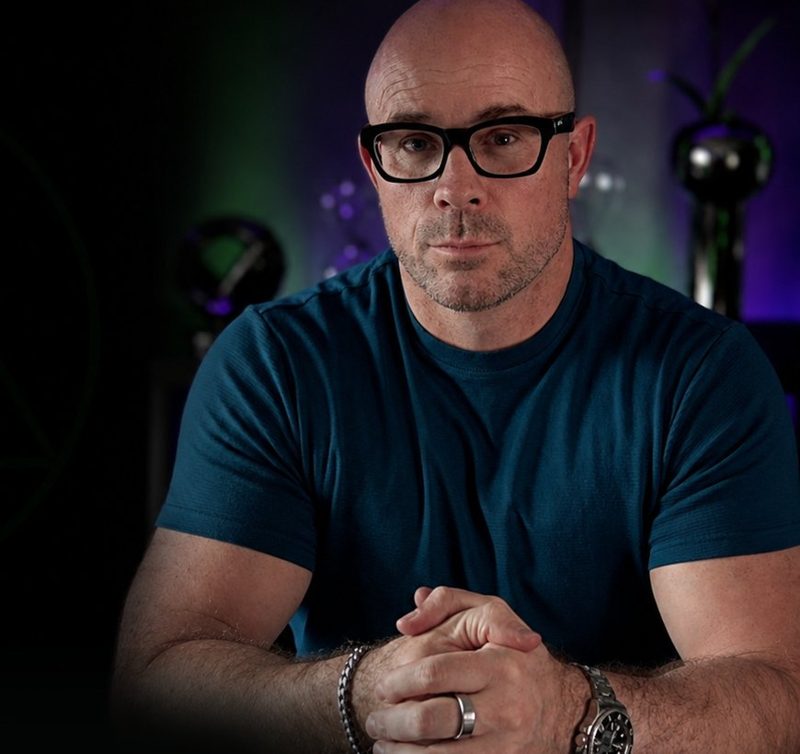
If you’ve tried to talk yourself out of this fear and it hasn’t worked, that isn’t a lack of willpower. A phobia is an alarm your mind learned, and logic alone rarely switches it off.
When a fear is less common, it can be harder to explain, so you may not have told many people about it. I work one to one over Zoom with people whose fears are holding them back, including rarer ones like this, and every plan starts with understanding what your fear is really about.
I’ve spent 17 years in clinical practice and helped more than 1,000 people with phobias. I hold a Postgraduate Certificate and a Postgraduate Diploma in Clinical Hypnotherapy, both with Distinction, and journalists and clients call me the Phobia Guru.
Common questions
Why would someone be afraid of the cold?
Often the fear is less about the cold itself and more about what it might lead to, such as falling on ice, getting ill or feeling stuck somewhere freezing. A frightening experience in cold weather can also play a part. Any health worries linked to the cold, such as poor circulation, are worth checking with a GP.
How can you help?
I use hypnotherapy and NLP to change how your mind responds to the thing you fear, so the old alarm stops going off. Sessions are one to one over Zoom, and you get a recording of the hypnosis to listen to afterwards.
How many sessions will I need?
Many clients notice a real difference after one 90 minute session. If the fear goes back a long way, three sessions gives us room to make the change stick.
Further reading: Frigophobia (Wikipedia)
Ready to start?
A short call is the simplest next step. We’ll talk about your fear, what you’d like to feel instead, and whether I’m the right person to help.
- Take the free test at the top of this page to see how strong your fear is.
- Book a 30 minute call. Use code PHOBIA at checkout for half price: £24.50 instead of £49 ($29.50 outside the UK).
- Start your sessions over Zoom from wherever you live, or face to face in Hertfordshire.
See all session options and prices