
Fear of comets (cometophobia)
Cometophobia is a fear of comets. It may show up as worry about a comet hitting the Earth, unease when comets are in the news, or not wanting to look at the night sky. For centuries comets were seen as bad omens, and some of that old dread still lingers.
Many people find that with the right help, comet stories in the news become interesting rather than frightening.
Use code PHOBIA at checkout for half price: £24.50 instead of £49. Outside the UK? $29.50.
About this phobia
The word comes from the Greek kometes, meaning long-haired, describing a comet’s tail. It is rarely reported and is found mostly on lists of unusual phobias. It sits close to wider fears about space, meteors and the end of the world.
How it shows up
Cometophobia tends to rise and fall with the news. When a comet is spotted or a space story hits the headlines, worry about impacts and disasters can flood in, followed by calmer spells. Some people find the night sky itself unsettling, especially when something new or unexplained appears. It differs from a passing interest in space because it brings lasting dread and repeated checking.
Common triggers
- News of a comet or asteroid
- Films about impacts and the end of the world
- Unusual lights in the night sky
- Meteor showers
- Talk of eclipses or space events
- Online claims about doomsday dates
- Space missions and rocket launches
Where it shows up
- Outdoors at night
- Planetariums and science museums
- Social media and news sites
- Cinemas
- Stargazing events
- School science lessons about space
Symptoms
In your body
- Restlessness
- Racing heart
- Tight chest
- Trouble sleeping
- Feeling sick
In your mind
- Fear of the world ending
- Feeling small and helpless
- Repeatedly picturing an impact
- Doubting reassurance from experts
What you might do
- Checking news and space updates often
- Avoiding looking at the sky
- Skipping space films or museum trips
- Seeking reassurance from others
What may cause it
Comets were long seen as signs of disaster, and that old dread still crops up in stories and online claims. Big, uncontrollable threats tend to stir strong anxiety in some people, especially those prone to worry. Cometophobia has almost no research of its own, so it is best understood through wider fears about space and the end of the world. Checking news and forums may bring brief relief but often makes the fear stronger.
How it can affect your life
The fear can surge around space news, disturbing sleep and focus for days. Some people miss out on stargazing, museum trips or films that others enjoy. Children who pick up on the fear may also start to worry about the sky.
Related fears
- Fear of outer space (astrophobia)
- Fear of meteors (meteorophobia)
- Worry about the end of the world
- Fear of stars and the night sky (siderophobia)
Things that can help day to day
- Get space news from trusted science sources, which usually explain how comets are tracked
- Limit time spent on doomsday videos or forums
- Join a stargazing group to see the night sky in a calmer way
- Write worries down and set them aside for a fixed worry time
When to get help
If worry about comets or the end of the world is affecting your sleep or daily life, talk to your GP or a therapist. Getting news from calm, reliable sources can also help.
Explore more unusual fears in the rare phobias A to Z, or browse the common phobias.
About me
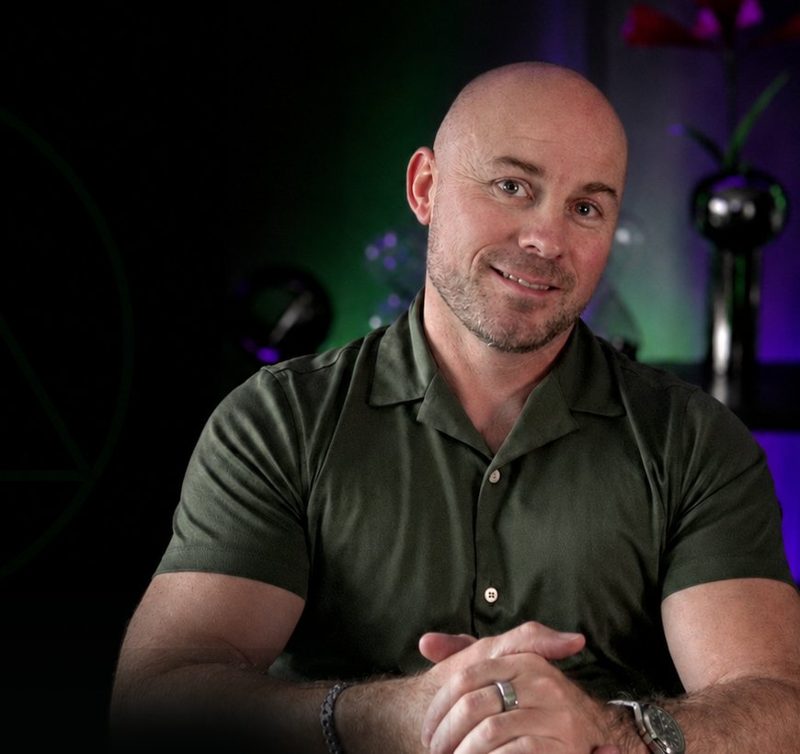
If you’ve tried to talk yourself out of this fear and it hasn’t worked, that isn’t a lack of willpower. A phobia is an alarm your mind learned, and logic alone rarely switches it off.
When a fear is less common, it can be harder to explain, so you may not have told many people about it. I work one to one over Zoom with people whose fears are holding them back, including rarer ones like this, and every plan starts with understanding what your fear is really about.
I’ve spent 17 years in clinical practice and helped more than 1,000 people with phobias. I hold a Postgraduate Certificate and a Postgraduate Diploma in Clinical Hypnotherapy, both with Distinction, and journalists and clients call me the Phobia Guru.
Common questions
Could a comet really hit the Earth?
Space agencies track comets and asteroids, and large impacts are extremely rare events over very long timescales. A comet in the news is almost always a chance to see something beautiful rather than a threat. Facts can help, though fear is not always driven by logic.
How can you help?
I use hypnotherapy and NLP to change how your mind responds to the thing you fear, so the old alarm stops going off. Sessions are one to one over Zoom, and you get a recording of the hypnosis to listen to afterwards.
How many sessions will I need?
Many clients notice a real difference after one 90 minute session. If the fear goes back a long way, three sessions gives us room to make the change stick.
Further reading: Astronomy Magazine: Night sweats · NHS: Generalised anxiety disorder · NHS: Phobias
Ready to start?
A short call is the simplest next step. We’ll talk about your fear, what you’d like to feel instead, and whether I’m the right person to help.
- Take the free test at the top of this page to see how strong your fear is.
- Book a 30 minute call. Use code PHOBIA at checkout for half price: £24.50 instead of £49 ($29.50 outside the UK).
- Start your sessions over Zoom from wherever you live, or face to face in Hertfordshire.
See all session options and prices