
Fear of crime (scelerophobia)
En español: lee sobre este miedo en Fobias.org.
Scelerophobia is a fear of crime, and some lists describe it as a fear of bad men or burglars. It might mean checking locks several times before bed, avoiding certain streets after dark, or lying awake listening for noises in the house. Some caution is sensible, but here the worry takes up more space than feels reasonable.
You can take sensible care and still feel safe at home. Many people find that with the right help, they can lock up once, switch off and sleep.
Use code PHOBIA at checkout for half price: £24.50 instead of £49. Outside the UK? $29.50.
About this phobia
The name comes from the Latin scelus, meaning crime or wickedness. It is a rare term mainly found on phobia lists. It is related to the fear of being burgled, which some lists give its own name, and to wider worries about personal safety.
How it shows up
Someone with this fear may feel that a break-in or attack is always just round the corner, even in a quiet area. They may lie awake listening to every sound, check doors and windows many times, or refuse to go out after dark. Crime stories in the news can stay in the mind for days. Being careful is sensible, but here the fear is out of step with the real risk and stops people living the way they would like.
Common triggers
- Crime stories on the news
- Noises in the house at night
- Strangers near the home
- Dark streets and car parks
- Being home alone
- Local posts about break-ins
- Sirens late at night
Where it shows up
- Home at night
- Walking alone after dark
- Late trains and buses
- Cash machines
- Unfamiliar areas
- Holiday rentals and hotels
Symptoms
In your body
- Jumping at small sounds
- Racing heart
- Trouble sleeping
- Tense muscles
- Sweating
In your mind
- Picturing break-ins or attacks
- Feeling unsafe even at home
- Suspicion of strangers
- Blaming yourself in advance
What you might do
- Checking locks over and over
- Avoiding going out at night
- Leaving lights on
- Watching doorbell footage or crime news often
What may cause it
This term has hardly been studied, but fear of crime in general is widely researched and is often found to be higher than the actual risk. Being a victim of crime, or knowing someone who was, can be a strong starting point. Heavy news coverage and local online groups can make crime feel closer than it is. Repeated checking brings short relief but teaches the mind that the danger is real.
How it can affect your life
It can limit going out, especially in the evening, and make it hard to relax or sleep at home. Some people feel trapped in their own house or reluctant to travel. Over time this can lead to loneliness and missing out on friends, hobbies and family events.
Related fears
- Fear of intruders, burglars and being attacked
- Fear of being alone (monophobia)
- Fear of the dark (nyctophobia)
- Fear of being attacked
Things that can help day to day
- Do one sensible security check at night, then stop
- Look up actual crime figures for your area on official sites
- Cut back on crime news and local alert groups
- Plan safe routes home and share them with a friend
When to get help
If you have been a victim of crime and are struggling to move on, a GP or a victim support service can help. If checking or fear is affecting your sleep and daily life, talking therapy can make a real difference.
Explore more unusual fears in the rare phobias A to Z, or browse the common phobias.
About me
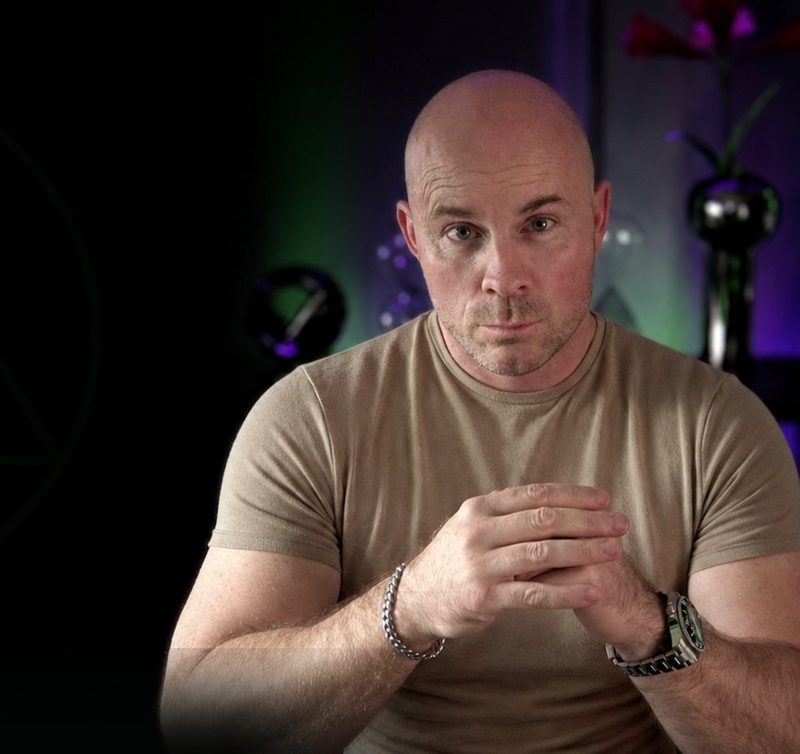
If you’ve tried to talk yourself out of this fear and it hasn’t worked, that isn’t a lack of willpower. A phobia is an alarm your mind learned, and logic alone rarely switches it off.
When a fear is less common, it can be harder to explain, so you may not have told many people about it. I work one to one over Zoom with people whose fears are holding them back, including rarer ones like this, and every plan starts with understanding what your fear is really about.
I’ve spent 17 years in clinical practice and helped more than 1,000 people with phobias. I hold a Postgraduate Certificate and a Postgraduate Diploma in Clinical Hypnotherapy, both with Distinction, and journalists and clients call me the Phobia Guru.
Common questions
What if a fear of crime started after something actually happened?
A fear that begins after a burglary, mugging or other crime is a very understandable reaction. Victim Support offers free help in England and Wales, and a GP can also point towards suitable support. It is fine to look after that experience first before working on the fear itself.
How can you help?
I use hypnotherapy and NLP to change how your mind responds to the thing you fear, so the old alarm stops going off. Sessions are one to one over Zoom, and you get a recording of the hypnosis to listen to afterwards.
How many sessions will I need?
Many clients notice a real difference after one 90 minute session. If the fear goes back a long way, three sessions gives us room to make the change stick.
Further reading: European Journal of Psychology Applied to Legal Context: Fear of crime and wellbeing · Cleveland Clinic: Nyctophobia (fear of the dark) · NHS: Phobias
Ready to start?
A short call is the simplest next step. We’ll talk about your fear, what you’d like to feel instead, and whether I’m the right person to help.
- Take the free test at the top of this page to see how strong your fear is.
- Book a 30 minute call. Use code PHOBIA at checkout for half price: £24.50 instead of £49 ($29.50 outside the UK).
- Start your sessions over Zoom from wherever you live, or face to face in Hertfordshire.
See all session options and prices