
Fear of crossing roads or streets (agyrophobia)
En español: lee sobre este miedo en Fobias.org.
A fear of crossing roads can make zebra crossings, busy junctions and even quiet streets feel like a big risk. It can shrink your world quickly, but it is something I help people with.
Many people find that with the right help, they can cross a road or street calmly and get where they need to go.
Use code PHOBIA at checkout for half price: £24.50 instead of £49. Outside the UK? $29.50.
Understanding this fear
Agyrophobia is a strong fear of crossing roads and streets, and sometimes of busy roads in general. It is more than the ordinary care everyone should take with traffic. With this fear, even a quiet side street or a green man at a crossing can bring on panic, and people often know the fear is bigger than the real risk. The word comes from the Greek for whirling, which sums up how traffic can feel.
It is sometimes called dromophobia, and it has not been studied much on its own. Clinicians often see it after a road accident, where it can be part of post traumatic stress, or alongside panic and agoraphobia, where the fear is of having an attack in the middle of the road. It can also show up in people whose balance, mobility or judgement of speed has been affected, which makes crossing genuinely harder. Because it is rarely talked about, there are no reliable figures on how common it is.
Common triggers
- Cars approaching faster than expected
- Traffic coming from more than one direction
- The green man starting to flash
- Crossings with no lights or island
- Engines revving or horns sounding
- Large lorries and buses
- Cyclists and scooters appearing suddenly
- Crossing alone, without a trusted person
Where it shows up
- Busy junctions and roundabouts
- Zebra crossings
- High streets and town centres
- School gates at drop off time
- Retail parks and supermarket car parks
- Country roads with no pavement
- Roads near the scene of a past accident
Symptoms
In your body
- Legs feeling weak or frozen
- Heart pounding as you step off the kerb
- Dizziness or feeling unsteady
- Sweating
- Fast, shallow breathing
- A tight chest
- Feeling sick
In your mind
- A car will come from nowhere
- I will freeze or fall halfway across
- I cannot judge how fast that car is going
- Flashbacks to an accident or near miss
- Worry about panicking in the road
What you might do
- Waiting until the road is completely empty
- Walking a long way to find a crossing with lights
- Holding on to someone’s arm to cross
- Taking taxis for short trips
- Staying in and having shopping delivered
- Checking left and right many times before moving
What causes it
For many people it begins after being hit by a vehicle, having a near miss, or seeing an accident, and the brain links roads with that moment of terror. In some it is part of post traumatic stress, where crossing a street brings memories flooding back, and this can easily be mistaken for sensible caution. In others it grows out of panic attacks, with the fear being of losing control in a place where it feels dangerous to stop. Health issues that affect balance, eyesight or walking speed can add real worry, which the mind can then exaggerate. Every time you avoid a crossing, the relief strengthens the belief that you could not have coped.
How it can affect your life
Not being able to cross a road shrinks your world quickly. Getting to work, the shops, the school gate or a GP appointment can mean long detours, lifts or taxis, which costs time and money. Some people stop walking for exercise or stop going out alone, which affects fitness, confidence and independence. Family and friends may not understand why such an everyday task feels so hard, which can feel isolating.
Things that can help day to day
- Use crossings with lights wherever you can, and wait for the green man
- Plan routes in advance that use safe, familiar crossing points
- Practise slow breathing while you wait at the kerb so you start off calmer
- Cross alongside a trusted friend or with other pedestrians while you build confidence
- When you think you will freeze, remind yourself of all the times you have crossed safely
When to get help
It is worth getting help if you are avoiding going out, losing independence, or having panic attacks near roads. If the fear began after an accident and you have flashbacks, nightmares or feel constantly on edge, see your GP, as this may be trauma that needs proper support. Your GP is also the right first step if problems with balance, sight or walking are part of the worry.
How I can help
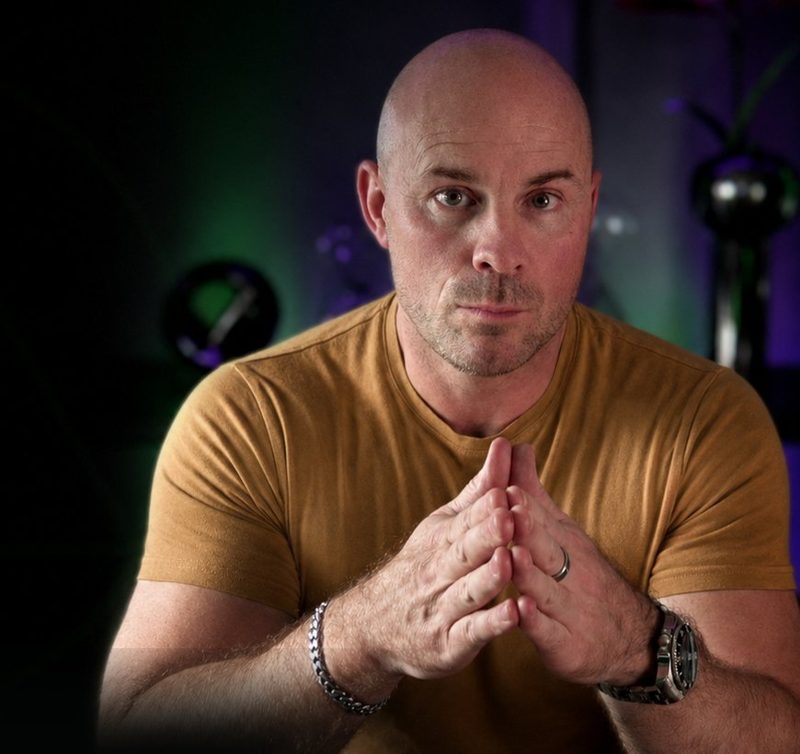
If you’ve tried to talk yourself out of this fear and it hasn’t worked, that isn’t a lack of willpower. A phobia is an alarm your mind learned, and logic alone rarely switches it off.
With a fear of crossing roads, I first find out what the fear is really about, whether it is a past accident, a fear of freezing, or panic that has attached itself to traffic. Using hypnotherapy and NLP over Zoom, I help your mind store any frightening memory as something that is over, rather than something still happening. We then rehearse crossing safely in your imagination, step by step at a proper crossing, with your body calm and your attention clear. Many clients find the automatic alarm drops, so they can use normal road sense without being overwhelmed. Safety always comes first, and the aim is a calm, sensible response, never taking risks.
I’ve spent 17 years in clinical practice and helped more than 1,000 people with phobias. I hold a Postgraduate Certificate and a Postgraduate Diploma in Clinical Hypnotherapy, both with Distinction.
Common questions
Is a fear of crossing roads a sign of agoraphobia?
It can be part of it, especially if you fear having a panic attack where escape feels hard. For others it stands alone or follows an accident, so it helps to look at exactly when and why the fear shows up.
Why did this fear start after a near miss when I was not hurt?
The brain reacts to how frightening something felt, not just to the outcome. A sudden shock can be stored as a danger memory and replayed every time you reach a kerb, even though you walked away unharmed.
Should I force myself to cross busy roads to get over it?
No. Safety always comes first, so stick to proper crossings and build confidence gradually in calm conditions. Pushing yourself into risky situations can make the fear worse, and support can help you build up steadily.
Is it the same as dromophobia?
The two terms are often used for the same fear. Some people use dromophobia to mean fear of crossing streets, and others use it more widely for fear of running or moving fast. What matters is what happens for you at the kerb.
How can you help?
I use hypnotherapy and NLP to change how your mind responds to the thing you fear, so the old alarm stops going off. Sessions are one to one over Zoom, and you get a recording of the hypnosis to listen to afterwards.
How many sessions will I need?
Many clients notice a real difference after one 90 minute session. If the fear goes back a long way, three sessions gives us room to make the change stick.
Further reading: NHS: Agoraphobia · Wikipedia: Fear of crossing streets · RxList: Agyrophobia definition · NHS: Phobias
Ready to start?
A short call is the simplest next step. We’ll talk about your fear, what you’d like to feel instead, and whether I’m the right person to help.
- Take the free test at the top of this page to see how strong your fear is.
- Book a 30 minute call. Use code PHOBIA at checkout for half price: £24.50 instead of £49 ($29.50 outside the UK).
- Start your sessions over Zoom from wherever you live, or face to face in Hertfordshire.
See all session options and prices