
Fear of liquids and dampness (hygrophobia)
Hygrophobia is a fear of liquids, dampness or moisture. It can show up as distress at wet clothes or skin, avoiding rain or humid places, or worry about damp and mould at home. Some people find certain textures, such as wet grass or a damp towel, especially hard to bear.
Many people find that with the right help, wet clothes, rain or a damp towel become things they can shrug off.
Use code PHOBIA at checkout for half price: £24.50 instead of £49. Outside the UK? $29.50.
About this phobia
The name comes from the Greek hygros, meaning wet or moist. It is a rare term found mostly on lists, and it differs from aquaphobia, which centres on water such as swimming and deep water. Strong discomfort with wet textures can sometimes be linked to sensory sensitivity rather than fear alone.
How it shows up
Disliking soggy socks is common, but hygrophobia can make dampness feel unbearable. Getting caught in a shower, touching a wet towel or noticing condensation running down the windows can trigger panic or a strong urge to dry off straight away. Some people worry mainly about mould and damp at home, while others react to the feel of wet things on their skin. The reaction is stronger than ordinary discomfort and very hard to ignore.
Common triggers
- Rain and drizzle
- Wet clothes or towels
- Damp patches or mould at home
- Humid weather
- Spills and puddles
- Steam in bathrooms
- Sweat on your own skin
Where it shows up
- Outdoors in wet weather
- Bathrooms and changing rooms
- Older or damp housing
- Kitchens
- Gyms and leisure centres
- Beaches and riverbanks
Symptoms
In your body
- Skin crawling
- Shivering
- Nausea
- Racing heart
- Goosebumps
In your mind
- Disgust
- Worry about illness from damp
- Feeling dirty
- Urge to get dry at once
What you might do
- Avoiding going out in rain
- Changing clothes often
- Cleaning or checking for damp repeatedly
- Avoiding certain textures
What may cause it
There is little clinical research on hygrophobia, so its causes are mostly a matter of educated guesswork. It may grow from a bad experience, such as being soaked and cold as a child, or from worry about damp homes and health. Sensory sensitivity, which is common in some neurodivergent people, can make wet textures feel overwhelming rather than just unpleasant. Avoidance, such as never going out in rain, keeps the discomfort strong because there is no chance to get used to it.
How it can affect your life
The fear can make the British climate a daily challenge, limiting outings, exercise and travel plans. It can cause real stress at home if damp is present or hard to fix. Repeated changing, drying or cleaning can take up a lot of time and energy.
Related fears
- Fear of water (aquaphobia)
- Fear of rain (ombrophobia)
- Fear of germs (mysophobia)
- Sensory sensitivity
Things that can help day to day
- Keep spare socks and a small towel in your bag for peace of mind
- Use good waterproofs so outings in wet weather feel more manageable
- Touch a damp cloth for a few seconds and notice the feeling fade, then try a little longer
- Ask your landlord or council for help with any damp and mould at home
When to get help
If damp or mould at home is affecting your health, see your GP and report it to your landlord or council. If the fear itself is limiting daily life, your GP can refer you for support.
Explore more unusual fears in the rare phobias A to Z, or browse the common phobias.
About me
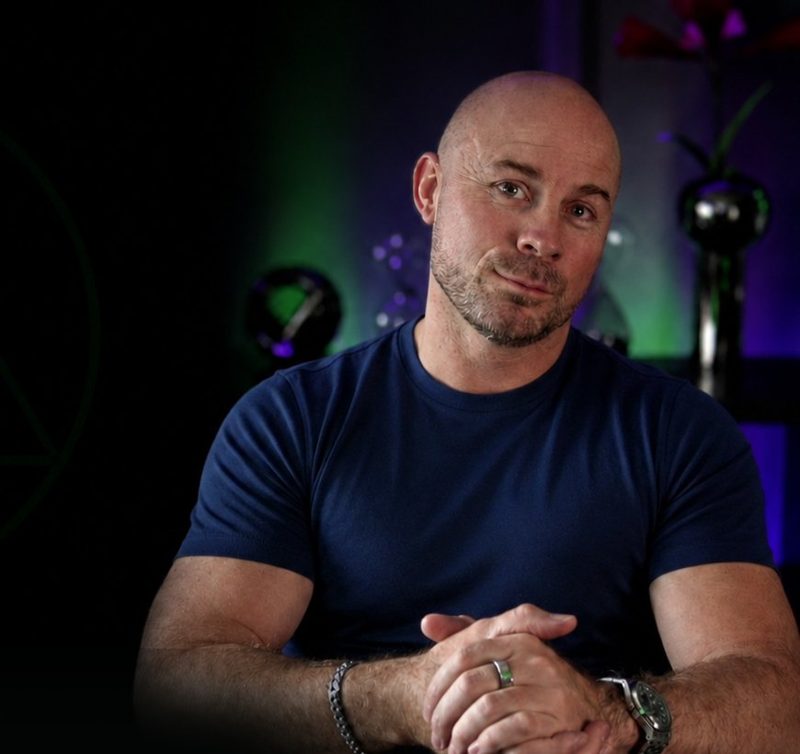
If you’ve tried to talk yourself out of this fear and it hasn’t worked, that isn’t a lack of willpower. A phobia is an alarm your mind learned, and logic alone rarely switches it off.
When a fear is less common, it can be harder to explain, so you may not have told many people about it. I work one to one over Zoom with people whose fears are holding them back, including rarer ones like this, and every plan starts with understanding what your fear is really about.
I’ve spent 17 years in clinical practice and helped more than 1,000 people with phobias. I hold a Postgraduate Certificate and a Postgraduate Diploma in Clinical Hypnotherapy, both with Distinction, and journalists and clients call me the Phobia Guru.
Common questions
How is hygrophobia different from fear of water?
Fear of water, or aquaphobia, usually centres on drowning, swimming or deep water. Hygrophobia is more about moisture itself, such as damp air, wet surfaces or liquid on the skin. The two can overlap, but the triggers are often quite different.
How can you help?
I use hypnotherapy and NLP to change how your mind responds to the thing you fear, so the old alarm stops going off. Sessions are one to one over Zoom, and you get a recording of the hypnosis to listen to afterwards.
How many sessions will I need?
Many clients notice a real difference after one 90 minute session. If the fear goes back a long way, three sessions gives us room to make the change stick.
Further reading: Cleveland Clinic: Aquaphobia · Understood: Sensory processing challenges and anxiety · NHS: Phobias
Ready to start?
A short call is the simplest next step. We’ll talk about your fear, what you’d like to feel instead, and whether I’m the right person to help.
- Take the free test at the top of this page to see how strong your fear is.
- Book a 30 minute call. Use code PHOBIA at checkout for half price: £24.50 instead of £49 ($29.50 outside the UK).
- Start your sessions over Zoom from wherever you live, or face to face in Hertfordshire.
See all session options and prices