
Fear of dancing (chorophobia)
En español: lee sobre este miedo en Fobias.org.
Chorophobia is a fear of dancing, which for most people means dancing in front of others. It can turn weddings, parties and nights out into something to dread, especially at the moment the music starts and people head for the floor. Some also feel it at the thought of dance classes or being filmed.
Many people find that with the right help, they can join in at a wedding or a party and enjoy the music.
Use code PHOBIA at checkout for half price: £24.50 instead of £49. Outside the UK? $29.50.
About this phobia
The name comes from the Greek choros, meaning dance, also seen in choreography and chorus. It is uncommon as a stand-alone term and is not widely documented in clinical writing. In many cases it is closely tied to social anxiety and a fear of being judged or laughed at.
How it shows up
Chorophobia is mostly about being seen. Many people with it are fine dancing alone in the kitchen but freeze at the thought of others watching. It can show up as dread in the weeks before a wedding, hiding near the bar at a party, or making excuses when friends head for the floor. Unlike simply not enjoying dancing, it brings real anxiety and can make social events feel like a test.
Common triggers
- Music starting at a party
- Being pulled onto the dance floor
- First dances and wedding receptions
- Dance classes or school discos
- Being filmed or photographed
- People laughing nearby
- Party games that involve moving to music
Where it shows up
- Weddings and birthday parties
- Nightclubs and bars
- Work celebrations
- School proms and discos
- Fitness classes with dance routines
- Holidays with evening entertainment
Symptoms
In your body
- Stiff, awkward feeling in the body
- Blushing
- Racing heart
- Shaky legs
- Sweating
In your mind
- Certainty you will look silly
- Fear of being laughed at
- Replaying past embarrassing moments
- Feeling everyone is watching you
What you might do
- Avoiding events with dancing
- Leaving early or hiding at the edges
- Staying near the bar or the exit
- Turning down roles such as a first dance
What may cause it
Chorophobia is not well documented in clinical writing, but it is widely seen as a form of social anxiety focused on dancing. Teasing at a school disco or a moment of being laughed at can be enough to start it. Some people grew up in homes where dancing was not encouraged, or have long felt self-conscious about their bodies. Avoiding the dance floor brings relief, which makes it harder to try next time.
How it can affect your life
Weddings, parties and nights out can turn into something to dread rather than enjoy. Some people miss family celebrations or feel left out while everyone else is having fun. Over time, the fear can spread into worries about other activities where people might watch you move, such as sport or exercise classes.
Related fears
- Fear of being judged (social anxiety)
- Fear of performing in public (stage fright)
- Fear of being laughed at (gelotophobia)
Things that can help day to day
- Dance at home to music you love, just for yourself
- Try a beginner class where everyone is new
- Join in with simple moves, such as swaying or clapping, at the edge of the floor
- Remind yourself that most people are thinking about themselves, not watching you
When to get help
If fear of dancing sits alongside wider worries about being judged, or is stopping you joining in family events, your GP or a therapist can help. Many people find it eases with gentle, steady practice.
Explore more unusual fears in the rare phobias A to Z, or browse the common phobias.
About me
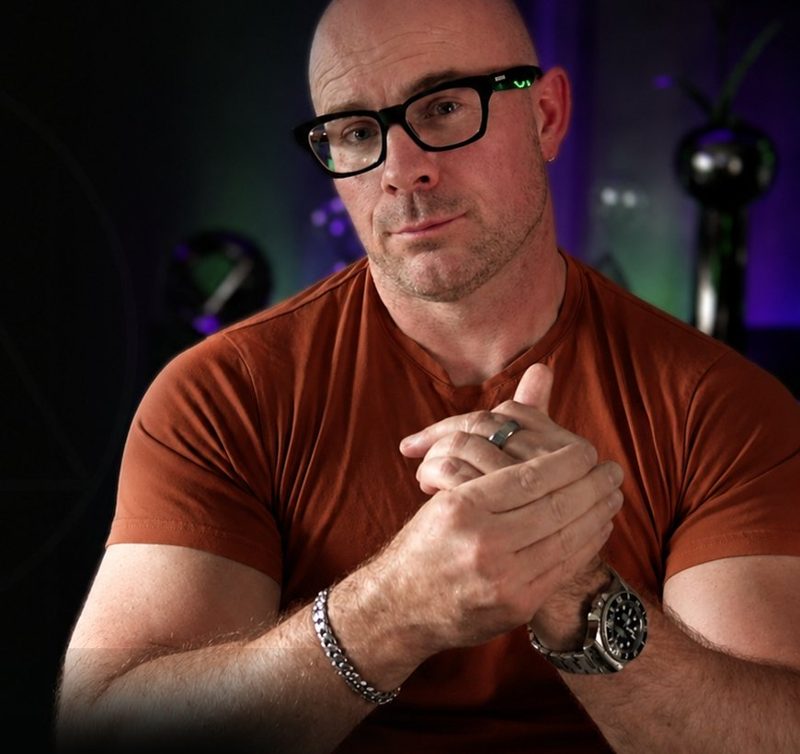
If you’ve tried to talk yourself out of this fear and it hasn’t worked, that isn’t a lack of willpower. A phobia is an alarm your mind learned, and logic alone rarely switches it off.
When a fear is less common, it can be harder to explain, so you may not have told many people about it. I work one to one over Zoom with people whose fears are holding them back, including rarer ones like this, and every plan starts with understanding what your fear is really about.
I’ve spent 17 years in clinical practice and helped more than 1,000 people with phobias. I hold a Postgraduate Certificate and a Postgraduate Diploma in Clinical Hypnotherapy, both with Distinction, and journalists and clients call me the Phobia Guru.
Common questions
Is a fear of dancing really a form of social anxiety?
Often it is. The fear is usually about being watched and judged rather than the movement itself, and many people dance freely when nobody is looking. If the same worry shows up in other social settings, it may be worth looking at the wider pattern.
How can you help?
I use hypnotherapy and NLP to change how your mind responds to the thing you fear, so the old alarm stops going off. Sessions are one to one over Zoom, and you get a recording of the hypnosis to listen to afterwards.
How many sessions will I need?
Many clients notice a real difference after one 90 minute session. If the fear goes back a long way, three sessions gives us room to make the change stick.
Further reading: Fear of Dancing documentary explores a universal feeling of dread (North Shore News)
Ready to start?
A short call is the simplest next step. We’ll talk about your fear, what you’d like to feel instead, and whether I’m the right person to help.
- Take the free test at the top of this page to see how strong your fear is.
- Book a 30 minute call. Use code PHOBIA at checkout for half price: £24.50 instead of £49 ($29.50 outside the UK).
- Start your sessions over Zoom from wherever you live, or face to face in Hertfordshire.
See all session options and prices