
Fear of dawn (eosophobia)
Eosophobia is a fear of dawn. First light can bring a sense of dread, perhaps about the day ahead, and some people keep curtains closed or try to sleep through daybreak.
Many people find that with the right help, first light becomes a calm start to the day rather than a moment of dread.
Use code PHOBIA at checkout for half price: £24.50 instead of £49. Outside the UK? $29.50.
About this phobia
The name comes from the Greek eos, meaning dawn, and Eos was also the Greek goddess of the dawn. It is a rarely reported term found mostly on lists. It can overlap with fears of daylight, such as phengophobia, and with worry or low mood that feels worst in the early morning.
How it shows up
Eosophobia can make the start of each day feel heavy. First light may bring dread about the hours ahead, and some people lie awake waiting for dawn or keep the curtains tightly shut well into the morning. For others the fear is tied to the end of a sleepless night, or to memories of difficult mornings such as hearing bad news. It differs from simply not being a morning person because it brings real fear rather than grogginess.
Common triggers
- First light through the curtains
- Birdsong at dawn
- Alarm clocks
- A sleepless night ending
- Early starts for work
- Long, light summer mornings
- The first morning back after a holiday
Where it shows up
- The bedroom
- Early commutes
- Hospital stays
- Holidays in bright places
- The end of a night shift
- Midsummer, when dawn comes very early
Symptoms
In your body
- Racing heart
- Tight chest
- Trouble sleeping
- Nausea
- Heavy limbs on waking
In your mind
- Dread about the day
- Low mood in the morning
- Worry about tasks ahead
- Feeling unprepared
What you might do
- Keeping curtains closed
- Sleeping through the morning
- Avoiding early plans
- Staying up late to delay the morning
What may cause it
For some, dawn is linked to hard experiences, such as bad news, illness or long nights of worry. Low mood and anxiety can feel worse early in the day, which can make first light feel threatening. Poor sleep adds to it, because tiredness makes everything feel harder and the next dawn arrives before the body feels rested. There is little clinical writing on eosophobia.
How it can affect your life
It can affect sleep, work and mood, and make mornings a struggle. Some people find their whole day is shaped by the dread of first light. Lighter summer mornings can make the fear worse for months at a time.
Related fears
- Fear of daylight (phengophobia)
- Fear of sleep (somniphobia)
- Fear of the dark (nyctophobia)
Things that can help day to day
- Use a gentle wake up routine with soft light
- Plan something small to look forward to each morning, such as a favourite drink
- Keep a regular bedtime and wake time
- Write down worries the night before so they feel less pressing at dawn
When to get help
If low mood or dread is worse in the mornings for more than a couple of weeks, speak to your GP. Support is available, and talking about how mornings feel is often a useful first step.
Explore more unusual fears in the rare phobias A to Z, or browse the common phobias.
About me
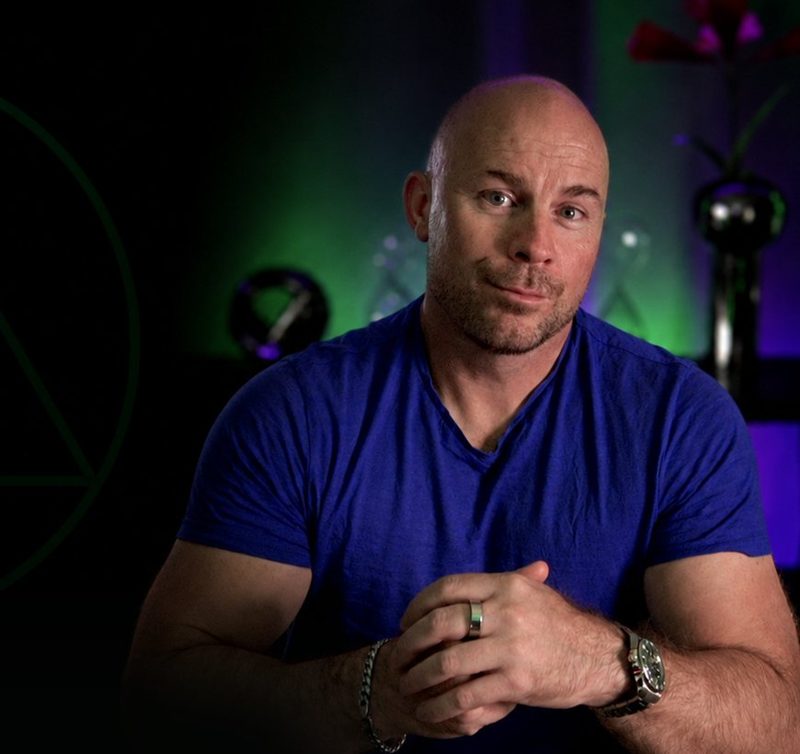
If you’ve tried to talk yourself out of this fear and it hasn’t worked, that isn’t a lack of willpower. A phobia is an alarm your mind learned, and logic alone rarely switches it off.
When a fear is less common, it can be harder to explain, so you may not have told many people about it. I work one to one over Zoom with people whose fears are holding them back, including rarer ones like this, and every plan starts with understanding what your fear is really about.
I’ve spent 17 years in clinical practice and helped more than 1,000 people with phobias. I hold a Postgraduate Certificate and a Postgraduate Diploma in Clinical Hypnotherapy, both with Distinction, and journalists and clients call me the Phobia Guru.
Common questions
Why might someone dread the dawn?
Dawn marks the start of a new day, which can feel heavy for anyone who is anxious or low. For some it is linked to past night shifts, poor sleep or a difficult memory from that time of day. If low mood or sleep problems are ongoing, a GP can help.
How can you help?
I use hypnotherapy and NLP to change how your mind responds to the thing you fear, so the old alarm stops going off. Sessions are one to one over Zoom, and you get a recording of the hypnosis to listen to afterwards.
How many sessions will I need?
Many clients notice a real difference after one 90 minute session. If the fear goes back a long way, three sessions gives us room to make the change stick.
Further reading: Healthline: Somniphobia · Healthline: Nyctophobia · NHS: Phobias
Ready to start?
A short call is the simplest next step. We’ll talk about your fear, what you’d like to feel instead, and whether I’m the right person to help.
- Take the free test at the top of this page to see how strong your fear is.
- Book a 30 minute call. Use code PHOBIA at checkout for half price: £24.50 instead of £49 ($29.50 outside the UK).
- Start your sessions over Zoom from wherever you live, or face to face in Hertfordshire.
See all session options and prices