
Fear of daylight (phengophobia)
Keeping curtains closed, planning outings for the evening and feeling uneasy when stepping into bright sun are all ways phengophobia, a fear of daylight, can show up. Some people feel noticeably calmer once it gets dark. If daylight causes eye pain, headaches or skin reactions, check those symptoms with a GP, as there may be a medical cause.
Many people find that with the right help, they can open the curtains and step into a bright day feeling calm.
Use code PHOBIA at checkout for half price: £24.50 instead of £49. Outside the UK? $29.50.
About this phobia
The word comes from the Greek phengos, meaning light or daylight. It is rarely reported and appears mostly on phobia lists, with little clinical writing on it. It is similar to heliophobia, the fear of the sun, and should not be confused with photophobia, which is a physical sensitivity to light.
How it shows up
Someone with phengophobia may feel exposed and jumpy in daylight, as though bright light makes the world harder to cope with. They might run errands at dusk, keep blackout blinds down all day or wear dark glasses even when the sky is grey. This is different from a physical sensitivity where the eyes hurt, although the two can easily be confused. Some people say they only feel truly settled, and like themselves again, once it is dark outside.
Common triggers
- Bright sunshine
- Opening the curtains in the morning
- Long summer days
- Glare from windows, water or snow
- Being outside at midday
- The clocks going forward in spring
- Bright white rooms
Where it shows up
- Mornings at home
- Summer holidays
- Daytime outdoor events
- Offices with large windows
- Beaches and open spaces
- School runs and daytime appointments
Symptoms
In your body
- Squinting and tension
- Racing heart
- Sweating
- Feeling dizzy or unsteady
- Eyes watering or straining
In your mind
- Feeling exposed or watched
- Dread as the days get longer
- Relief at nightfall
- Feeling unreal or detached in bright places
What you might do
- Keeping curtains or blinds closed
- Saving outings for the evening
- Wearing sunglasses indoors
- Sleeping through the day
What may cause it
Little is known about phengophobia because it is so rarely reported. It may link to a past event that happened in bright light, to panic attacks in open places, or to a wider fear of being seen and judged. Staying in the dark gives quick relief, which can make daylight feel more threatening over time. Low mood can also make bright, busy days feel harder to face, and the two can feed each other.
How it can affect your life
Avoiding daylight can limit work, school runs and time with friends. Spending much less time in natural light can also upset sleep patterns and mood. Family members may not understand why plans keep moving to the evening, which can cause friction.
Related fears
- Fear of the sun (heliophobia)
- Fear of open or crowded spaces (agoraphobia)
- Fear of being seen or stared at (scopophobia)
Things that can help day to day
- Open the curtains a little wider each day, starting with the room you use most
- Sit near a window for short spells before trying to go outside
- Start with short outings on cloudy days and build from there
- Keep regular times for going to bed and getting up, even at weekends
When to get help
Check any eye pain, headaches or skin reactions with a GP, as there may be a medical cause. Seek help too if avoiding daylight is keeping you indoors or bringing your mood down.
Explore more unusual fears in the rare phobias A to Z, or browse the common phobias.
About me
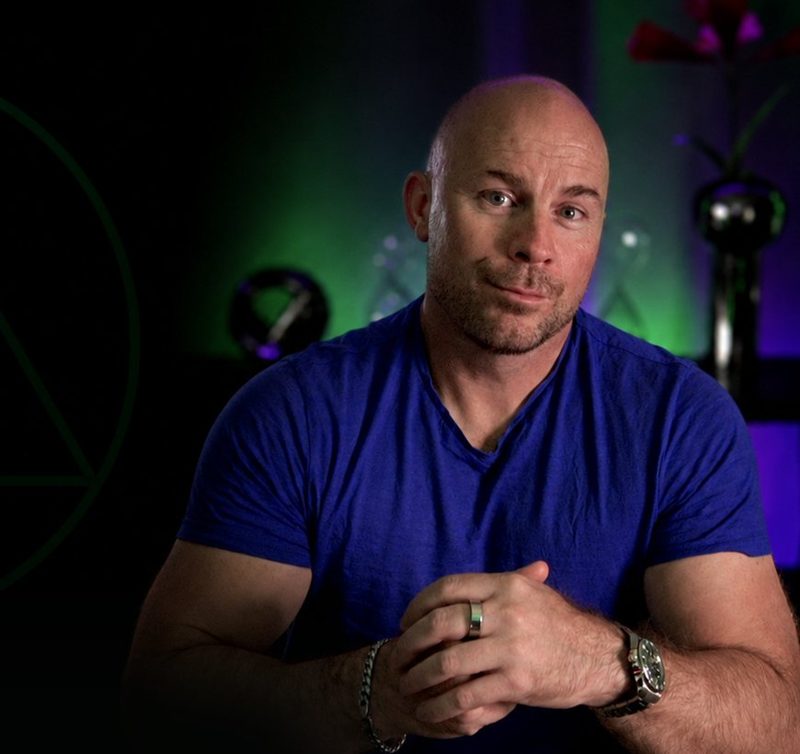
If you’ve tried to talk yourself out of this fear and it hasn’t worked, that isn’t a lack of willpower. A phobia is an alarm your mind learned, and logic alone rarely switches it off.
When a fear is less common, it can be harder to explain, so you may not have told many people about it. I work one to one over Zoom with people whose fears are holding them back, including rarer ones like this, and every plan starts with understanding what your fear is really about.
I’ve spent 17 years in clinical practice and helped more than 1,000 people with phobias. I hold a Postgraduate Certificate and a Postgraduate Diploma in Clinical Hypnotherapy, both with Distinction, and journalists and clients call me the Phobia Guru.
Common questions
Is fear of daylight the same as photophobia?
No. Photophobia is a physical sensitivity to light, often linked to migraines, eye conditions or other health problems. Phengophobia is an emotional fear of daylight itself. If light physically hurts your eyes, check this with a GP or optician.
How can you help?
I use hypnotherapy and NLP to change how your mind responds to the thing you fear, so the old alarm stops going off. Sessions are one to one over Zoom, and you get a recording of the hypnosis to listen to afterwards.
How many sessions will I need?
Many clients notice a real difference after one 90 minute session. If the fear goes back a long way, three sessions gives us room to make the change stick.
Further reading: Wikipedia: Heliophobia · NHS: Phobias · Mind: Understanding phobias
Ready to start?
A short call is the simplest next step. We’ll talk about your fear, what you’d like to feel instead, and whether I’m the right person to help.
- Take the free test at the top of this page to see how strong your fear is.
- Book a 30 minute call. Use code PHOBIA at checkout for half price: £24.50 instead of £49 ($29.50 outside the UK).
- Start your sessions over Zoom from wherever you live, or face to face in Hertfordshire.
See all session options and prices