
Fear of corpses and dead things (necrophobia)
En español: lee sobre este miedo en Fobias.org.
A fear of corpses and dead things can show up at funerals, in hospitals, on films or when you see a dead animal. It can make some of life’s unavoidable moments very hard. It can be helped.
Many people find that with the right help, funerals and other hard but unavoidable moments become easier to face.
Use code PHOBIA at checkout for half price: £24.50 instead of £49. Outside the UK? $29.50.
Understanding this fear
Necrophobia is a strong fear of dead bodies and of things linked to death, such as coffins, gravestones and funerals. It is normal to feel uncomfortable around death, and most people find funerals hard. With this fear, though, the reaction goes much further, and the thought of seeing a body, or even a dead bird on the pavement, can trigger panic and a strong urge to escape. The fear is about what is dead, rather than about your own death.
Some estimates suggest that around 7 to 9 per cent of people have a specific phobia of some kind, but there is no reliable figure for necrophobia on its own. It often develops after seeing a death, a body or a disturbing image, sometimes in childhood. It can sit alongside a fear of dying, a fear of ghosts and fears of hospitals or blood. Because loss is part of life, it can make some of the most important family moments especially hard.
Common triggers
- Seeing a coffin or hearse
- Dead animals on the road or in the garden
- News reports showing bodies
- Horror and crime films
- Talk of funerals or arrangements
- Hearing about someone’s death
- Hospital and mortuary scenes on TV
- Bones, skulls and taxidermy
Where it shows up
- Funerals and wakes
- Cemeteries and churchyards
- Crematoriums
- Hospitals and care homes
- Funeral directors
- Museums with remains or mummies
- Country lanes and parks where dead animals may lie
Symptoms
In your body
- Racing heart and quick breathing
- Dizziness or feeling faint
- Nausea
- Sweating, or hot and cold flushes
- Chest tightness
- Trembling or numbness
In your mind
- I will not be able to cope if I see it
- Intrusive images that keep coming back
- Feeling detached or unreal
- Dread in the days before a funeral
- Guilt about not being able to attend or help
What you might do
- Avoiding funerals or leaving early
- Taking long routes to avoid cemeteries or funeral directors
- Declining to visit a chapel of rest
- Avoiding films, news and talk of death
- Looking away or covering your eyes
- Asking others to deal with dead pets or animals
What causes it
Often the fear starts with a specific experience, such as seeing a body unexpectedly, the death of a loved one or a pet, or a funeral that felt overwhelming as a child. Horror films and graphic news can also leave strong images behind. Children learn how to react to death by watching adults, so a family that found death very frightening can pass that on. Humans have long been wary of dead bodies, which may once have helped our ancestors avoid disease. Avoidance then keeps the fear going, because the brain never gets the chance to learn that it can cope.
How it can affect your life
Necrophobia can make some of life’s most important moments painful. People may miss the funerals of people they love, then carry guilt and unfinished grief. It can make careers in health, care or emergency services feel out of reach, and can lead some people to avoid hospitals or medical care. Even everyday things, like a walk in the park, can feel tense if there is a chance of seeing a dead animal.
Things that can help day to day
- Practise slow breathing and relaxing your muscles when images come to mind
- Use a coping phrase such as I can feel anxious and still handle this
- Talk with someone you trust before a funeral and plan where you will sit
- Step back from horror and graphic content for now
- If you are grieving, consider bereavement support such as Cruse
When to get help
It is worth getting help if the fear is stopping you attending funerals, visiting loved ones in hospital or doing your job, or if images keep intruding into your day. If you have had a frightening experience with death and still have flashbacks or nightmares, talk to your GP, as support for trauma can help. Your GP is the first port of call if anxiety or grief is affecting your daily life, and if you are feeling very low you can also call Samaritans on 116 123.
How I can help
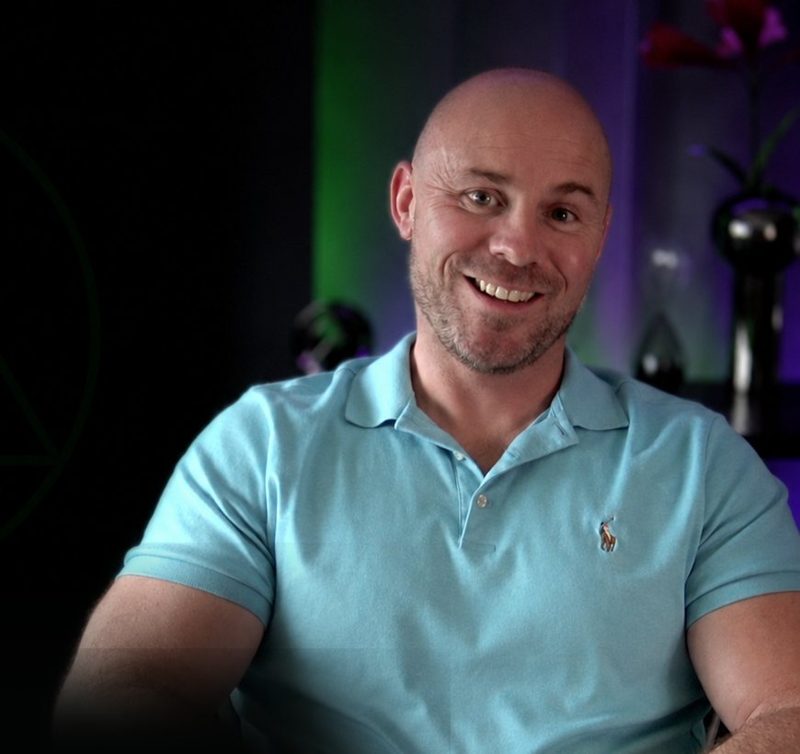
If you’ve tried to talk yourself out of this fear and it hasn’t worked, that isn’t a lack of willpower. A phobia is an alarm your mind learned, and logic alone rarely switches it off.
Over Zoom, I help you find where the fear began, which is often a single moment or image that has stayed with you. Using NLP, we change how that memory is stored so it no longer feels so vivid and close. In hypnosis, you then rehearse calmly attending a funeral or walking past a cemetery, feeling steady and in control. Many clients find they are able to be there for the people they love when it matters most.
I’ve spent 17 years in clinical practice and helped more than 1,000 people with phobias. I hold a Postgraduate Certificate and a Postgraduate Diploma in Clinical Hypnotherapy, both with Distinction.
Common questions
How can I get through a funeral if I am scared of dead bodies?
Tell someone you trust how you feel, and plan practical things like where you will sit. At most funerals you do not have to see the body, and you can choose not to view. Slow breathing and stepping outside for a moment if you need to can help.
Is it normal to feel frightened of death after losing someone?
Yes. Grief often stirs up fear and unsettling images, and for many people this eases with time and support. If the fear is growing or stopping you living normally, it is worth getting help.
Can children develop a fear of dead things?
Yes, especially after a frightening experience such as finding a dead pet. Parents can help by talking honestly and calmly in words the child understands, without forcing the subject or avoiding it completely.
Is this the same as a fear of dying?
No. A fear of dying is called thanatophobia and is about your own death. Necrophobia is about dead bodies and dead things. They can sit side by side, but they are different fears.
How can you help?
I use hypnotherapy and NLP to change how your mind responds to the thing you fear, so the old alarm stops going off. Sessions are one to one over Zoom, and you get a recording of the hypnosis to listen to afterwards.
How many sessions will I need?
Many clients notice a real difference after one 90 minute session. If the fear goes back a long way, three sessions gives us room to make the change stick.
Further reading: Cleveland Clinic: Thanatophobia, fear of death · Medical News Today: Fear of death · Wikipedia: Necrophobia · NHS: Phobias
Ready to start?
A short call is the simplest next step. We’ll talk about your fear, what you’d like to feel instead, and whether I’m the right person to help.
- Take the free test at the top of this page to see how strong your fear is.
- Book a 30 minute call. Use code PHOBIA at checkout for half price: £24.50 instead of £49 ($29.50 outside the UK).
- Start your sessions over Zoom from wherever you live, or face to face in Hertfordshire.
See all session options and prices