
Fear of demons (demonophobia)
En español: lee sobre este miedo en Fobias.org.
A fear of demons can show up at night, in films, in religious settings or after a frightening experience. It is a religious or supernatural fear that can be very distressing, and it can be helped.
Many people find that with the right help, nights feel calmer and frightening thoughts about demons lose their hold.
Use code PHOBIA at checkout for half price: £24.50 instead of £49. Outside the UK? $29.50.
Understanding this fear
Demonophobia is a strong, lasting fear of demons or evil spirits. Most people feel a shiver during a horror film, but with this fear the dread arrives uninvited, lingers for hours or days, and starts to shape what you do. Many people who have it know the fear is bigger than it should be, yet still cannot switch it off. This is not about whether you believe in a spiritual world, and the work here never sets out to challenge your faith.
It can affect people of any faith or none. For some it started after a scary film, a ghost story told in childhood or an unsettling talk about evil, and for others after a night of sleep paralysis, when it can feel as if something is in the room. It often travels with other fears, such as fear of the dark, of being alone at night or of harm coming to loved ones. There is little research on this fear on its own, so most of what we know comes from the wider study of phobias.
Common triggers
- Horror films and trailers about possession or exorcism
- Being alone in a dark house
- Unexplained noises at night
- Waking up unable to move
- Talk of evil spirits at home or in a place of worship
- Images or symbols linked with evil
- Ouija boards, tarot or seances
- Online stories and videos about hauntings
- Shadows or shapes at the edge of your vision
- Halloween and similar festivals
Where it shows up
- Your bedroom at night
- Dark hallways, lofts and cellars
- Woods or empty countryside after dark
- Old buildings, churches and graveyards
- Cinemas or streaming films at home
- Staying alone in an unfamiliar house
- Religious services that speak about evil
Symptoms
In your body
- Racing or pounding heart
- Cold sweats or chills
- Shaking or trembling
- Tight chest or fast, shallow breathing
- Feeling sick or a churning stomach
- Trouble getting to sleep or staying asleep
In your mind
- Something evil is in the room with me
- If I think about it, I will invite it in
- I am being watched or singled out
- Feeling unreal or detached from your body
- Dread that builds as night falls
What you might do
- Sleeping with the lights or TV on
- Refusing to be alone in the house at night
- Avoiding films, books or chats about the supernatural
- Repeating prayers or rituals out of panic rather than faith
- Checking rooms, wardrobes or under the bed
- Asking others again and again for reassurance
What causes it
Like most phobias, this fear usually grows from a mix of experience, learning and temperament. A frightening event, such as an unsettling film seen too young, a scary story from an adult or a spell of sleep paralysis, can link the idea of demons with a burst of terror. Sleep paralysis is worth knowing about: the NHS describes it as a harmless state between sleep and waking in which many people sense someone in the room or feel pressed down, and it is easy to see how that could be taken as something evil. Growing up around adults who were very afraid of evil spirits can pass the fear on, and an anxious temperament or family history of anxiety makes it more likely to stick. Once the fear is in place, sleeping with the lights on, checking rooms and avoiding the dark bring short-term relief but teach the mind that the danger was real, so the fear stays strong.
How it can affect your life
This fear often hits sleep first, and poor sleep then makes anxiety and low mood worse. Some people stop staying over with friends, avoid trips because of unfamiliar rooms, or depend on a partner or child being home at night. It can also cause pain within faith, as places and practices that once gave comfort start to feel threatening. Over time the effort of keeping the fear at bay can leave people tired, on edge and cut off from others.
Things that can help day to day
- Keep a steady sleep routine with regular bed and waking times
- Cut caffeine and screens in the hours before bed
- Notice the frightening thought, name it as fear talking and let it pass
- Use slow breathing with a longer out breath when dread rises
- Talk to someone you trust, including a faith leader if that feels right
When to get help
It is worth getting help if the fear is stopping you sleeping, keeping you from being alone, or taking the comfort out of your faith. If it is affecting your sleep or mood, please speak to your GP, who can also look at sleep problems such as sleep paralysis. Support from someone in your own faith community can sit alongside this work. If your mood is very low, please talk to your GP or call Samaritans on 116 123.
How I can help
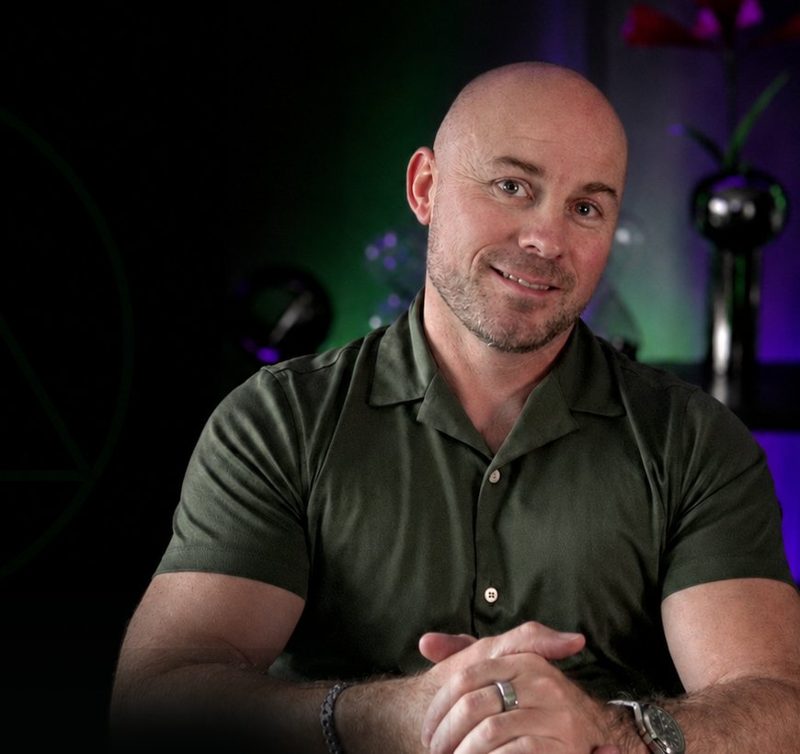
If you’ve tried to talk yourself out of this fear and it hasn’t worked, that isn’t a lack of willpower. A phobia is an alarm your mind learned, and logic alone rarely switches it off.
When I work with this fear over Zoom, I start by listening to what it means to you, with full respect for your beliefs, because my aim is never to change your faith. We look for when it began and what your mind is trying to protect you from, which is often a single frightening night or image. Using hypnotherapy and NLP, I help you rehearse calm evenings and quiet bedrooms in your mind, so the alarm that fires at the first shadow or creak can settle. Many clients find they can turn the lights off and sleep again, while their faith stays exactly as it was.
I’ve spent 17 years in clinical practice and helped more than 1,000 people with phobias. I hold a Postgraduate Certificate and a Postgraduate Diploma in Clinical Hypnotherapy, both with Distinction.
Please note: This is not about challenging your faith. If the fear is affecting your sleep or mood, please also speak to your GP, and you may find support from someone in your own faith community helpful.
Common questions
Is a fear of demons a recognised phobia?
It is usually understood as a specific phobia, where fear of one thing is far bigger than the real threat and gets in the way of life. It often sits alongside fears of the dark or of being alone at night.
Can sleep paralysis cause a fear of demons?
It can feed it. During sleep paralysis you are briefly awake but cannot move, and many people sense a presence in the room, which feels terrifying. The NHS says it is harmless, and your GP can help if it happens often.
Will hypnotherapy go against my religious beliefs?
No. The work focuses on the fear response, not on what you believe. You stay aware throughout, and many people find it fits comfortably alongside their faith.
Do you challenge my beliefs?
No. I do not tell anyone what to believe. We work on the fear and the feelings in your body, so you can feel calmer and safer, whatever your faith.
How can you help?
I use hypnotherapy and NLP to change how your mind responds to the thing you fear, so the old alarm stops going off. Sessions are one to one over Zoom, and you get a recording of the hypnosis to listen to afterwards.
How many sessions will I need?
Many clients notice a real difference after one 90 minute session. If the fear goes back a long way, three sessions gives us room to make the change stick.
Further reading: RxList: Demonophobia definition · NHS: Sleep paralysis · NHS: Phobias · Mind: About phobias
Ready to start?
A short call is the simplest next step. We’ll talk about your fear, what you’d like to feel instead, and whether I’m the right person to help.
- Take the free test at the top of this page to see how strong your fear is.
- Book a 30 minute call. Use code PHOBIA at checkout for half price: £24.50 instead of £49 ($29.50 outside the UK).
- Start your sessions over Zoom from wherever you live, or face to face in Hertfordshire.
See all session options and prices