
Fear of depending on others (soteriophobia)
Soteriophobia is a fear of depending on others. Someone with it may refuse help even when they badly need it, struggle to accept care when ill, or feel deeply uneasy in relationships where they have to rely on a partner. It is often linked to a strong need to stay in control.
About this phobia
The name seems to be built on the Greek soteria, meaning salvation or safety, the same root found in soteriology. It is rarely reported and found mainly on lists. It overlaps with what is sometimes called counter-dependence and with fears around trust and closeness.
How it shows up
Someone with this fear may insist on doing everything alone, even when ill, injured or overwhelmed. Asking for a lift, sharing a task or letting a partner look after them can feel deeply uncomfortable or even frightening. The fear is often rooted in losing control or being let down, so staying self-reliant feels like the only safe choice. It differs from healthy independence because it can lead to exhaustion and strained relationships.
Common triggers
- Being ill or injured
- Needing help with money
- Team projects at work
- Being cared for
- A partner offering support
- Getting older
- Being asked how you are coping
Where it shows up
- Hospitals and GP surgeries
- Workplaces
- Close relationships
- Family homes
- Times of stress or change
- Moving house or recovering from surgery
Symptoms
In your body
- Tension
- Tiredness from doing too much
- Restlessness
- Racing heart when offered help
- Poor sleep from stress
In your mind
- Fear of being let down
- Need for control
- Feeling weak when helped
- Worry about owing people
What you might do
- Turning down help
- Taking on too much
- Keeping people at arm’s length
- Hiding problems
What may cause it
Little is written about this fear by name. It can grow from being let down by carers or partners, from having to look after yourself too young, or from past hurt in close relationships. Some people learned early on that relying on others was not safe, and that lesson can stay with them long into adult life. Each time help is refused, the belief that others cannot be trusted stays in place and never gets tested.
How it can affect your life
It can lead to burnout, loneliness and tension in relationships. Refusing help when unwell can also slow recovery and make illness harder to manage. Partners and friends may feel shut out or unwanted when their offers are always turned down.
Related fears
- Fear of intimacy
- Fear of trusting others
- Fear of losing control
- Fear of rejection
Things that can help day to day
- Accept one small offer of help this week
- Notice what actually happens when someone helps you
- Share one worry with a trusted friend
- Remind yourself that accepting support is not a weakness
When to get help
If the fear is affecting your health or relationships, talking therapy can help you build trust at a pace that feels safe. If it is linked to past mistreatment, a GP or specialist counsellor can offer support.
Explore more unusual fears in the rare phobias A to Z, or browse the common phobias.
About me
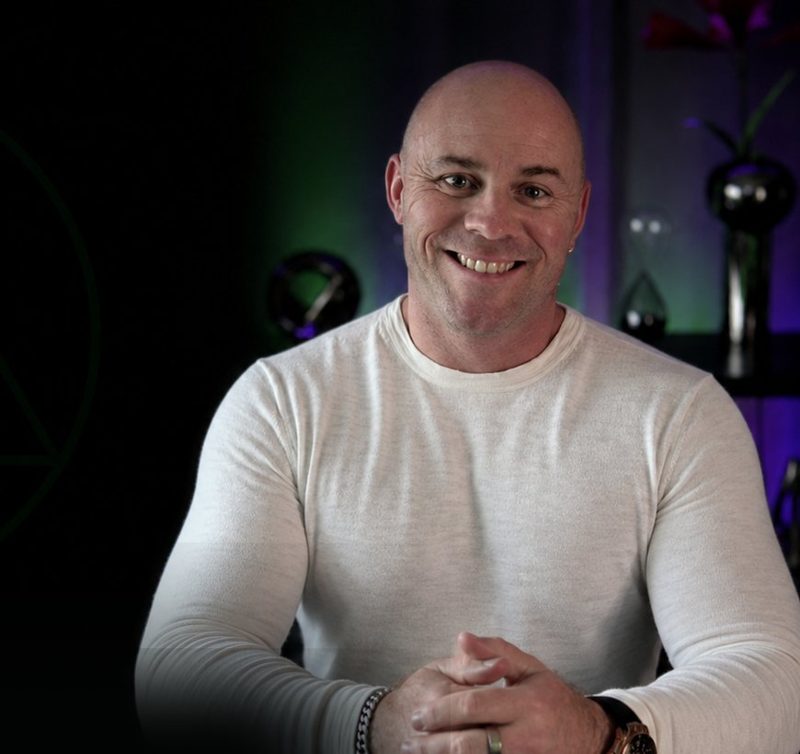
I am Adam Cox, a clinical hypnotherapist with more than 20 years of experience, and journalists and clients call me the Phobia Guru. I work one to one over Zoom with people whose fears are holding them back, including rarer ones like this. Every plan starts with understanding what your fear is really about.
Common questions
Why would someone be afraid of relying on others?
Often it comes from times when relying on someone led to being let down, hurt or left alone. Staying self-reliant then feels safer, even when it becomes lonely or tiring. If this links to painful past relationships, a GP or a specialist counsellor can help.
How can you help?
I use hypnotherapy and NLP to change how your mind responds to the thing you fear, so the old alarm stops going off. Sessions are one to one over Zoom, and you get a recording of the hypnosis to listen to afterwards.
How many sessions will I need?
Many clients notice a real difference after one 90 minute session. If the fear goes back a long way, three sessions gives us room to make the change stick.
Further reading: Healthline: Fear of intimacy · NHS: Phobias
Ready to start?
Book a £49 consultation call and we’ll talk through your fear, or take the free suitability test first.
See all session options and prices
Hypnosis downloads for this fear
Prefer to start on your own? This recorded session from my store is £9.99 and yours to keep.
