
Fear of depths (bathophobia)
En español: lee sobre este miedo en Fobias.org.
Bathophobia is a fear of depths, such as deep water, pits, wells or the view down into a gorge. It may show up as discomfort in the deep end of a pool, on boats, or when peering down a stairwell. Some people feel it even when looking at photos of deep places.
Many people find that with the right help, deep water, a well or a view into a gorge becomes something they can look at calmly.
Use code PHOBIA at checkout for half price: £24.50 instead of £49. Outside the UK? $29.50.
About this phobia
The word comes from the Greek bathos, meaning depth, a root also found in bathymetry, the measuring of water depth. It is uncommon as a clinical term and sits close to thalassophobia, the fear of the deep sea, and acrophobia, the fear of heights. The difference is mostly about looking down into something rather than being up high.
How it shows up
Bathophobia is about the pull of looking down into something deep and not being able to see the bottom. People often describe a dizzy, dragging sensation, as if they might be drawn in, even when they are perfectly safe behind a rail. It differs from sensible caution near deep water because it appears in safe settings too, such as a shopping centre balcony or a picture on a screen. Not knowing what lies below is often the hardest part.
Common triggers
- Dark water where the bottom cannot be seen
- Looking down stairwells or lift shafts
- Wells, mine shafts and open pits
- Gorges and drops seen from above
- Photos or films of the deep ocean
- Glass floors and see-through walkways
Where it shows up
- Swimming pools, especially the deep end
- Boats, piers and harbours
- Caves and show mines
- Tall buildings with open atriums
- Viewpoints in hills and mountains
Symptoms
In your body
- Dizziness or a swaying feeling
- Weak or wobbly knees
- Tight chest and fast breathing
- Urge to step back or crouch
In your mind
- Images of falling or sinking
- Fear of what might be hidden below
- Feeling pulled towards the edge
What you might do
- Staying in the shallow end or out of the water
- Keeping away from railings and edges
- Avoiding boat trips and caves
- Looking away from deep views
What may cause it
A healthy respect for depth is part of normal human caution, so it is not surprising that it can tip into a phobia for some people. A frightening moment in water, a near fall or a scary film can be enough to set it off. Imagination plays a big part, because a depth with no visible bottom leaves room for the mind to fill in the worst. There is very little research on bathophobia specifically, and most of what is known comes from work on fears of heights and water.
How it can affect your life
Holidays by the sea or in the hills can feel off limits, and family days at the pool can be tense. Some people also avoid modern buildings with open stairwells or glass walkways, which can limit work and city trips.
Related fears
- Fear of the deep sea (thalassophobia)
- Fear of heights (acrophobia)
- Fear of water (aquaphobia)
Things that can help day to day
- Look at pictures of deep places for short spells and build up slowly
- Stand well back from an edge where you feel safe and let the feeling ease
- Take swimming lessons in shallow water with a qualified teacher if water is the main issue
- Keep your breathing slow and steady rather than holding your breath
When to get help
If the fear is stopping you from holidays, swimming or work, a therapist can help. Always stay safe near real water and edges, and keep any practice to safe, supervised settings.
Explore more unusual fears in the rare phobias A to Z, or browse the common phobias.
About me
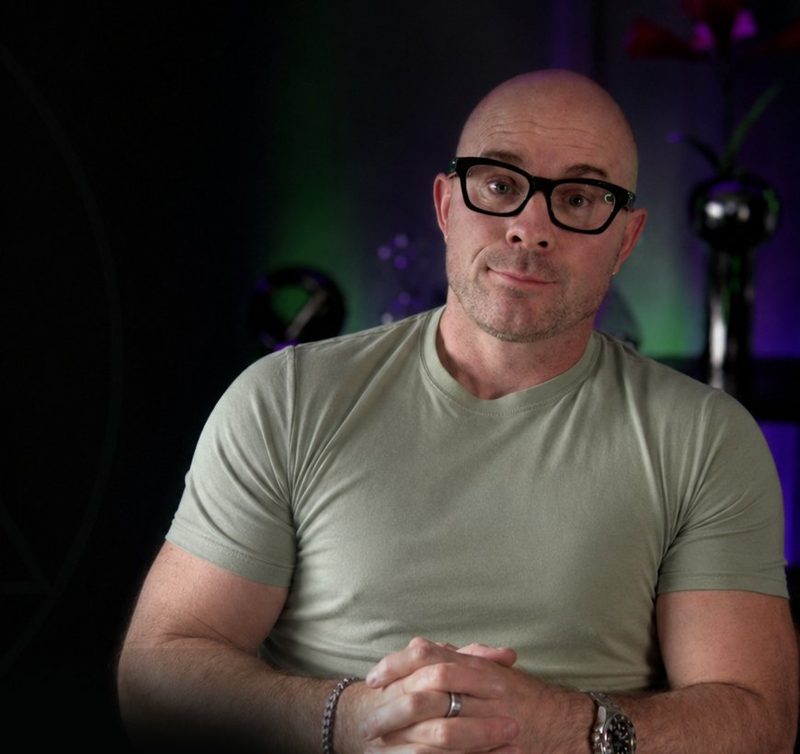
If you’ve tried to talk yourself out of this fear and it hasn’t worked, that isn’t a lack of willpower. A phobia is an alarm your mind learned, and logic alone rarely switches it off.
When a fear is less common, it can be harder to explain, so you may not have told many people about it. I work one to one over Zoom with people whose fears are holding them back, including rarer ones like this, and every plan starts with understanding what your fear is really about.
I’ve spent 17 years in clinical practice and helped more than 1,000 people with phobias. I hold a Postgraduate Certificate and a Postgraduate Diploma in Clinical Hypnotherapy, both with Distinction, and journalists and clients call me the Phobia Guru.
Common questions
How is bathophobia different from a fear of heights?
A fear of heights is about being high up, while bathophobia is about depth itself, often the depth of water, holes or caves. The two often go together, as both involve looking down, and many people with one feel some of the other.
How can you help?
I use hypnotherapy and NLP to change how your mind responds to the thing you fear, so the old alarm stops going off. Sessions are one to one over Zoom, and you get a recording of the hypnosis to listen to afterwards.
How many sessions will I need?
Many clients notice a real difference after one 90 minute session. If the fear goes back a long way, three sessions gives us room to make the change stick.
Further reading: Bathophobia (Choosing Therapy)
Ready to start?
A short call is the simplest next step. We’ll talk about your fear, what you’d like to feel instead, and whether I’m the right person to help.
- Take the free test at the top of this page to see how strong your fear is.
- Book a 30 minute call. Use code PHOBIA at checkout for half price: £24.50 instead of £49 ($29.50 outside the UK).
- Start your sessions over Zoom from wherever you live, or face to face in Hertfordshire.
See all session options and prices