
Fear of dining with others (deipnophobia)
En español: lee sobre este miedo en Fobias.org.
A fear of dining with others can show up at restaurants, work lunches, family meals and parties. It is a form of social anxiety, and it can make eating together feel like a performance, but it can be helped.
Many people find that with the right help, a work lunch, a family meal or a dinner out becomes something to enjoy rather than get through.
Use code PHOBIA at checkout for half price: £24.50 instead of £49. Outside the UK? $29.50.
Understanding this fear
Deipnophobia is a fear of eating or sharing a meal with other people. It is usually seen as a form of social anxiety that centres on the table rather than on food itself. Most people feel a little awkward eating on a first date, but with this fear the worry starts days before, fills the meal itself and replays for hours afterwards. You may be fine chatting in a meeting or at the pub, then feel your throat tighten the moment a plate arrives.
It has not been studied much on its own, so nobody knows how common it is, but social anxiety as a whole is common, and some estimates suggest around 1 in 8 people experience it at some point. The NHS lists eating with others among the situations people with social anxiety most often dread or avoid. It can appear around just one person, such as a partner, as one published case describes, or across every shared meal. It can overlap with eating difficulties, so it is worth telling the two apart.
Common triggers
- Someone watching you while you eat
- Being the last person still eating
- Ordering out loud in a restaurant
- Messy foods like ribs, spaghetti or burgers
- Being asked a question mid mouthful
- Pressure to finish your plate
- Not being able to leave the table without explaining
- Eating opposite a new partner or boss
- Chewing noises or cutlery scraping in a quiet room
Where it shows up
- Restaurants and cafes
- Work lunches and client dinners
- Family gatherings and holiday meals
- Weddings, parties and buffets
- School or work canteens
- Dinner at a partner’s family home
- First dates
Symptoms
In your body
- Dry mouth or a lump in the throat
- Sudden loss of appetite
- Nausea or a churning stomach
- Blushing or sweating
- Shaking hands when holding cutlery or a glass
- Racing heart or short breath
- Needing the toilet urgently
In your mind
- Everyone is watching me eat
- I will spill, drop food or choke and look foolish
- They can tell how nervous I am
- Dreading the meal for days beforehand
- Picking over what went wrong afterwards
What you might do
- Making excuses to skip shared meals
- Eating before going out so you can order very little
- Choosing small, tidy foods that are easy to eat
- Pushing food around the plate
- Hiding behind your phone or nonstop talking
- Leaving early or slipping off to the toilet
What causes it
Like other forms of social anxiety, this fear tends to grow from a mix of temperament and experience. An embarrassing moment at the table, such as being teased at school dinners, criticised about how you eat, or feeling sick or choking in front of others, can teach the mind that meals are a test you might fail. Pressure to eat in childhood, harsh comments about food or bodies, or stomach problems that made eating unpredictable can all play a part, and the published case of a young woman with this fear included several of these. A family history of anxiety may make it more likely. The fight or flight response also shuts down appetite, so anxiety makes eating harder, which then seems to prove the fear right, and every skipped meal out brings relief that keeps the fear going.
How it can affect your life
Shared meals are woven into work, love and family life, so this fear can quietly cost a lot. People turn down client dinners, miss team lunches that matter for their careers, or avoid dating because so many dates involve food. Family celebrations can become hours of tension, and partners may feel shut out without understanding why. Some people end up eating less overall, which can affect their health.
Things that can help day to day
- Start with low pressure settings, such as a coffee and a snack with one trusted friend
- Pick foods you find easy to eat while you build confidence
- Slow your breathing before you sit down and again between courses
- Turn your attention to the conversation rather than to how you look
- Write down what you fear will happen before a meal and check afterwards what really did
When to get help
It is worth getting help if you are turning down meals, dates or work events, or dreading food for days. If you are eating less, losing weight or feel unwell, please see your GP first, as they can check your health and talk through options. In England you can also refer yourself to NHS Talking Therapies. If worries about weight or body shape are part of the picture, the eating disorder charity Beat is a good place to turn.
How I can help
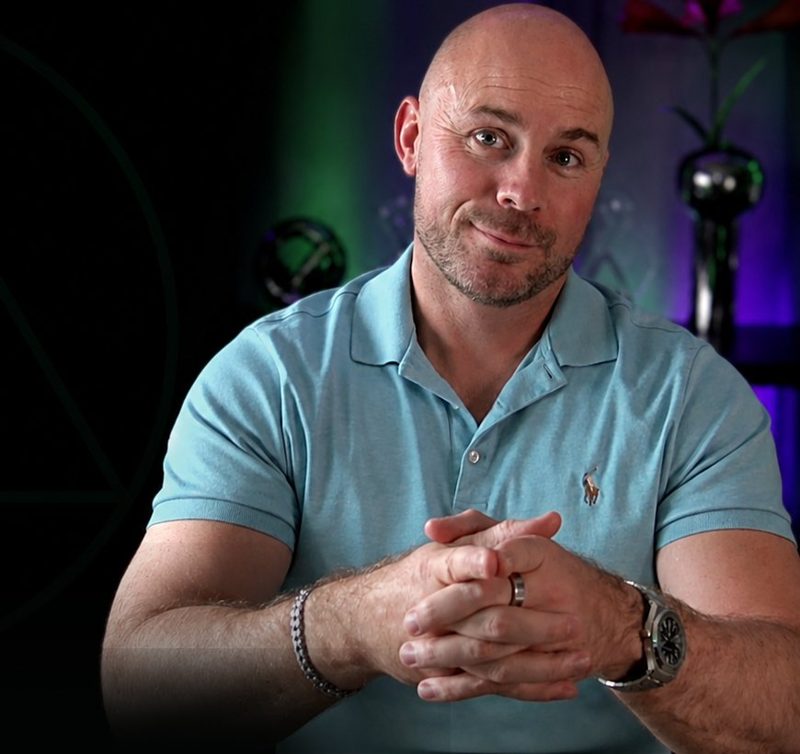
If you’ve tried to talk yourself out of this fear and it hasn’t worked, that isn’t a lack of willpower. A phobia is an alarm your mind learned, and logic alone rarely switches it off.
When I work with this fear over Zoom, we start by finding exactly what you are bracing for at the table, whether that is being watched, making a mess or someone noticing you are anxious. Often it goes back to one or two moments your mind has filed as dangerous. With hypnotherapy and NLP I help you rehearse meals in your mind while staying calm, from a coffee with a friend to a full work dinner, so the alarm that fires when the plates arrive starts to quieten. Many clients find they can sit, eat and actually taste their food again.
I’ve spent 17 years in clinical practice and helped more than 1,000 people with phobias. I hold a Postgraduate Certificate and a Postgraduate Diploma in Clinical Hypnotherapy, both with Distinction.
Common questions
Is deipnophobia the same as an eating disorder?
Not usually. With deipnophobia the worry is about being seen and judged while eating, not about weight or shape, and many people eat normally when alone. The two can overlap, so if you are eating less or worried about your body, please see your GP.
Why can I eat fine at home but not in a restaurant?
Because the fear is about the audience, not the food. At home nobody is watching, so the alarm stays quiet, while in public your mind scans for judgement and your appetite switches off.
Is it just shyness?
Shyness usually fades once you warm up. This fear tends to build before a meal, stay strong throughout and leave you going over it for hours, and it can lead you to avoid shared meals altogether.
Is this the same as social anxiety?
It is a form of it, focused on eating in front of others. You may be fine in other social settings but tense at the table. We would look at what worries you most there.
How can you help?
I use hypnotherapy and NLP to change how your mind responds to the thing you fear, so the old alarm stops going off. Sessions are one to one over Zoom, and you get a recording of the hypnosis to listen to afterwards.
How many sessions will I need?
Many clients notice a real difference after one 90 minute session. If the fear goes back a long way, three sessions gives us room to make the change stick.
Further reading: Primary Care Companion: Deipnophobia case report (2022) · Inspire the Mind: Deipnophobia · NHS: Social anxiety
Ready to start?
A short call is the simplest next step. We’ll talk about your fear, what you’d like to feel instead, and whether I’m the right person to help.
- Take the free test at the top of this page to see how strong your fear is.
- Book a 30 minute call. Use code PHOBIA at checkout for half price: £24.50 instead of £49 ($29.50 outside the UK).
- Start your sessions over Zoom from wherever you live, or face to face in Hertfordshire.
See all session options and prices