
Fear of dizziness when looking down (illyngophobia)
Illyngophobia is a fear of feeling dizzy or getting vertigo when looking down. It often appears on balconies, bridges, escalators or tall stairwells, where people may freeze, grip rails or refuse to look over the edge. Because dizziness can have medical causes, any real or frequent dizzy spells should be checked with a GP.
Many people find that with the right help, looking down from a balcony or a bridge feels steady and they can enjoy the view.
Use code PHOBIA at checkout for half price: £24.50 instead of £49. Outside the UK? $29.50.
About this phobia
Illyngophobia is a rarely used term found mostly on lists of phobias, with little clinical writing about it on its own. It is closely related to acrophobia, the fear of heights, and the two are often hard to tell apart. Vertigo itself is a physical symptom, while illyngophobia is the fear of experiencing it.
How it shows up
Lots of people feel a wobble when they look down from a height. With illyngophobia, it is the fear of that spinning, swaying feeling itself that takes over, so people avoid looking down at all or hold on tightly to anything nearby. Some feel a pull to look over an edge and then panic about it. The fear can show up even at modest heights, such as a mezzanine or a steep staircase.
Common triggers
- Looking over railings
- Escalators in shopping centres
- Glass floors or lifts
- Spiral or open staircases
- Footbridges and viewing platforms
- A sudden wobble or light-headed moment
- Footage filmed from great heights
Where it shows up
- Shopping centres
- Multi-storey car parks
- Tall buildings and hotels
- Bridges
- Stadiums and theatres with steep seating
- Lookout points on holiday
Symptoms
In your body
- Dizziness
- Weak legs
- Sweating
- Nausea
- Feeling pulled towards the edge
In your mind
- Fear of falling
- Fear of losing balance
- Feeling unreal or detached
- Worry about fainting
What you might do
- Holding rails tightly
- Avoiding escalators and stairs
- Choosing lower seats
- Refusing to look down
What may cause it
There is little research on illyngophobia as a separate fear, but it overlaps heavily with fear of heights and with what researchers call visual height intolerance. It may follow a dizzy spell, a fall or an inner ear problem, after which the brain becomes alert to any sense of imbalance. Anxiety itself can cause light-headedness, which then feeds the fear. Avoiding every raised place then keeps the cycle going, as the brain never learns that the wobble passes.
How it can affect your life
The fear can make shopping, travel and visits to tall buildings stressful, and some people avoid whole parts of town as a result. It may limit choices of jobs, seats or homes. Some feel embarrassed when friends or colleagues notice their caution.
Related fears
- Fear of heights (acrophobia)
- Fear of falling (basophobia)
- Fear of stairs (climacophobia)
- Fear of bridges (gephyrophobia)
Things that can help day to day
- Keep your eyes on a fixed point at eye level rather than looking down
- Use lifts or ground-level routes while you build confidence, without guilt
- Practise slow breathing when you feel a wobble, breathing out for longer than in
- Hold the rail and take your time on stairs, letting others pass if needed
When to get help
Any dizziness, vertigo or balance problems should be checked by your GP first, as there are physical causes worth ruling out. If the fear is limiting daily life, they can also refer you for talking therapy.
Explore more unusual fears in the rare phobias A to Z, or browse the common phobias.
About me
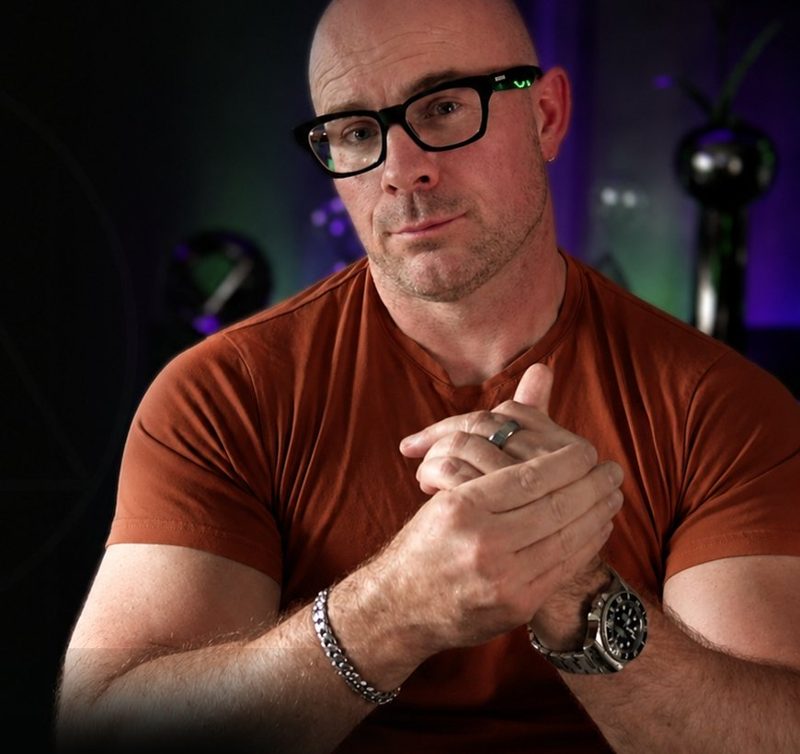
If you’ve tried to talk yourself out of this fear and it hasn’t worked, that isn’t a lack of willpower. A phobia is an alarm your mind learned, and logic alone rarely switches it off.
When a fear is less common, it can be harder to explain, so you may not have told many people about it. I work one to one over Zoom with people whose fears are holding them back, including rarer ones like this, and every plan starts with understanding what your fear is really about.
I’ve spent 17 years in clinical practice and helped more than 1,000 people with phobias. I hold a Postgraduate Certificate and a Postgraduate Diploma in Clinical Hypnotherapy, both with Distinction, and journalists and clients call me the Phobia Guru.
Common questions
Is it vertigo or a fear of heights?
Vertigo is a spinning or unsteady feeling that can have medical causes, such as inner ear problems, and should be checked with a GP. A fear of heights, or of feeling dizzy when looking down, is an anxiety response to height itself. Some people have both, which is why getting symptoms checked first is helpful.
How can you help?
I use hypnotherapy and NLP to change how your mind responds to the thing you fear, so the old alarm stops going off. Sessions are one to one over Zoom, and you get a recording of the hypnosis to listen to afterwards.
How many sessions will I need?
Many clients notice a real difference after one 90 minute session. If the fear goes back a long way, three sessions gives us room to make the change stick.
Further reading: Cleveland Clinic: Acrophobia · NHS: Vertigo · NHS: Phobias
Ready to start?
A short call is the simplest next step. We’ll talk about your fear, what you’d like to feel instead, and whether I’m the right person to help.
- Take the free test at the top of this page to see how strong your fear is.
- Book a 30 minute call. Use code PHOBIA at checkout for half price: £24.50 instead of £49 ($29.50 outside the UK).
- Start your sessions over Zoom from wherever you live, or face to face in Hertfordshire.
See all session options and prices