
Fear of doctors (iatrophobia)
En español: lee sobre este miedo en Fobias.org.
A fear of doctors can mean ignoring symptoms, missing check-ups and putting off tests that would give you peace of mind.
Many people find that with the right help, they can book the appointment, talk openly with their doctor and get the peace of mind they’ve been missing.
Use code PHOBIA at checkout for half price: £24.50 instead of £49. Outside the UK? $29.50.
Understanding this fear
Iatrophobia is a strong, persistent fear of doctors and of being medically examined. Most people feel a flicker of nerves before a check up, but they still go. With iatrophobia, the dread starts days before an appointment, and it can be strong enough that the appointment is never made at all.
The fear tends to gather around three things: the examination and possible bad news, how the doctor will react, and practical worries about getting proper care. It often sits alongside health anxiety and white coat hypertension, where blood pressure reads higher at the surgery than at home. Many people with this fear were once dismissed, rushed or hurt by a clinician. Others have never had a bad visit but grew up around adults who avoided doctors.
Common triggers
- Phoning the surgery to book
- Hearing your name called in the waiting room
- Having your blood pressure taken
- Being asked to undress for an examination
- Waiting for test results
- The doctor going quiet or frowning
- Medical words you do not understand
- Questions about weight, drinking or smoking
- A letter asking you to come in
Where it shows up
- GP surgery waiting rooms
- Consultation rooms
- Practice nurse appointments
- Walk in and urgent care centres
- Telephone and video consultations
- Occupational health checks
- Screening appointments
- Specialist outpatient clinics
Symptoms
In your body
- Heart pounding as your name is called
- Blood pressure higher at the surgery than at home
- Sweating or blushing
- Dry mouth and trouble speaking clearly
- Dizziness or nausea
- Restlessness and trembling
In your mind
- Fear the doctor will find something serious
- Worry about being judged or told off
- Fear of being dismissed or not believed
- Embarrassment about your body
- Mind going blank so you forget what you came for
- A sense that not knowing is safer than knowing
What you might do
- Putting off check ups and screening
- Hanging up while on hold to the surgery
- Playing symptoms down in the room
- Leaving without asking your questions
- Searching symptoms online instead of booking
- Managing problems alone that need a professional
What causes it
A painful or humiliating experience with a clinician is a common root, as is feeling unheard when you raised a concern. Some fears are less about the doctor and more about the possibility of bad news, so the surgery becomes linked with threat. Learning plays a part too, as children who watch a parent dread the doctor often absorb that unease. Language barriers, mistrust of health services and caring for a seriously ill relative can all feed it. Every time an appointment is avoided, relief arrives straight away, and that relief quietly strengthens the habit of avoiding.
How it can affect your life
Avoiding the doctor can mean vaccinations, screening and routine checks are missed, and long term conditions such as high blood pressure or diabetes may go unnoticed. Problems found later can be harder to treat. White coat effects can also make readings at the surgery look higher than they really are. Day to day, the fear can bring background guilt and worry, and can strain relationships with family who want you to get checked.
Things that can help day to day
- Write down your symptoms and questions before you go
- Ask for an early appointment so there is less time to wait and worry
- Tell the receptionist or doctor at the start that you feel anxious
- Take someone with you, or ask for a chaperone for examinations
- Practise slow breathing in the car park before you go in
When to get help
If you are avoiding a doctor even when you have symptoms that worry you, that is the clearest sign to get support, so book in with your GP about those symptoms first, even by phone. You can mention the anxiety itself too, as GPs see this often and can make the visit easier. If you prefer, you can also refer yourself to NHS Talking Therapies.
How I can help
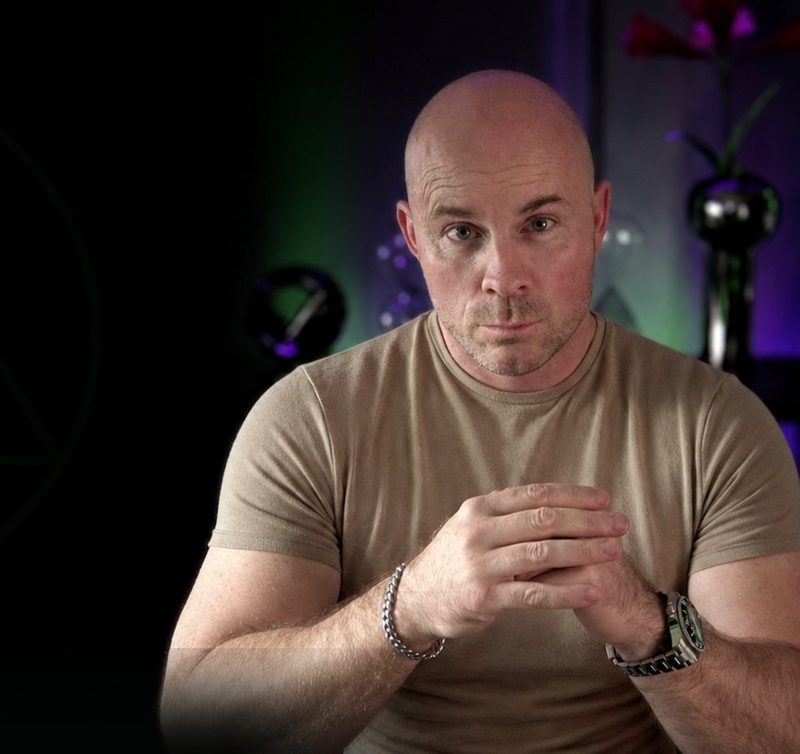
If you’ve tried to talk yourself out of this fear and it hasn’t worked, that isn’t a lack of willpower. A phobia is an alarm your mind learned, and logic alone rarely switches it off.
With fear of doctors, I usually start by working out which part of the visit your mind is really bracing for, whether that is bad news, being judged or a past appointment that went badly. Over Zoom, I use hypnotherapy to help you reach a relaxed, focused state and NLP techniques to soften the memories that keep the alarm switched on. We then run through the whole visit in your mind, from making the call to sitting in the chair and asking your questions, until the familiar dread gives way to a steadier feeling. Many clients find they book the appointment soon after we start, and walk in feeling far more like themselves.
I’ve spent 17 years in clinical practice and helped more than 1,000 people with phobias. I hold a Postgraduate Certificate and a Postgraduate Diploma in Clinical Hypnotherapy, both with Distinction.
Common questions
What is white coat syndrome?
White coat syndrome, or white coat hypertension, is when your blood pressure reads higher at the surgery than it does at home because of nerves. It is common, and doctors may suggest checking your pressure at home or repeating readings later in the visit to get a truer picture.
Is fear of doctors the same as health anxiety?
They often overlap but are not the same. Health anxiety is a constant worry about being ill, while iatrophobia is a fear of doctors and examinations themselves, and some people have both.
How can I make myself go to the doctor when I am scared?
Break it into small steps, such as booking a phone call first, and tell the practice you are anxious. Bring written notes so you do not have to rely on memory, and plan something pleasant for afterwards. If you still cannot go, that is a sign the fear deserves proper help.
Where does it come from?
Often a frightening medical experience, a bad diagnosis in the family, or feeling unheard by a doctor in the past.
How do sessions work?
I use hypnotherapy and NLP to change how your mind responds to doctors. Sessions are one to one over Zoom, and you get a recording of the hypnosis to listen to afterwards.
How many sessions will I need?
Many clients notice a real difference after one 90 minute session. If the fear goes back a long way, three sessions gives us room to make the change stick.
I have an appointment coming up. Can you help in time?
Many clients find one 90 minute session is enough to get through the appointment they’ve been dreading. Let me know the date so we can plan around it.
Further reading: Medical News Today: Iatrophobia · MedStar Health: White coat syndrome and iatrophobia · NHS: Phobias
Ready to start?
A short call is the simplest next step. We’ll talk about your fear, what you’d like to feel instead, and whether I’m the right person to help.
- Take the free test at the top of this page to see how strong your fear is.
- Book a 30 minute call. Use code PHOBIA at checkout for half price: £24.50 instead of £49 ($29.50 outside the UK).
- Start your sessions over Zoom from wherever you live, or face to face in Hertfordshire.
See all session options and prices