
Fear of dolls (pediophobia)
En español: lee sobre este miedo en Fobias.org.
A fear of dolls can show up in toy shops, charity shops, a relative’s spare room or a horror film. The blank eyes and almost human faces are often what unsettle people, and the fear can be helped.
Many people find that with the right help, a doll in a shop or a spare room becomes just an object again.
Use code PHOBIA at checkout for half price: £24.50 instead of £49. Outside the UK? $29.50.
Understanding this fear
Pediophobia is a strong fear of dolls. Plenty of people find an old porcelain doll a bit creepy, but with this fear the reaction is panic, disgust or an urge to get away, even from an ordinary toy. Glassy eyes that seem to follow you, fixed smiles and faces that are almost human are often what set it off. The fear can stretch to puppets, ventriloquist dummies and mannequins.
Psychologists often link it to the uncanny valley, an idea first described by the roboticist Masahiro Mori in the 1970s. It suggests we warm to things as they look more human, until they get very close but not quite right, at which point they feel unsettling. Research reported by Northeastern University suggests children under about nine do not seem to feel this effect, which may help explain why the fear is more often seen in older children and adults. Horror films about dolls also seem to play a part.
Common triggers
- Eyes that open, close or seem to follow you
- Porcelain and antique dolls
- Dolls that talk, cry or move
- Doll characters in horror films and trailers
- Ventriloquist dummies and puppets
- Shop mannequins
- Halloween displays
- A doll sitting in a dark room
Where it shows up
- Toy shops and toy aisles
- Charity and vintage shops
- A relative’s spare room or loft
- Museums of childhood
- Children’s bedrooms and nurseries
- Clothes shops with mannequins
- Fairgrounds and Halloween events
Symptoms
In your body
- A jolt of fear or a racing heart
- Skin crawling or goosebumps
- Shallow, quick breathing
- Light-headedness
- Nausea or a sick, uneasy feeling
- An urge to look away or leave
In your mind
- It is watching me
- It might move when I look away
- Something feels wrong but I cannot say what
- Embarrassment that a toy can scare me
- Images from films replaying in your head
What you might do
- Avoiding toy shops and doll displays
- Turning dolls to face the wall or covering them
- Refusing to stay in rooms with dolls
- Checking that a doll has not moved
- Avoiding horror films and adverts
What causes it
Part of the fear seems to come from how our brains handle faces. We are built to read faces quickly, and something that looks human but never blinks or reacts can cause confusion and unease. A scary film seen at an impressionable age, such as one about a killer doll, can teach a lasting fear through watching and learning. Some people link it to a specific moment, like waking to a doll staring at them as a child or being teased with one. Each time you avoid dolls, the relief tells your brain they really were a threat, so the fear holds on.
How it can affect your life
For some people the fear is easy to sidestep, but for others dolls are hard to escape. Parents may struggle when their child wants dolls, and visits to family homes with doll collections can become tense. Shopping trips past mannequins, museum visits and some jobs, such as childcare or retail, can feel harder. Embarrassment often stops people talking about it, so they cope alone.
Things that can help day to day
- Remind yourself that the unease is a normal brain reaction to near-human faces
- Step back from horror content while you work on the fear
- Practise slow breathing when you spot a doll unexpectedly
- Start small, such as looking at a cartoon drawing of a doll, then a photo of a friendly one
- If you are a parent, stay calm around your child’s toys so the fear is not passed on
When to get help
It is worth getting help if the fear is stopping you visiting places, affecting your sleep or making family life harder. If a child’s fear of dolls is lasting for months or causing a lot of distress, a chat with your GP is a good place to start. Your GP is the first port of call if anxiety is affecting your daily life.
How I can help
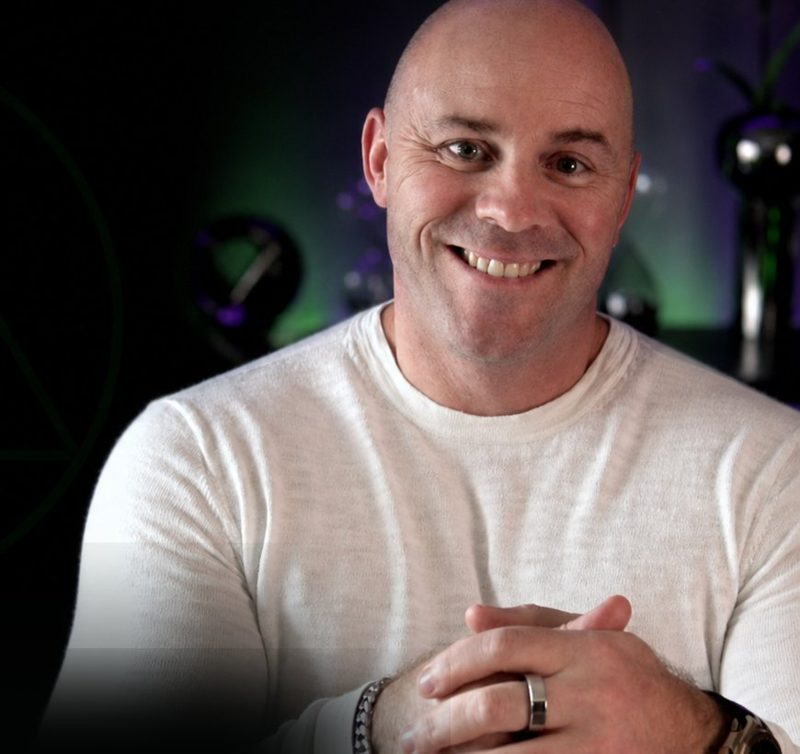
If you’ve tried to talk yourself out of this fear and it hasn’t worked, that isn’t a lack of willpower. A phobia is an alarm your mind learned, and logic alone rarely switches it off.
Over Zoom, I help you pinpoint what it is about dolls that bothers you, whether it is the eyes, the stillness or a scene from a film. Using NLP, we change how that image sits in your mind, making it smaller, duller or simply less charged. In hypnosis, you then rehearse calmly being in a room with a doll, so your body stops reacting before your thinking can catch up. Many clients find they can walk past a toy shop window without a second thought.
I’ve spent 17 years in clinical practice and helped more than 1,000 people with phobias. I hold a Postgraduate Certificate and a Postgraduate Diploma in Clinical Hypnotherapy, both with Distinction.
Common questions
Why do dolls look creepy?
Dolls are close to human but not quite, and that mismatch can unsettle the part of the brain that reads faces. Psychologists call this the uncanny valley. Their fixed stare and lack of reaction add to the feeling.
Is a fear of dolls common?
There are no reliable figures for pediophobia on its own. Many people feel mildly uneasy around dolls, but a true phobia that affects daily life is much less common.
Are puppets and clowns part of the same fear?
They are related. A fear of puppets has its own name, pupaphobia, and a fear of clowns is called coulrophobia. Many people who fear dolls feel uneasy around other human-like figures too.
Why do dolls feel so unsettling?
Dolls look almost human but not quite, and many people find that unnerving. For some it becomes a real fear that affects daily life. It is part of a wider fear of human-like figures, such as mannequins or ventriloquist dummies.
How can you help?
I use hypnotherapy and NLP to change how your mind responds to the thing you fear, so the old alarm stops going off. Sessions are one to one over Zoom, and you get a recording of the hypnosis to listen to afterwards.
How many sessions will I need?
Many clients notice a real difference after one 90 minute session. If the fear goes back a long way, three sessions gives us room to make the change stick.
Further reading: Northeastern University: Why are dolls creepy · University of Turku: Pediophobia and popular toys · NHS: Phobias
Ready to start?
A short call is the simplest next step. We’ll talk about your fear, what you’d like to feel instead, and whether I’m the right person to help.
- Take the free test at the top of this page to see how strong your fear is.
- Book a 30 minute call. Use code PHOBIA at checkout for half price: £24.50 instead of £49 ($29.50 outside the UK).
- Start your sessions over Zoom from wherever you live, or face to face in Hertfordshire.
See all session options and prices