
Fear of double vision (diplophobia)
Diplophobia is a fear of double vision. Someone might worry about their eyesight blurring or doubling, avoid getting tired in case it happens, or feel alarmed at any change in focus. Any real double vision should be checked promptly by a GP or optician, as it can have causes that need attention.
Many people find that with the right help, and after an eye check where needed, the worry about their vision settles.
Use code PHOBIA at checkout for half price: £24.50 instead of £49. Outside the UK? $29.50.
About this phobia
The name comes from the Greek diplous, meaning double. It is rarely reported and appears mostly on lists rather than in clinical writing. It overlaps with health anxiety and with a wider fear of losing one’s sight.
How it shows up
People with diplophobia often have perfectly good eyesight, yet they live with a strong fear that it might suddenly double. They may test their eyes repeatedly by focusing on objects, worry after long screen use or feel alarmed when tired eyes blur at night. Any shift in focus can bring panic and thoughts of serious illness. It differs from sensible care about eyesight because it carries on even after a clear check from an optician.
Common triggers
- Tired or strained eyes
- Long spells on screens
- Driving at night
- Headaches
- Reading small print
- Bright sunlight or glare
- Reading about eye or brain conditions
Where it shows up
- Desks and laptops at work
- Driving home after dark
- Opticians and eye tests
- Reading in bed
- Bright or flashing lights
- Cinemas and 3D films
Symptoms
In your body
- Eye strain and tension
- Racing heart
- Headache
- Dizziness
In your mind
- Fear of losing sight
- Linking small changes to serious illness
- Urge to test vision again and again
- Dread of driving or reading
What you might do
- Testing focus on objects
- Avoiding screens or reading
- Seeking reassurance from others
- Booking repeated eye tests
What may cause it
A past episode of double vision, a relative’s eye or brain condition or reading about serious causes can start the fear. Health anxiety plays a part, making normal tiredness or brief blurring at the end of a long day feel like a warning sign. Checking vision often draws attention to tiny changes that everyone has but rarely notices, which then feeds the worry. There is little research on diplophobia as a phobia in its own right.
How it can affect your life
It can affect work, reading and driving, and make screens a source of tension. Constant checking and worry can leave people tired and on edge. Some cut back on hobbies they enjoy, such as reading, crafts or gaming, in case they strain their eyes.
Related fears
- Fear of blindness (scotomaphobia)
- Health anxiety
- Fear of illness (nosophobia)
Things that can help day to day
- Take regular screen breaks and look into the distance for a short while
- Keep up regular eye tests and trust the results you are given
- Notice the urge to check your vision and put it off for a few minutes
- Use slow breathing when worry rises, as tension can make eyes feel more tired
When to get help
Any real double vision should be checked promptly by a GP or optician, and double vision that comes on suddenly needs urgent medical help. If worry continues after a clear check, a therapist can help with the anxiety.
Explore more unusual fears in the rare phobias A to Z, or browse the common phobias.
About me
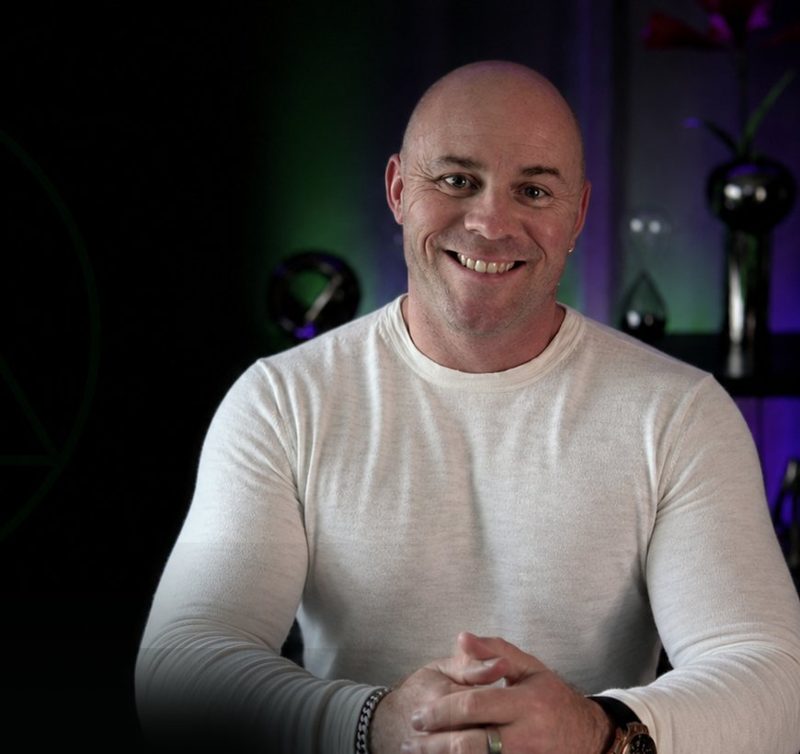
If you’ve tried to talk yourself out of this fear and it hasn’t worked, that isn’t a lack of willpower. A phobia is an alarm your mind learned, and logic alone rarely switches it off.
When a fear is less common, it can be harder to explain, so you may not have told many people about it. I work one to one over Zoom with people whose fears are holding them back, including rarer ones like this, and every plan starts with understanding what your fear is really about.
I’ve spent 17 years in clinical practice and helped more than 1,000 people with phobias. I hold a Postgraduate Certificate and a Postgraduate Diploma in Clinical Hypnotherapy, both with Distinction, and journalists and clients call me the Phobia Guru.
Common questions
Should I worry if I sometimes see double?
Double vision is worth getting checked by a GP or optician, especially if it is new or sudden, rather than worrying about it alone. Once a cause has been ruled out, ongoing fear about it may be more to do with anxiety. That kind of fear can be eased with the right support.
How can you help?
I use hypnotherapy and NLP to change how your mind responds to the thing you fear, so the old alarm stops going off. Sessions are one to one over Zoom, and you get a recording of the hypnosis to listen to afterwards.
How many sessions will I need?
Many clients notice a real difference after one 90 minute session. If the fear goes back a long way, three sessions gives us room to make the change stick.
Further reading: What is health anxiety? Oxford Health NHS Foundation Trust
Ready to start?
A short call is the simplest next step. We’ll talk about your fear, what you’d like to feel instead, and whether I’m the right person to help.
- Take the free test at the top of this page to see how strong your fear is.
- Book a 30 minute call. Use code PHOBIA at checkout for half price: £24.50 instead of £49 ($29.50 outside the UK).
- Start your sessions over Zoom from wherever you live, or face to face in Hertfordshire.
See all session options and prices