
Fear of dreams (oneirophobia)
En español: lee sobre este miedo en Fobias.org.
Oneirophobia is a fear of dreams. Often it grows out of vivid or upsetting dreams, so that going to sleep starts to feel risky. People may stay up late, rely on screens to drift off, or wake feeling unrested.
Many people find that with the right help, they can go to sleep calmly and let dreams come and go.
Use code PHOBIA at checkout for half price: £24.50 instead of £49. Outside the UK? $29.50.
About this phobia
The name comes from the Greek oneiros, meaning dream. It is rare and appears mostly on lists of phobias. It sits close to somniphobia, a fear of sleep, and to worries about nightmares.
How it shows up
Most people have the odd bad dream and forget it by breakfast. With oneirophobia, the fear of what might come in sleep starts to shape the whole evening, with people staying up late, avoiding naps or using screens to fall asleep. Some fear one kind of dream, often a repeating nightmare, while others fear dreams that feel too real or that seem to predict something. The worry can lead to poor sleep, which in turn can make dreams more vivid and easier to remember.
Common triggers
- Bedtime approaching
- Recent vivid dreams
- Talking about dreams
- Horror films before bed
- Stress during the day
- Waking in the night
Where it shows up
- Bedrooms at night
- Unfamiliar beds when travelling
- Times of stress or change
- Naps in the day
- After upsetting news
Symptoms
In your body
- Racing heart at bedtime
- Waking sweaty or shaky
- Tiredness in the day
- Tension
In your mind
- Dread of falling asleep
- Thinking dreams mean something bad
- Unable to shake a dream on waking
What you might do
- Staying up very late
- Sleeping with lights or TV on
- Avoiding naps
- Using screens to drift off
What may cause it
Little research looks at fear of dreams by name, though nightmares and their link to stress are well studied. Upsetting events, ongoing worry and broken sleep can all make dreams more vivid and more frequent. Once bedtime feels unsafe, the body may stay on alert, which can make sleep lighter and dreams easier to recall on waking. Putting off sleep keeps the cycle going, as tiredness adds to stress the next day.
How it can affect your life
Poor sleep can affect mood, focus and health, and make work or school harder. Partners and families may also be disturbed if the person wakes often, keeps lights on or stays up late. Some people start to dread evenings, even when the day has gone well.
Related fears
- Fear of sleep (somniphobia)
- Fear of the dark (nyctophobia)
- Fear of nightmares
- Fear of memories (mnemophobia)
Things that can help day to day
- Keep a calm routine before bed, such as reading or a warm drink without caffeine
- Avoid upsetting films and news late in the evening
- Write down a dream that troubles you during the day and give it a new, gentler ending
- Keep a soft light on if that helps you settle, and remind yourself that dreams cannot hurt you
For practical ways to calm bad dreams, this guide on how to stop nightmares has steps you can try tonight.
When to get help
If nightmares or poor sleep are lasting, or are linked to something upsetting that happened, speak to a GP.
Explore more unusual fears in the rare phobias A to Z, or browse the common phobias.
About me
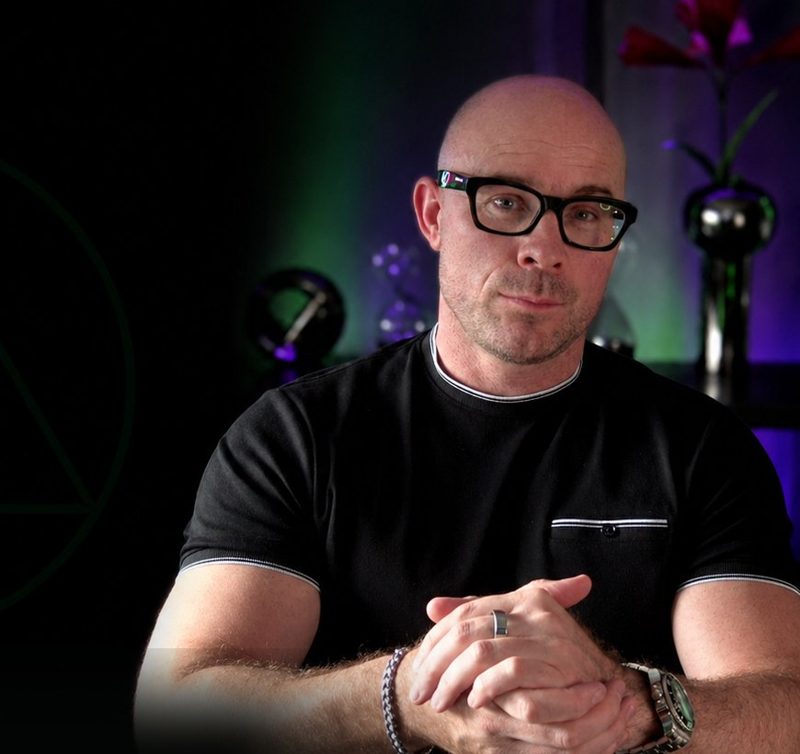
If you’ve tried to talk yourself out of this fear and it hasn’t worked, that isn’t a lack of willpower. A phobia is an alarm your mind learned, and logic alone rarely switches it off.
When a fear is less common, it can be harder to explain, so you may not have told many people about it. I work one to one over Zoom with people whose fears are holding them back, including rarer ones like this, and every plan starts with understanding what your fear is really about.
I’ve spent 17 years in clinical practice and helped more than 1,000 people with phobias. I hold a Postgraduate Certificate and a Postgraduate Diploma in Clinical Hypnotherapy, both with Distinction, and journalists and clients call me the Phobia Guru.
Common questions
Should I worry about frequent nightmares?
Occasional bad dreams are very common. If nightmares are frequent, stop you sleeping or began after a difficult event, a GP can help look at what might be behind them.
How can you help?
I use hypnotherapy and NLP to change how your mind responds to the thing you fear, so the old alarm stops going off. Sessions are one to one over Zoom, and you get a recording of the hypnosis to listen to afterwards.
How many sessions will I need?
Many clients notice a real difference after one 90 minute session. If the fear goes back a long way, three sessions gives us room to make the change stick.
Further reading: Cleveland Clinic: Somniphobia (fear of sleep) · Sleep Foundation: Somniphobia · NHS: Phobias
Ready to start?
A short call is the simplest next step. We’ll talk about your fear, what you’d like to feel instead, and whether I’m the right person to help.
- Take the free test at the top of this page to see how strong your fear is.
- Book a 30 minute call. Use code PHOBIA at checkout for half price: £24.50 instead of £49 ($29.50 outside the UK).
- Start your sessions over Zoom from wherever you live, or face to face in Hertfordshire.
See all session options and prices