
Fear of driving (vehophobia)
En español: lee sobre este miedo en Fobias.org.
A fear of driving can show up on motorways, in traffic, on unfamiliar roads or at roundabouts. It often follows an accident or a panic attack at the wheel, and it can be helped.
Many people find that with the right help, motorways, highways and roundabouts feel manageable, and driving becomes a way to get places again.
Use code PHOBIA at checkout for half price: £24.50 instead of £49. Outside the UK? $29.50.
Understanding this fear
Fear of driving, sometimes called vehophobia, is an intense and lasting fear of getting behind the wheel, and for some people of being a passenger too. It is different from the normal nerves of a new driver or the tension of a busy junction. The dread often starts hours or days before a trip, feels out of proportion to the real risk, and can lead people to cut back on driving or stop altogether. Many people with this fear are experienced, competent drivers who simply cannot convince their body that they are safe.
Driving fear can follow a crash, a near miss or a frightening moment on the road, but research reviews show that many cases begin without any accident at all, most often after a panic attack while driving. Some reviews suggest it is reported more often in women from early adulthood to middle age. It frequently overlaps with other fears, such as panic, feeling trapped in traffic, high bridges, or worry about what other drivers think. Left alone, it rarely fades by itself and can slowly shrink the places a person is willing to go.
Common triggers
- Motorways and fast dual carriageways
- Joining traffic from a slip road
- Changing lanes or overtaking
- Bridges, flyovers and tunnels
- Driving at night or in heavy rain
- Queues where you feel boxed in
- Unfamiliar routes or getting lost
- A passenger commenting on your driving
- Lorries close behind or alongside
- Busy roundabouts and junctions
Where it shows up
- Motorways and smart motorways
- Busy town centres and one-way systems
- Multi-storey car parks with tight ramps
- Winding country lanes with oncoming traffic
- Long bridges and road tunnels
- The spot where a past accident or near miss happened
- School runs and rush-hour traffic
- The passenger seat when someone else is driving
Symptoms
In your body
- Gripping the wheel with sweaty palms
- Racing heart and fast breathing
- Tight chest or a lump in the throat
- Feeling light-headed, confused or unreal
- Shaky legs on the pedals
- Stomach churning before setting off
In your mind
- What if I panic and lose control of the car
- What if I cause a crash and hurt someone
- Fear of being stuck in traffic with no way off
- Worry that other drivers are judging me or getting angry
- Replaying an old accident or near miss
- Doubting your own skills despite years of safe driving
What you might do
- Avoiding motorways and taking long detours
- Only driving short, familiar routes
- Refusing to drive alone or after dark
- Asking others to drive or relying on lifts
- Cancelling plans that involve driving
- Staying in the slow lane and never overtaking
What causes it
For some people the fear starts with a crash, a near miss or a scary moment such as a skid, and the brain links the road with danger. For many others, research suggests the most common starting point is a panic attack at the wheel, after which the fear shifts from the road itself to the fear of panicking again. Watching serious crashes on television, hearing about an accident that happened to someone close, getting lost, or low confidence after a long break from driving can all add to it. Thinking traps play a part too, as people tend to overestimate how frightened they will feel and underestimate how well they can cope. Each avoided trip brings short-term relief, which teaches the brain that driving was a threat, so the fear grows and the comfort zone shrinks.
How it can affect your life
Driving is closely tied to independence, so this fear can quietly take a lot away. People may turn down jobs, miss family events, depend on partners or friends for lifts, or spend far more time and money on public transport. Parents can feel guilty about not managing school runs or days out, and some people feel embarrassed explaining why they no longer drive. After an accident, the fear can come with poor sleep, irritability and nightmares, which affect life well beyond the car.
Things that can help day to day
- Practise slow, steady breathing at home first, so it comes easily when you need it
- Build up gradually on quiet, familiar roads at calm times of day, only within what you can do safely
- Book refresher lessons with a qualified instructor if your confidence has dropped
- Plan routes in advance and leave extra time so you are not rushing
- Go easy on caffeine before driving, as it can add to a racing heart and jitters
When to get help
It is worth getting help if you have stopped driving or are driving much less, if fear is affecting your work or family life, or if you keep reliving an accident through flashbacks or nightmares. Your GP is the right first stop, especially after a crash, as they can check how you are and talk through support. If you ever feel too anxious to drive safely, do not drive until you have had help.
How hypnosis can help with fear of driving
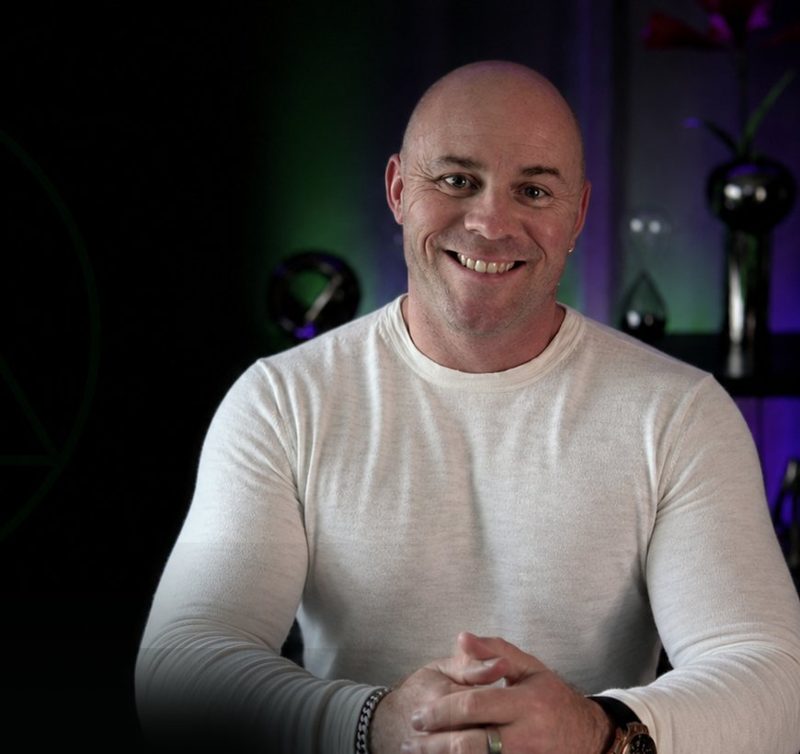
If you’ve tried to talk yourself out of this fear and it hasn’t worked, that isn’t a lack of willpower. A phobia is an alarm your mind learned, and logic alone rarely switches it off.
With driving fears, I start by finding out what sits underneath, whether that is a past crash, the fear of panicking at the wheel, motorways, or worry about being judged by other drivers. Working over Zoom, I use hypnotherapy to help you feel calm and settled, then we rehearse driving in your mind, from sitting in the car to joining the road, so your brain gets used to a calm version before you try it for real. If there is a memory that keeps replaying, NLP techniques can help soften it so it stops setting off the alarm. Many clients find this gives them back a sense of control, which they can then build on with practice on the road at their own pace.
I’ve spent 17 years in clinical practice and helped more than 1,000 people with phobias. I hold a Postgraduate Certificate and a Postgraduate Diploma in Clinical Hypnotherapy, both with Distinction.
Please note: If you have ever felt faint or lost awareness while driving, please see your GP before driving again.
Common questions
What should I do if I have a panic attack while driving?
Pull over as soon as it is safe to do so and stay put until the feelings pass. Slow your breathing and focus on something steady around you. Panic feels awful, but it does peak and settle, usually within minutes.
Is it normal to be scared of driving after an accident?
Yes, it is a very common reaction, and many people feel shaky about driving for a while afterwards. If the fear does not ease over the following weeks, or comes with flashbacks, nightmares or poor sleep, it is worth speaking to your GP.
Can you be afraid of being a passenger rather than the driver?
Yes. Some people are fine driving but feel panicky as a passenger, often because they are not in control of the car. The same approaches that help drivers, such as calming the body and working on the underlying fear, can help passengers too.
Is a fear of driving the same as a fear of being a passenger?
No. A fear of being a passenger is a different pattern, sometimes called amaxophobia, and the two are often confused. Some people have both, others only one, so we start by finding out which it is.
How can you help?
I use hypnotherapy and NLP to change how your mind responds to the thing you fear, so the old alarm stops going off. Sessions are one to one over Zoom, and you get a recording of the hypnosis to listen to afterwards.
How many sessions will I need?
Many clients notice a real difference after one 90 minute session. If the fear goes back a long way, three sessions gives us room to make the change stick.
Further reading: Cleveland Clinic: Amaxophobia (fear of driving) · Healthline: Understanding your fear of driving · Psicologia: Teoria e Pesquisa: VR exposure for driving phobia · NHS: Phobias
Ready to start?
A short call is the simplest next step. We’ll talk about your fear, what you’d like to feel instead, and whether I’m the right person to help.
- Take the free test at the top of this page to see how strong your fear is.
- Book a 30 minute call. Use code PHOBIA at checkout for half price: £24.50 instead of £49 ($29.50 outside the UK).
- Start your sessions over Zoom from wherever you live, or face to face in Hertfordshire.
See all session options and prices