
Fear of dryness (xerophobia)
Xerophobia is a fear of dryness, which might relate to dry places such as deserts, to dry skin or lips, or to a dry mouth. Some people constantly apply creams or sip water, while others avoid hot, dry climates. If you have ongoing dryness of the mouth, eyes or skin, it is worth checking with a GP.
Many people find that with the right help, dry skin, dry air or a hot holiday becomes something they can handle calmly.
Use code PHOBIA at checkout for half price: £24.50 instead of £49. Outside the UK? $29.50.
About this phobia
The name comes from the Greek xeros, meaning dry, also found in the word xerography. It is a rarely reported term mostly seen on phobia lists. The fear may sit alongside health anxiety, particularly worries about thirst or dehydration.
How it shows up
Feeling uncomfortable with dry skin or a dry mouth is common, and most people simply reach for a drink or some lip balm. With xerophobia, dryness brings fear, such as worry about dehydration, cracked skin or being stuck somewhere without water. Some people focus on dry climates and deserts, while others worry about their own body drying out. It differs from ordinary care because it leads to constant checking, applying or drinking just to feel safe.
Common triggers
- Dry mouth or throat
- Cracked lips or skin
- Hot, dry weather
- Air conditioning or central heating
- Long trips without water
- Desert scenes
- Thirst during exercise
Where it shows up
- Planes and trains
- Hot holidays
- Offices with dry air
- Bedrooms at night
- Outdoor events
- Gyms and long walks
Symptoms
In your body
- Dry mouth that anxiety makes worse
- Tight throat
- Racing heart
- Feeling hot
In your mind
- Fear of dehydration
- Constant checking of skin or lips
- Worry about being without water
- Feeling that a drink must always be within reach
What you might do
- Carrying water at all times
- Applying creams often
- Avoiding dry climates
- Sipping water constantly
What may cause it
Xerophobia is rarely studied, but it often fits with health anxiety and its habit of reading normal sensations as warning signs. A past illness, a frightening experience of thirst or a real dryness condition can start the fear. Anxiety itself can also cause a dry mouth. That can feel like proof of danger and keep the worry going.
How it can affect your life
The fear can limit travel and outdoor plans and take up time with checking and routines. It may also disturb sleep if dryness worries come at night. Constant sipping and applying creams can also become habits that are hard to break, even when there is no real need.
Related fears
- Health anxiety
- Fear of heat (thermophobia)
- Fear of illness (nosophobia)
Things that can help day to day
- Keep water nearby without sipping every few minutes
- Use a humidifier if dry indoor air bothers you
- Notice when anxiety, rather than thirst, is causing a dry mouth
- Follow a simple skin care routine and then let it be
When to get help
See a GP about ongoing dryness of the mouth, eyes or skin, or thirst that never seems to go away, as these can have physical causes. If the fear itself is affecting daily life, a GP or therapist can help.
Explore more unusual fears in the rare phobias A to Z, or browse the common phobias.
About me
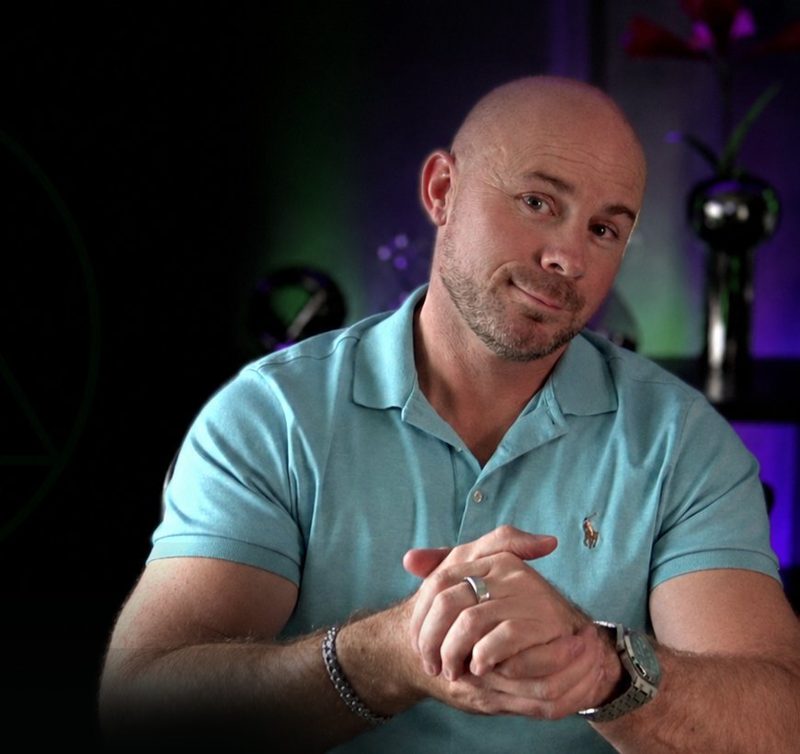
If you’ve tried to talk yourself out of this fear and it hasn’t worked, that isn’t a lack of willpower. A phobia is an alarm your mind learned, and logic alone rarely switches it off.
When a fear is less common, it can be harder to explain, so you may not have told many people about it. I work one to one over Zoom with people whose fears are holding them back, including rarer ones like this, and every plan starts with understanding what your fear is really about.
I’ve spent 17 years in clinical practice and helped more than 1,000 people with phobias. I hold a Postgraduate Certificate and a Postgraduate Diploma in Clinical Hypnotherapy, both with Distinction, and journalists and clients call me the Phobia Guru.
Common questions
Could my worry about dryness have a physical cause?
Sometimes dryness is a sign of a health issue, so it makes sense to have ongoing symptoms checked by a GP. If the checks are clear but the worry continues, the fear itself may be the main problem to address.
How can you help?
I use hypnotherapy and NLP to change how your mind responds to the thing you fear, so the old alarm stops going off. Sessions are one to one over Zoom, and you get a recording of the hypnosis to listen to afterwards.
How many sessions will I need?
Many clients notice a real difference after one 90 minute session. If the fear goes back a long way, three sessions gives us room to make the change stick.
Further reading: NHS: Health anxiety · NHS: Phobias
Ready to start?
A short call is the simplest next step. We’ll talk about your fear, what you’d like to feel instead, and whether I’m the right person to help.
- Take the free test at the top of this page to see how strong your fear is.
- Book a 30 minute call. Use code PHOBIA at checkout for half price: £24.50 instead of £49 ($29.50 outside the UK).
- Start your sessions over Zoom from wherever you live, or face to face in Hertfordshire.
See all session options and prices