
Fear of being watched by a duck (anatidaephobia)
Anatidaephobia is the comic idea that somewhere, somehow, a duck is watching you. In the cartoon version it does not matter where you are or what you are doing, the duck is always there. Real life has no such duck, though plenty of people do feel uneasy at being watched.
Behind the joke, the feeling of being watched is real for some people. Many people find that with the right help, it fades and they can relax.
Use code PHOBIA at checkout for half price: £24.50 instead of £49. Outside the UK? $29.50.
About this phobia
The name comes from Anatidae, the scientific family that includes ducks, geese and swans. It was made famous by Gary Larson’s The Far Side cartoon, so it’s a joke rather than a recognised fear. The genuine fear of being stared at, sometimes called scopophobia, often links to social anxiety.
How it shows up
As a cartoon idea the watching duck is pure fun, and nobody is genuinely kept awake by one. The feeling underneath it, though, is common: a prickly sense of being observed, judged or singled out even when nobody is paying attention. For some people this goes beyond ordinary self-consciousness and becomes a steady background alarm whenever they are out in public. The duck offers a gentle, light hearted way into talking about that, which is no bad thing.
Common triggers
- Feeling eyes on you in a queue
- Eating alone in a cafe
- Ducks or geese gathering close by at a pond
- Walking past groups of people
- Being on camera during a video call
- Speaking up in a meeting or class
Where it shows up
- Parks and ponds
- Buses and trains
- Restaurants and cafes
- Offices and classrooms
- Busy high streets
Symptoms
In your body
- Blushing or feeling hot
- Tight stomach
- Racing heart
- Shaky voice
- Stiff, awkward movements
In your mind
- Feeling watched or judged
- Replaying moments afterwards
- Assuming others notice every slip
What you might do
- Avoiding eye contact
- Choosing seats facing the wall
- Leaving places early
- Keeping the head down while walking
What may cause it
The duck version has no cause, being a joke from Gary Larson’s work. The real fear of being watched is often tied to social anxiety, which can grow from shyness in childhood, embarrassing moments, bullying, or simply a tendency to notice possible threats more strongly than others do. Self focus plays a big part: the more attention a person pays to how they look or sound, the more watched they tend to feel. Avoiding situations brings quick relief but stops the fear from fading.
How it can affect your life
A strong sense of being watched can make ordinary errands, lunch breaks and social plans feel draining. Some people turn down chances at work or in study because the thought of being looked at feels like too much. Others cope but feel worn out after every outing.
Related fears
- Fear of being stared at (scopophobia)
- Social anxiety, sometimes called social phobia
- Fear of birds (ornithophobia)
Things that can help day to day
- Shift your attention outwards by noticing details around you rather than how you look
- Remind yourself that most people are busy with their own thoughts
- Take small steps, such as sitting by a cafe window for ten minutes
- Use a short breathing routine before going into busy places
When to get help
If feeling watched leads you to avoid work, study or seeing people, speak to your GP. Social anxiety responds well to talking therapies, and a hypnotherapist can also help build calm confidence in public.
Explore more unusual fears in the rare phobias A to Z, or browse the common phobias.
About me
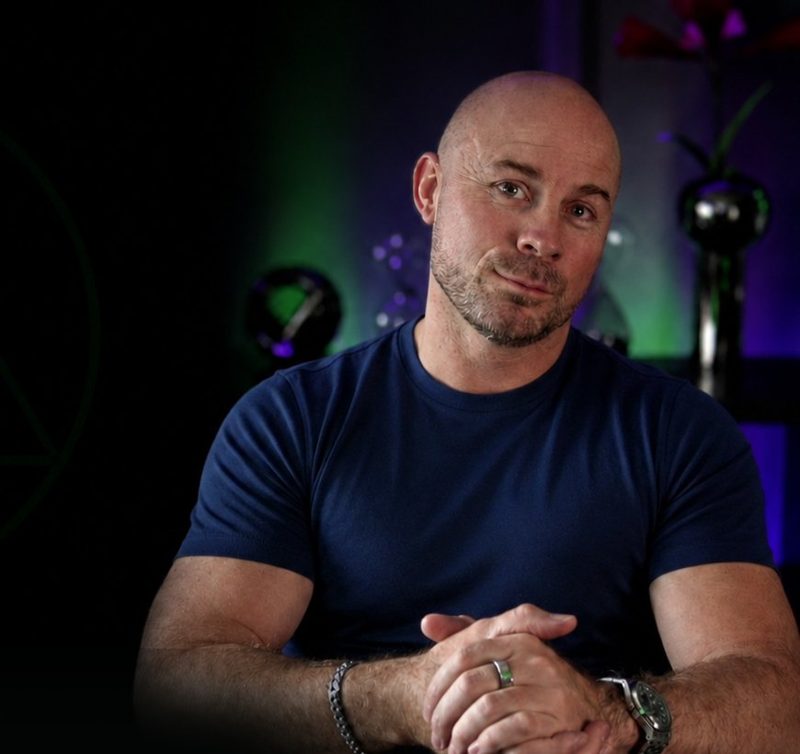
If you’ve tried to talk yourself out of this fear and it hasn’t worked, that isn’t a lack of willpower. A phobia is an alarm your mind learned, and logic alone rarely switches it off.
When a fear is less common, it can be harder to explain, so you may not have told many people about it. I work one to one over Zoom with people whose fears are holding them back, including rarer ones like this, and every plan starts with understanding what your fear is really about.
I’ve spent 17 years in clinical practice and helped more than 1,000 people with phobias. I hold a Postgraduate Certificate and a Postgraduate Diploma in Clinical Hypnotherapy, both with Distinction, and journalists and clients call me the Phobia Guru.
Common questions
Is anatidaephobia a real phobia?
No, it is a joke from a cartoon, and there is no clinical record of anyone fearing being watched by a duck. Some people do have a real fear of birds, or of being observed, and both are genuine fears that can be worked on.
How can you help?
I use hypnotherapy and NLP to change how your mind responds to the thing you fear, so the old alarm stops going off. Sessions are one to one over Zoom, and you get a recording of the hypnosis to listen to afterwards.
How many sessions will I need?
Many clients notice a real difference after one 90 minute session. If the fear goes back a long way, three sessions gives us room to make the change stick.
Further reading: Healthline: Scopophobia · NHS: Social anxiety · NHS: Phobias
Ready to start?
A short call is the simplest next step. We’ll talk about your fear, what you’d like to feel instead, and whether I’m the right person to help.
- Take the free test at the top of this page to see how strong your fear is.
- Book a 30 minute call. Use code PHOBIA at checkout for half price: £24.50 instead of £49 ($29.50 outside the UK).
- Start your sessions over Zoom from wherever you live, or face to face in Hertfordshire.
See all session options and prices