
Fear of dust (amathophobia)
En español: lee sobre este miedo en Fobias.org.
Amathophobia is a fear of dust. It may show up as frequent cleaning, discomfort in older buildings, or worry about breathing dust in. Some people notice the fear is strongest in places like building sites, attics or charity shops.
Many people find that with the right help, a dusty shelf or an old building stops being a source of worry.
Use code PHOBIA at checkout for half price: £24.50 instead of £49. Outside the UK? $29.50.
About this phobia
Both amathophobia and koniophobia are given as names for this fear, and koniophobia comes from the Greek konis, meaning dust. Neither is a widely used clinical term. The fear can overlap with mysophobia, the fear of germs and dirt, and sometimes with health worries about the lungs.
How it shows up
Dust is everywhere, so for people with amathophobia there is rarely a place that feels fully clean. The fear might centre on how dust looks, on the idea of breathing it in, or on what it might carry. Seeing particles floating in a sunbeam or running a finger along a shelf can be enough to set off unease. This goes beyond liking a tidy home, as the worry can lead to hours of cleaning and still not settle.
Common triggers
- Dust visible in sunlight
- Dusty shelves or skirting boards
- Building work or sanding
- Opening old boxes or books
- Emptying a vacuum cleaner
- Sneezing or a tickly throat
- Moving house or clearing out a room
Where it shows up
- Attics, lofts and cellars
- Building sites and renovations
- Charity shops and antique stores
- Libraries and older buildings
- Garages and sheds
Symptoms
In your body
- A tight chest or feeling short of breath
- Coughing or frequent throat clearing
- Itchy or watery eyes
- Racing heart
In your mind
- Worry about breathing in something harmful
- Feeling dirty or contaminated
- Constant awareness of dust
- Doubt that cleaning is ever enough
What you might do
- Dusting and wiping many times a day
- Avoiding older buildings or second hand items
- Covering the nose and mouth in dusty places
- Keeping windows shut
What may cause it
Amathophobia has very little research of its own and is usually understood alongside fears of germs and contamination. Allergies, asthma or a past chest problem can make dust feel genuinely threatening, and worry about the lungs, perhaps fed by news stories about air quality, can add to it. Some people notice the fear grew during a stressful spell, when keeping the home spotless felt like one thing they could control. Cleaning and avoiding bring brief relief, which can make the fear grow over time.
How it can affect your life
Daily life may involve a great deal of cleaning, and some people stop visiting friends or going to older places. It can also make jobs in warehouses, building trades or archives very hard. Relationships can feel strained when others are asked to clean to the same standard.
Related fears
- Fear of germs and dirt (mysophobia)
- Fear of contamination
- Health anxiety
Things that can help day to day
- Set a regular cleaning routine and stick to it rather than cleaning whenever the worry rises
- Remind yourself that everyday household dust is a normal part of life
- Notice whether stress makes the fear stronger
- Open windows when you can to help rooms feel fresher
When to get help
If you have breathing problems, a cough that will not clear or allergy symptoms, see a GP. If cleaning or worry about dust is taking over your day, a GP or therapist can help.
Explore more unusual fears in the rare phobias A to Z, or browse the common phobias.
About me
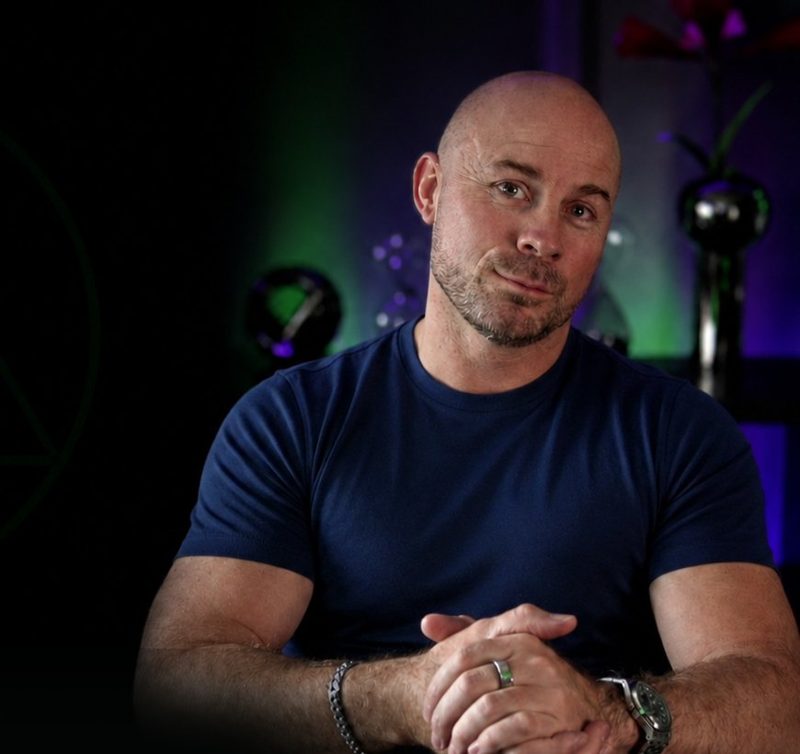
If you’ve tried to talk yourself out of this fear and it hasn’t worked, that isn’t a lack of willpower. A phobia is an alarm your mind learned, and logic alone rarely switches it off.
When a fear is less common, it can be harder to explain, so you may not have told many people about it. I work one to one over Zoom with people whose fears are holding them back, including rarer ones like this, and every plan starts with understanding what your fear is really about.
I’ve spent 17 years in clinical practice and helped more than 1,000 people with phobias. I hold a Postgraduate Certificate and a Postgraduate Diploma in Clinical Hypnotherapy, both with Distinction, and journalists and clients call me the Phobia Guru.
Common questions
Is a fear of dust a sign of OCD?
Not necessarily. Some people with obsessive compulsive disorder do focus on dust or dirt, but a fear of dust can also stand alone. If cleaning takes up a lot of time, or dust causes coughing or breathing problems, a GP can help work out what is going on.
How can you help?
I use hypnotherapy and NLP to change how your mind responds to the thing you fear, so the old alarm stops going off. Sessions are one to one over Zoom, and you get a recording of the hypnosis to listen to afterwards.
How many sessions will I need?
Many clients notice a real difference after one 90 minute session. If the fear goes back a long way, three sessions gives us room to make the change stick.
Further reading: Definition of amathophobia, RxList
Ready to start?
A short call is the simplest next step. We’ll talk about your fear, what you’d like to feel instead, and whether I’m the right person to help.
- Take the free test at the top of this page to see how strong your fear is.
- Book a 30 minute call. Use code PHOBIA at checkout for half price: £24.50 instead of £49 ($29.50 outside the UK).
- Start your sessions over Zoom from wherever you live, or face to face in Hertfordshire.
See all session options and prices