
Fear of earthquakes (seismophobia)
En español: lee sobre este miedo en Fobias.org.
A fear of earthquakes can show up after news footage, a film, a trip abroad or a tremor you once felt. It can bring on worry about buildings, bridges and even a rumbling lorry, and it can be helped.
Many people find that with the right help, news footage or a trip abroad stops setting off the dread about the ground moving.
Use code PHOBIA at checkout for half price: £24.50 instead of £49. Outside the UK? $29.50.
Understanding this fear
Seismophobia is a fear of earthquakes. It can bring on worry about buildings collapsing, bridges failing or the ground suddenly moving, even in places where strong earthquakes are very rare. Most people feel uneasy watching disaster footage, and that is natural. With a phobia the fear keeps returning, a rumble or a shake can set off panic, and it starts to affect where you go and how you sleep.
You do not need to live in an earthquake zone to have this fear. In the UK, the British Geological Survey picks up hundreds of tremors a year, but almost all are far too faint for anyone to feel, and damaging ones are rare. The fear often comes from news footage, films, a tremor felt on holiday or a move to a country where earthquakes are more common. It can also link with other worries, such as a fear of being trapped, of losing control, or a general sense that the world is unsafe.
Common triggers
- News footage of collapsed buildings
- Disaster films
- A lorry rumbling past and rattling the windows
- A floor or bed that seems to move
- Tall buildings swaying in the wind
- Reports of a tremor in the UK
- Planning a trip to a country with earthquakes
- Anniversaries of major disasters
- A dizzy spell that feels like the room moved
Where it shows up
- Upper floors of tall buildings
- Bridges and flyovers
- Underground stations and tunnels
- Holiday destinations in earthquake zones
- Hotel rooms abroad
- Bed at night
- Old buildings with heavy stonework
Symptoms
In your body
- A jolt of fear at any vibration
- Racing heart and fast breathing
- Feeling unsteady or dizzy
- Sweating or feeling hot
- Tense muscles, ready to run
- Poor sleep and waking with a start
In your mind
- Was that an earthquake?
- This building is going to fall
- I will be trapped under rubble
- Picturing disaster scenes over and over
- Feeling that danger could strike at any moment
What you might do
- Checking earthquake apps or news sites
- Ruling out holidays in certain countries
- Only accepting ground floor rooms
- Sleeping near a door or exit
- Avoiding bridges and tall buildings
- Asking others whether they felt something too
What causes it
This fear often starts with something seen or heard about rather than lived through. Vivid news coverage and disaster films give the mind powerful pictures, and the brain reacts to the picture of danger wherever you happen to live. For others it began with a real tremor, perhaps on holiday, or with a move to or from a country where earthquakes are part of life. Because earthquakes cannot be predicted, the mind may try to stay on guard all the time, which is tiring and keeps the alarm switched on. Checking news and apps, avoiding tall buildings and asking for reassurance can feel calming in the moment, but they teach the brain that danger is always close.
How it can affect your life
Seismophobia can limit travel, ruling out holidays or work trips to whole regions of the world. It can make living or working in tall buildings uncomfortable and turn everyday vibrations from traffic or trains into moments of alarm. Sleep is often affected, as night time can feel the most vulnerable. For people who live in or move to an earthquake area, it can make daily life feel tense and unsettled.
Things that can help day to day
- Limit disaster news and switch off alerts you do not need
- When something shakes, pause and look for the everyday cause, such as traffic
- Use slow breathing to settle your body after a jolt
- Before travelling, read the official safety advice once, then put it away
- Keep a note of each scare and what actually turned out to be the cause
When to get help
It is worth getting help if the fear is stopping you travelling, affecting your sleep or bringing on panic. If anxiety is affecting your daily life, your GP is a good first port of call, and they can also check any dizziness you keep noticing. If you lived through an earthquake and have flashbacks, nightmares or feel constantly on edge, please tell your GP, as there is specific help for that.
How I can help
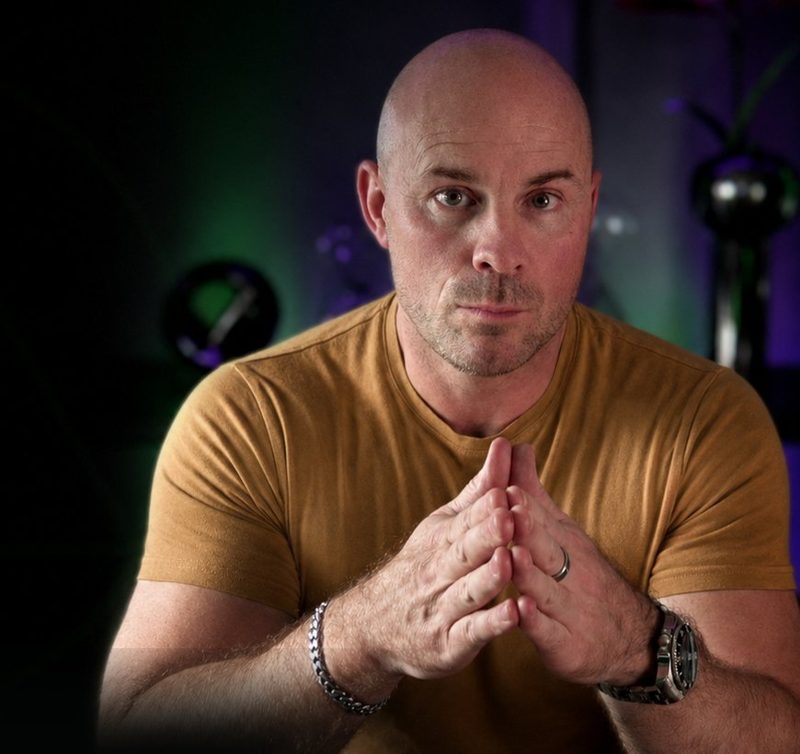
If you’ve tried to talk yourself out of this fear and it hasn’t worked, that isn’t a lack of willpower. A phobia is an alarm your mind learned, and logic alone rarely switches it off.
When I work with a fear of earthquakes, I want to understand where the picture came from, whether that is a news report, a film, a tremor on holiday or something deeper about feeling unsafe. Over Zoom, I use hypnotherapy and NLP to change how your mind responds to those pictures and to the small everyday vibrations that set off the alarm. We rehearse feeling calm in the places that worry you, such as a high floor or a hotel abroad, so your body practises being steady there first. Many clients find they can travel, sleep and hear a passing lorry without the old jolt.
I’ve spent 17 years in clinical practice and helped more than 1,000 people with phobias. I hold a Postgraduate Certificate and a Postgraduate Diploma in Clinical Hypnotherapy, both with Distinction.
Common questions
Can you be afraid of earthquakes if you live in the UK?
Yes. A film, a news report or a tremor felt abroad can be enough to start it, because the mind responds to the image of danger rather than to where you live. The fear is just as real and just as treatable.
Do earthquakes happen in the UK?
They do, but almost all are far too small to be felt. The British Geological Survey records hundreds each year, and only a handful in history have caused real damage.
Why do I think the ground is moving when it is not?
When you are on high alert, your brain is quick to read small sensations, like a passing lorry or a moment of light-headedness, as danger. This is common with anxiety, but if you often feel dizzy, see your GP to check for a physical cause.
Can I fear earthquakes if I live somewhere without them?
Yes. News stories and films can plant the fear, and so can an earthquake felt on holiday. The mind reacts to the picture of danger, wherever you live.
How can you help?
I use hypnotherapy and NLP to change how your mind responds to the thing you fear, so the old alarm stops going off. Sessions are one to one over Zoom, and you get a recording of the hypnosis to listen to afterwards.
How many sessions will I need?
Many clients notice a real difference after one 90 minute session. If the fear goes back a long way, three sessions gives us room to make the change stick.
Further reading: British Geological Survey: Earthquakes · Cal Poly Humboldt, Lori Dengler: Fear of earthquakes · NHS: Phobias · Mind: About phobias
Ready to start?
A short call is the simplest next step. We’ll talk about your fear, what you’d like to feel instead, and whether I’m the right person to help.
- Take the free test at the top of this page to see how strong your fear is.
- Book a 30 minute call. Use code PHOBIA at checkout for half price: £24.50 instead of £49 ($29.50 outside the UK).
- Start your sessions over Zoom from wherever you live, or face to face in Hertfordshire.
See all session options and prices